• Menu
  • Skip to primary navigation
  • Skip to main content
  • Skip to primary sidebar

Country Life In BC Logo

The agricultural news source in British Columbia since 1915

  • Headlines
  • Calendar
  • Subscribe
  • Advertise
  • About
  • Archives
  • Contact
  • Search
  • Cart
  • Checkout
  • Headlines
  • Calendar
  • Subscribe
  • Advertise
  • About
  • Archives
  • Contact
  • Search
  • Cart
  • Checkout

Primary Sidebar

Current Issue:

SEPTEMBER 2026
Vol. 112 Issue 9

Subscribe Now!

Sign up for free weekly FARM NEWS UPDATES

Loading form…

Your information will not be
shared or sold ever

Follow us on Facebook

Comments Box SVG iconsUsed for the like, share, comment, and reaction icons

19 hours ago

... See MoreSee Less

View Comments
  • Likes: 1
  • Shares: 0
  • Comments: 0

Comment on Facebook

1 day ago

Forty-six regions in BC are eligible to participate in the federal livestock tax deferral program, announced yesterday, more than anywhere else in the country. The program allows producers who downsize their breeding herds by 15% to defer reporting the proceeds until the following year, when they buy replacement stock. But after multiple years of drought, the BC beef herd is cruising 25-year lows and some producers are calling for more support to maintain and rebuild their herds. For more, see: [www.countrylifeinbc.com/bc-leads-livestock-tax-deferrals/]

#BCAg
... See MoreSee Less

Forty-six regions in BC are eligible to participate in the federal livestock tax deferral program, announced yesterday, more than anywhere else in the country. The program allows producers who downsize their breeding herds by 15% to defer reporting the proceeds until the following year, when they buy replacement stock. But after multiple years of drought, the BC beef herd is cruising 25-year lows and some producers are calling for more support to maintain and rebuild their herds. For more, see: [https://www.countrylifeinbc.com/bc-leads-livestock-tax-deferrals/]
 
#BCAg
View Comments
  • Likes: 20
  • Shares: 7
  • Comments: 0

Comment on Facebook

5 days ago

After weeks and weeks of no moisture, there's rain in Kelowna today. While much more moisture is needed over the coming weeks and months to reduce drought conditions and the air smells of wet campfire, the slow, steady rain is very welcome for fruit grower#BCAg#BCAg ... See MoreSee Less

After weeks and weeks of no moisture, theres rain in Kelowna today. While much more moisture is needed over the coming weeks and months to reduce drought conditions and the air smells of wet campfire, the slow, steady rain is very welcome for fruit growers. 

#BCAg
View Comments
  • Likes: 7
  • Shares: 0
  • Comments: 0

Comment on Facebook

6 days ago

The first Delta Farmland and Wildlife Trust Grassland Set-aside Variety Trial Field Day was held at Delta's family-owned Tecarte Farms, August 27. Co-owner Bill Bates and DFWT executive director Christine Schmalz welcomed more than 35 people to view seven acres planted to different grassland blends specifically chosen to rejuvenate the soil and support the farm's blueberries. For the Bates family, it was time to try something different following the decline of the field's blueberry bushes over the past several years. "We tried everything, and nothing worked," says Bates. The blueberries were removed in May and the grassland crops planted about a week later.

#BCAg
... See MoreSee Less

The first Delta Farmland and Wildlife Trust Grassland Set-aside Variety Trial Field Day was held at Deltas family-owned Tecarte Farms, August 27. Co-owner Bill Bates and DFWT executive director Christine Schmalz welcomed more than 35 people to view seven acres planted to different grassland blends specifically chosen to rejuvenate the soil and support the farms blueberries. For the Bates family, it was time to try something different following the decline of the fields blueberry bushes over the past several years. We tried everything, and nothing worked, says Bates. The blueberries were removed in May and the grassland crops planted about a week later.

#BCAgImage attachmentImage attachment
View Comments
  • Likes: 17
  • Shares: 1
  • Comments: 0

Comment on Facebook

6 days ago

Bessette Creek is the latest watershed hit with a temporary fish protection order this year as the province moves to protect returning Chinook salmon. A total of 131 surface and groundwater users must cease drawing water immediately, with forage producers, greenhouses and nurseries impacted. "Declining flows in Bessette Creek reached record lows in early July 2026 and have remained below the minimum level required to support fish population survival," says the province. Bessette producers have embraced voluntary cutbacks, scheduled irrigation and other measures to reduce water use, and are also waiting on funding to boost water storage infrastructure. They're the second group of producers hit with a provincial order this year. Salmon River irrigators were told to top watering earlier this month following a reprieve to address wildfire risk. Growers in both the Salmon River and Bessette watersheds are urging the province to support new water storage infrastructure in advance of next year.

#BCAg
... See MoreSee Less

Bessette Creek is the latest watershed hit with a temporary fish protection order this year as the province moves to protect returning Chinook salmon. A total of 131 surface and groundwater users must cease drawing water immediately, with forage producers, greenhouses and nurseries impacted. Declining flows in Bessette Creek reached record lows in early July 2026 and have remained below the minimum level required to support fish population survival, says the province. Bessette producers have embraced voluntary cutbacks, scheduled irrigation and other measures to reduce water use, and are also waiting on funding to boost water storage infrastructure. Theyre the second group of producers hit with a provincial order this year. Salmon River irrigators were told to top watering earlier this month following a reprieve to address wildfire risk. Growers in both the Salmon River and Bessette watersheds are urging the province to support new water storage infrastructure in advance of next year.

#BCAg
View Comments
  • Likes: 7
  • Shares: 1
  • Comments: 3

Comment on Facebook

There is a problem... having lived in the salmon river ( silver creek ) area, I remember a fish biologist telling family members that salmon only "survive" in high iron content creeks, they do not "thrive".... salmon river ( silver creek ) is a very high iron content, would stain clothes brown when i would use bleach... So don't expect high salmon numbers off of that creek , even in ideal situations...

I just wish they would take an interest in CHASE CREEK....went bone dry...100% of trout abd other species died...smell was terrible from rotting fish. Understand this has happened many times in the past. Chase Irrigation District totally responsible for this disaster. Now fishermen are complaining about major drop in water levels at Pillar Lake.

They could not mismanage things worse than they have. It's impossible for them to. The fact that farmers that we need for our animals are now suffering the consequences our governments have not protected us from, is absolutely fucking wild.

Subscribe | Advertise

The agricultural news source in British Columbia since 1915
  • Email
  • Facebook

Dry fall, wet winter ahead

October 12, 2022 byPeter Mitham

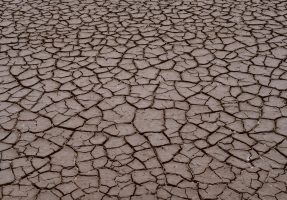
A long, dry fall may be just what many growers caught out by the late spring wanted, but the warm, sunny weather prompted provincial authorities to raise the drought rating in many parts of the province to the highest level last week.

The Lower Mainland, Sunshine Coast and Western Vancouver Island are all now at Level 5 drought, which means adverse impacts are “almost certain.”

A further seven regions are at Level 4, when adverse impacts are likely. These regions include eastern Vancouver Island, the Kettle and three basins in the Peace as well as Fort Nelson.

It’s a marked shift from a year ago, when October was well on its way to logging what proved to be twice the usual amount of rain for the month.

While last year’s rainfall replenished groundwater in many regions, the absence of rain this fall has raised fears that plants will be less prepared for the onset of colder temperatures.

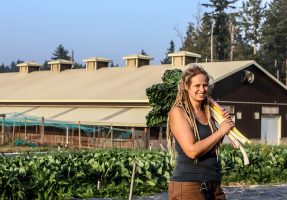
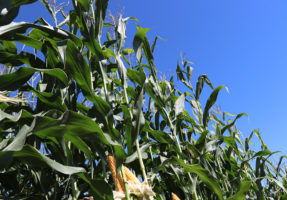
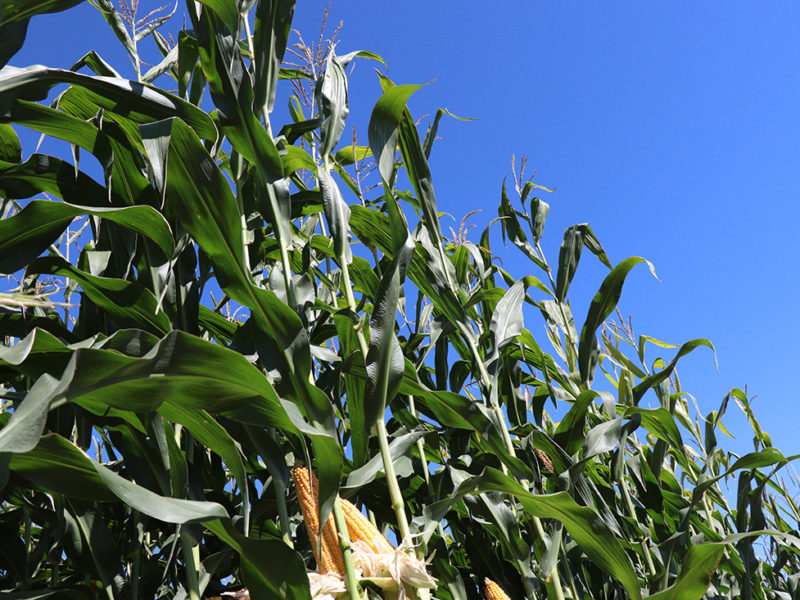
Alexis Arthur of Pacific Forage Bag Supply in Delta says dry weather is what many forage corn growers dreamed of. Some planted as late as July 14, which in a normal season would mean an incredibly short window for maturing the crop.

This year, growers who went with the flow and allowed their crops to mature in the hopes of a dry autumn have been repaid handsomely.

“Corn that wouldn’t be as tall as it was, was,” she says.

But the long season comes with a cost.

“There’s always some form of payment,” Arthur says. “Many who are putting in cover crops, because they realize they have the opportunity to, because they may need more tonnage based on what’s been happening over the last couple of seasons … it’s very dry.”

But the weather has its own cycles, even if those cycles are becoming more extreme and variable, and Arthur says the rains will come. It’s just a question of when, and with what intensity.

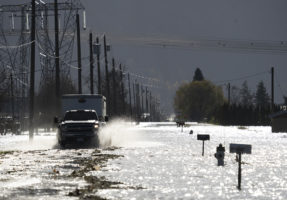
“The wet’s coming; it’s just how much will come and in how short a time,” she says.

She expects everything will be filled up by next spring, but depending on how the rain arrives, some farmers could find half their fields flooded.

Current forecasts call for relatively dry weather through next week, with the 90-day outlook calling for the firs half of winter to be wetter than average.

All content on this website is copyrighted, and cannot be republished or reproduced without permission.
Related Posts

You may be interested in these posts from the same category.

Cattle

BC leads livestock tax deferrals

BC ranchers brace for wildfires

Vernon growers address drought

BC Cattlemen’s urges water storage

Cattle

Regions selected for livestock tax deferral

A dry season continues

Snowpack sends mixed signals

Senate flood report released

Drought fears washed away

Wireworms require vigilance

Ranchers face rangeland losses

Wildfire state of emergency ends

Previous Post: « Abattoir closure leaves producers scrambling
Next Post: New child worker rules »

© 2026 COUNTRY LIFE IN BC - ALL RIGHTS RESERVED