• Menu
  • Skip to primary navigation
  • Skip to main content
  • Skip to primary sidebar

Country Life In BC Logo

The agricultural news source in British Columbia since 1915

  • Headlines
  • Calendar
  • Subscribe
  • Advertise
  • About
  • Archives
  • Contact
  • Search
  • Cart
  • Checkout
  • Headlines
  • Calendar
  • Subscribe
  • Advertise
  • About
  • Archives
  • Contact
  • Search
  • Cart
  • Checkout

Primary Sidebar

Current Issue:

SEPTEMBER 2026
Vol. 112 Issue 9

Subscribe Now!

Sign up for free weekly FARM NEWS UPDATES

Loading form…

Your information will not be
shared or sold ever

Follow us on Facebook

Comments Box SVG iconsUsed for the like, share, comment, and reaction icons

1 hour ago

... See MoreSee Less

View Comments
  • Likes: 1
  • Shares: 0
  • Comments: 0

Comment on Facebook

7 hours ago

Forty-six regions in BC are eligible to participate in the federal livestock tax deferral program, announced yesterday, more than anywhere else in the country. The program allows producers who downsize their breeding herds by 15% to defer reporting the proceeds until the following year, when they buy replacement stock. But after multiple years of drought, the BC beef herd is cruising 25-year lows and some producers are calling for more support to maintain and rebuild their herds. For more, see: [www.countrylifeinbc.com/bc-leads-livestock-tax-deferrals/]

#BCAg
... See MoreSee Less

Forty-six regions in BC are eligible to participate in the federal livestock tax deferral program, announced yesterday, more than anywhere else in the country. The program allows producers who downsize their breeding herds by 15% to defer reporting the proceeds until the following year, when they buy replacement stock. But after multiple years of drought, the BC beef herd is cruising 25-year lows and some producers are calling for more support to maintain and rebuild their herds. For more, see: [https://www.countrylifeinbc.com/bc-leads-livestock-tax-deferrals/]
 
#BCAg
View Comments
  • Likes: 17
  • Shares: 5
  • Comments: 0

Comment on Facebook

4 days ago

After weeks and weeks of no moisture, there's rain in Kelowna today. While much more moisture is needed over the coming weeks and months to reduce drought conditions and the air smells of wet campfire, the slow, steady rain is very welcome for fruit grower#BCAg#BCAg ... See MoreSee Less

After weeks and weeks of no moisture, theres rain in Kelowna today. While much more moisture is needed over the coming weeks and months to reduce drought conditions and the air smells of wet campfire, the slow, steady rain is very welcome for fruit growers. 

#BCAg
View Comments
  • Likes: 7
  • Shares: 0
  • Comments: 0

Comment on Facebook

5 days ago

The first Delta Farmland and Wildlife Trust Grassland Set-aside Variety Trial Field Day was held at Delta's family-owned Tecarte Farms, August 27. Co-owner Bill Bates and DFWT executive director Christine Schmalz welcomed more than 35 people to view seven acres planted to different grassland blends specifically chosen to rejuvenate the soil and support the farm's blueberries. For the Bates family, it was time to try something different following the decline of the field's blueberry bushes over the past several years. "We tried everything, and nothing worked," says Bates. The blueberries were removed in May and the grassland crops planted about a week later.

#BCAg
... See MoreSee Less

The first Delta Farmland and Wildlife Trust Grassland Set-aside Variety Trial Field Day was held at Deltas family-owned Tecarte Farms, August 27. Co-owner Bill Bates and DFWT executive director Christine Schmalz welcomed more than 35 people to view seven acres planted to different grassland blends specifically chosen to rejuvenate the soil and support the farms blueberries. For the Bates family, it was time to try something different following the decline of the fields blueberry bushes over the past several years. We tried everything, and nothing worked, says Bates. The blueberries were removed in May and the grassland crops planted about a week later.

#BCAgImage attachmentImage attachment
View Comments
  • Likes: 17
  • Shares: 1
  • Comments: 0

Comment on Facebook

5 days ago

Bessette Creek is the latest watershed hit with a temporary fish protection order this year as the province moves to protect returning Chinook salmon. A total of 131 surface and groundwater users must cease drawing water immediately, with forage producers, greenhouses and nurseries impacted. "Declining flows in Bessette Creek reached record lows in early July 2026 and have remained below the minimum level required to support fish population survival," says the province. Bessette producers have embraced voluntary cutbacks, scheduled irrigation and other measures to reduce water use, and are also waiting on funding to boost water storage infrastructure. They're the second group of producers hit with a provincial order this year. Salmon River irrigators were told to top watering earlier this month following a reprieve to address wildfire risk. Growers in both the Salmon River and Bessette watersheds are urging the province to support new water storage infrastructure in advance of next year.

#BCAg
... See MoreSee Less

Bessette Creek is the latest watershed hit with a temporary fish protection order this year as the province moves to protect returning Chinook salmon. A total of 131 surface and groundwater users must cease drawing water immediately, with forage producers, greenhouses and nurseries impacted. Declining flows in Bessette Creek reached record lows in early July 2026 and have remained below the minimum level required to support fish population survival, says the province. Bessette producers have embraced voluntary cutbacks, scheduled irrigation and other measures to reduce water use, and are also waiting on funding to boost water storage infrastructure. Theyre the second group of producers hit with a provincial order this year. Salmon River irrigators were told to top watering earlier this month following a reprieve to address wildfire risk. Growers in both the Salmon River and Bessette watersheds are urging the province to support new water storage infrastructure in advance of next year.

#BCAg
View Comments
  • Likes: 7
  • Shares: 1
  • Comments: 3

Comment on Facebook

There is a problem... having lived in the salmon river ( silver creek ) area, I remember a fish biologist telling family members that salmon only "survive" in high iron content creeks, they do not "thrive".... salmon river ( silver creek ) is a very high iron content, would stain clothes brown when i would use bleach... So don't expect high salmon numbers off of that creek , even in ideal situations...

I just wish they would take an interest in CHASE CREEK....went bone dry...100% of trout abd other species died...smell was terrible from rotting fish. Understand this has happened many times in the past. Chase Irrigation District totally responsible for this disaster. Now fishermen are complaining about major drop in water levels at Pillar Lake.

They could not mismanage things worse than they have. It's impossible for them to. The fact that farmers that we need for our animals are now suffering the consequences our governments have not protected us from, is absolutely fucking wild.

Subscribe | Advertise

The agricultural news source in British Columbia since 1915
  • Email
  • Facebook

AI risk rises with fall

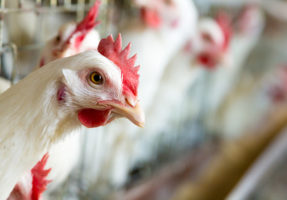
Three farms in Abbotsford and Chilliwack have been hit with highly pathogenic H5N1 avian influenza. The affected farms include turkey, broiler, and egg operations. File

September 13, 2023 byPeter Mitham

The detection of highly pathogenic H5N1 avian influenza at a commercial poultry operation in the County of Warner, Alberta, on the Montana border is a grim reminder that the disease remains a going concern despite a period of relative calm since last winter.

BC reported its last case in April, with spring migrations not unleashing a new wave of cases despite fears expressed at the BC Poultry Conference in March.

While the lack of cases is good news following a harrowing fall last year that ultimately saw nearly 3.7 million birds affected, the recent report from Alberta is a reminder to producers to maintain strong biosecurity protocols.

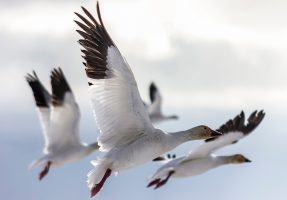
“The persistence of the virus in wildlife and recurrence of outbreaks globally, presents additional risks during the migratory bird season in North America later in 2023,” the National Collaborating Centre for Environmental Health in Vancouver advised in July.

It noted that the ongoing avian influenza outbreak, which began in late 2021, was persistent, “showing unprecedented spread through wild birds, poultry, and mammals in Canada and internationally.”

The persistence of the disease, and the ability of the virus to reassert, was particularly concerning.

“This suggests persistence of the virus among wild populations, and a need for continued vigilance among poultry and egg farmers,” the centre noted.

According to the Canadian Food Inspection Agency, the latest case in Alberta is the first reported in Canada since May. A primary control zone has yet to be established around the farm.


All content on this website is copyrighted, and cannot be republished or reproduced without permission.
Related Posts

You may be interested in these posts from the same category.

Avian influenza returns

Province funds avian flu upgrades

Red biosecurity remains for poultry

Vet urges dairies to be vigilant against HPAI

Avian flu response keeping pace

Bird flu returns

AI hit chick placement

Avian influenza grows

Federal funding for AI response

Avian influenza returns

BC’s chief veterinarian highlights key animal diseases

AI response in spotlight

Previous Post: « SAWP points to reforms
Next Post: Cherry promotion promising »

© 2026 COUNTRY LIFE IN BC - ALL RIGHTS RESERVED