
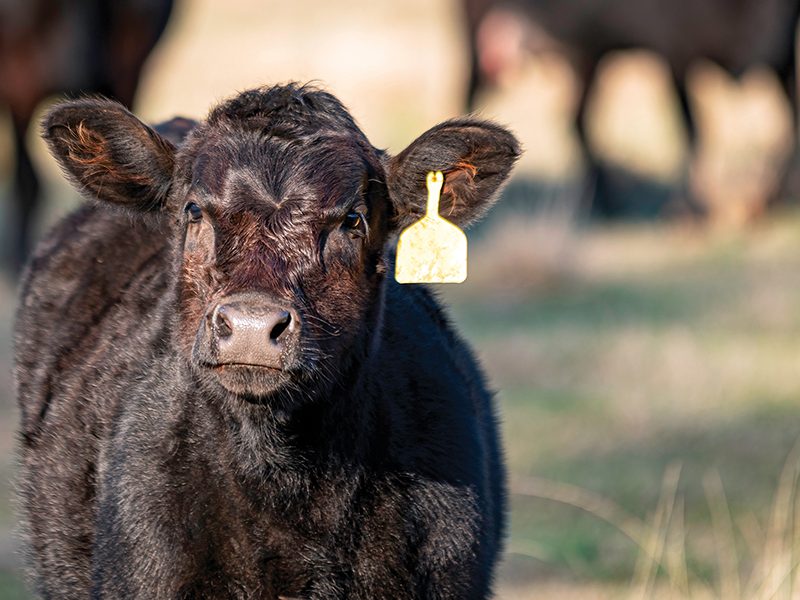
A new national code of practice for beef producers is open for public comment.
“The public comment period is an important opportunity for producers across Canada to review the draft code and provide feedback on how it applies to their operations,” Canadian Cattle Association president Tyler Fulton said in a statement announcing the draft code. “Producer perspectives from across the country help ensure the code reflects the diversity of Canadian beef production systems and remains practical for producers who raise cattle.”
BC Cattlemen’s Association is encouraging all BC producers to weigh in during the 60-day comment period that ends June 12.
The existing code was adopted in 2013 and is reviewed every five years.
Developed by the National Farm Animal Care Council (NFACC) and CCA, the new draft code is informed by a peer-reviewed scientific committee report. BC producer Andrea van Iterson served on the development committee.
Priority issues addressed in the proposed code include pain management during painful procedures such as castration and branding; weaning; various health issues throughout the life cycle, including nutrition and lameness; and end-of-life management, including euthanasia.
Though beyond the scope of the review process, the scientific committee’s report highlighted the importance of factors such as climate, extreme weather, stockmanship and low-stress handling, housing conditions and record-keeping for disease management.
Proposed changes mandate greater monitoring of cattle and prompt action to mitigate adverse effects from weather, illness or other health issues.
A final code is expected to be implemented next year. Further information on the code and development process is available at [www.nfacc.ca/codes-of-practice/beef-cattle].
The beef code of practice is one of five currently being revised. The others relate to poultry, horses, pigs and sheep. All are expected to be completed next year, except the code for pigs, which is scheduled for completion in 2028.
All content on this website is copyrighted, and cannot be republished or reproduced without permission.



 Maple Ridge farm fined for raw milk sales