• Menu
  • Skip to primary navigation
  • Skip to main content
  • Skip to primary sidebar

Country Life In BC Logo

The agricultural news source in British Columbia since 1915

  • Headlines
  • Calendar
  • Subscribe
  • Advertise
  • About
  • Archives
  • Contact
  • Search
  • Headlines
  • Calendar
  • Subscribe
  • Advertise
  • About
  • Archives
  • Contact
  • Search

Primary Sidebar

Originally published:

OCTOBER 2021
Vol. 107 Issue 10

Subscribe Now!

Sign up for free weekly FARM NEWS UPDATES

Loading form…

Your information will not be
shared or sold ever

Stories In This Edition

Feeling the heat on water

Good grapes

Province funds hazelnuts

Farmers left in lurch by risk-averse insurers

Fresh marketing

Editorial: A familiar problem

Back 40: Climate change action depends on political will

Viewpoint: UN Food Systems Summit sets an ambiguous agenda

Province falls short on dam safety oversight

All the elements

Orchard industry awaits government report

Sidebar: Competitiveness fund on hold

Ag Briefs: Collins wins gold for food security column

Ag Briefs: Agrologist and sector champion dies

Ag Briefs: Kelowna approves land exclusion

Ag Briefs: BC on watch for hornets

Province begins wildfire recovery payments

Beef sector sees strong demand

Thanks for the support

BC-bred females sell well in fall production sale

Sheep producers monitoring for bluetongue

Columbia River Treaty impacts reviewed

Summer weather takes toll on OK fruit

Cheesemakers felt the heat this summer

Housing rules continue to challenge farmers

National plant health lab gets new director

All’s gourd – pumpkins not squashed by heat

Female ranchers excited for mentorship opportunities

Island project establishes baseline for bugs

Show me the money!

Corn trial provides options for changing climate

High heat, low pest pressure test corn plantings

Research: Breeding a better, more nutritious apple

4-H BC: 4-H event helps develop future community leaders

Farm Story: Carrots offer a peaceful break

Plow match perseveres despite pandemic

Woodshed: There’s more than truck trouble with Delta Faye

Mesh covers control vegetable pests

Jude’s Kitchen: Fall weather calls for cool comfort food

All content on this website is copyrighted, and cannot be republished or reproduced without permission.
More Headlines

Follow us on Facebook

Comments Box SVG iconsUsed for the like, share, comment, and reaction icons

3 weeks ago

Canada's mushroom growers will have to post countervailing duties next week following a US Department of Commerce determination that Canada's tax regime effectively subsidized growers, allowing them to cause "material injury" to US growers through their exports. Canada is a major exporter of mushrooms to the US, with the countries effectively operating as a single value chain thanks in part to one of the largest mushroom producers, South Mill Champs, headquartered in Pennsylvania.

#BCAg
... See MoreSee Less

Canadas mushroom growers will have to post countervailing duties next week following a US Department of Commerce determination that Canadas tax regime effectively subsidized growers, allowing them to cause material injury to US growers through their exports. Canada is a major exporter of mushrooms to the US, with the countries effectively operating as a single value chain thanks in part to one of the largest mushroom producers, South Mill Champs, headquartered in Pennsylvania.

#BCAg
View Comments
  • Likes: 2
  • Shares: 2
  • Comments: 0

Comment on Facebook

3 weeks ago

... See MoreSee Less

View Comments
  • Likes: 6
  • Shares: 0
  • Comments: 0

Comment on Facebook

3 weeks ago

The Jura Ranch near Princeton sold for nearly $5.3 million on May 12, the largest online ranch sale in BC in months, according to CLHBid.com, which handled the sale. The buyer was not named. Formerly owned by Rob and Kelly Lamoureux, which developed the successful Jura Grassfed brand, the ranch includes 2,625 deeded acres and a grazing licence totalling 83,698 acres. Originally offered at $4.2 million, the competitive bidding process delivered a higher value than the current market would suggest. Farm Credit Canada’s latest farmland value survey pointed to 1.7% decline in BC last year, which observers have attributed to tight margins and uncertainties related to Crown tenure.

#BCAg
... See MoreSee Less

The Jura Ranch near Princeton sold for nearly $5.3 million on May 12, the largest online ranch sale in BC in months, according to CLHBid.com, which handled the sale. The buyer was not named. Formerly owned by Rob and Kelly Lamoureux, which developed the successful Jura Grassfed brand, the ranch includes 2,625 deeded acres and a grazing licence totalling 83,698 acres. Originally offered at $4.2 million, the competitive bidding process delivered a higher value than the current market would suggest. Farm Credit Canada’s latest farmland value survey pointed to 1.7% decline in BC last year, which observers have attributed to tight margins and uncertainties related to Crown tenure.

#BCAg
View Comments
  • Likes: 41
  • Shares: 10
  • Comments: 4

Comment on Facebook

I sure hope it remains as farm land rather than a wind or solar installation.

Great grassland

yeah, who bought it? where are the checks and balances that ensure a ranch can continue being a ranch?

Uncertainty about crown land, aka native land grabs and unceded land claims being tossed around like it wasn't meant to destabilize the country?

3 weeks ago

American businessmen have quietly accumulated nearly 4,000 acres of farmland in the Robson Valley community of Dunster, sparking calls for restrictions on foreign and corporate agricultural land ownership in BC. Residents say the buy-up has driven population decline and priced out young farmers. MLAs from both parties and a UNBC professor are pointing to Quebec's new farmland protection legislation as a model BC should follo#BCAg#BCAg ... See MoreSee Less

Link thumbnail

Foreign land buyers hollow out Dunster

www.countrylifeinbc.com

DUNSTER – Purchases of swathes of farmland in the Robson Valley by wealthy American businessmen have some in BC demanding restrictions on foreign and corporate ownership of agricultural land.
View Comments
  • Likes: 28
  • Shares: 7
  • Comments: 2

Comment on Facebook

Are they using them for AI data centres?

This is a serious issue in Dunster and one that has impacts for wildlife and human neighbours.

3 weeks ago

Representatives from Quail's Gate Winery Estate Winery in West Kelowna were panellists during the Okanagan Cultivates event held at Okanagan College's Kelowna campus on May 7. The college has been hosting events like this to help elevate conversations in the community about what's grown locally and its impact on the region's food, wine and tourism industry. The Quail's Gate panel, which included Ben Stewart, discussed the long history of grape growing and winemaking in front of a large crowd who came to listen, learn and taste products from a number of local wineries and restaurants. A new $48.8M food, wine and tourism centre is now under construction at the college to open in fall 2027. The building will have modern food labs, a student-led restaurant and café and specialized training spaces for culinary, viticultu#BCAgd tourism studies.

#BCAg
... See MoreSee Less

Representatives from Quails Gate Winery Estate Winery in West Kelowna were panellists during the Okanagan Cultivates event held at Okanagan Colleges Kelowna campus on May 7. The college has been hosting events like this to help elevate conversations in the community about whats grown locally and its impact on the regions food, wine and tourism industry. The Quails Gate panel, which included Ben Stewart, discussed the long history of grape growing and winemaking in front of a large crowd who came to listen, learn and taste products from a number of local wineries and restaurants. A new $48.8M food, wine and tourism centre is now under construction at the college to open in fall 2027. The building will have modern food labs, a student-led restaurant and café and specialized training spaces for culinary, viticulture and tourism studies.

#BCAg
View Comments
  • Likes: 8
  • Shares: 0
  • Comments: 0

Comment on Facebook

Subscribe | Advertise

The agricultural news source in British Columbia since 1915
  • Email
  • Facebook

Feeling the heat on water

Groundwater licensing extension remains unlikely

October 1, 2021 byPeter Mitham

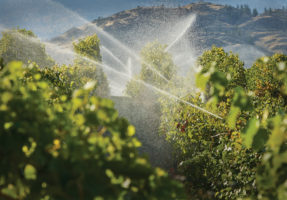
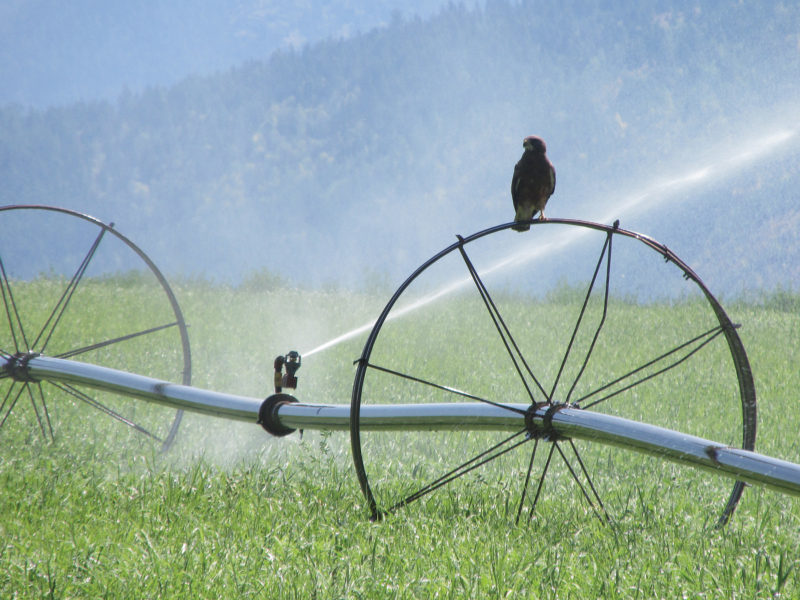
DUNCAN – The province is facing pushback over its water management strategy following four fish protection orders this summer, a management tool that runs counter to its troubled groundwater licensing initiative.

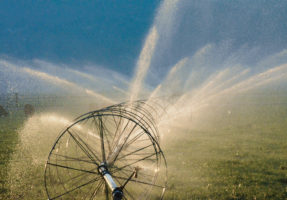
Two years ago, agricultural irrigators in the Kokilah River watershed became the first to have water access curtailed under Section 88 of the Water Sustainability Act, which also introduced a first-in-time, first-in-right licensing regime.

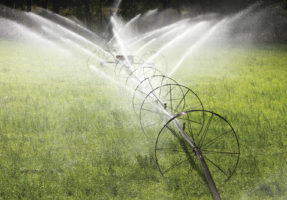
This summer, farmers in the Koksilah and three other watersheds – the Bessette, West Kettle and Salmon – saw protection orders issued with little notice, effectively cutting them off overnight from water extractions through September 30 (access was restored in the Bessette Creek watershed September 8). Violators faced the prospect of a million-dollar fine or up to a year in jail for breaching the orders.

But many are criticizing the government for going against the spirit of its own laws.

“The WSA is fundamentally a first-in-time, first-in-right act,” says Mike Wei, the province’s former deputy comptroller of water rights who now works as an independent consultant. “When you do a Section 88 fish protection order, you’re always cherry-picking, which takes a lot of staff time and politics. … They try to pick the politically least-impactful users.”

But in the case of livestock producers, the production impacts are significant even if the political impacts aren’t.

Cowichan dairy farmers voluntarily developed an irrigation schedule in order to maintain water access in the Koksilah watershed this summer but still found themselves cut off in mid-August.

“A fish protection order was still issued despite their best efforts, impacting forage production in an already challenging season,” says BC Dairy Association executive director Jeremy Dunn. “BC Dairy has made the case to government that long-term solutions are urgently needed to maintain critical water supply for agriculture and conservation.”

But that’s exactly what the Water Sustainability Act is meant to do. By arbitrarily cutting off the very users they’re trying to sign onto a system based on seniority, the province is effectively undermining confidence in the system.

“You can’t just rely on this one tool when the act is fundamentally based on a seniority system,” says Wei. “They probably do it because they don’t have everybody in the licensing fold yet. … Once the deadline’s over and they get a better handle on it, they can’t keep relying on Section 88. That’s just not fair.”

Wei coauthored a report earlier this year on the province’s challenges implementing its groundwater licensing regime for the Partnership for Water Sustainability in BC. He says the partnership will be briefing government this fall on its concerns.

As of August 31, the province had received just 4,164 licence applications for existing wells. This is up from approximately 4,000 a year ago, despite the province announcing that no further extensions to the application deadline for existing users – set at February 28, 2022 – passes.

The province has been trying to register and license upwards of 20,000 wells since 2016, but has issued little more than 1,200 licences.

BC Ministry of Forests, Lands, Natural Resource Operations and Rural Development received an extra $11 million in this year’s provincial budget to support the activities of its regional offices, which are on the front lines of the licensing process, but competing priorities mean results to date have been scant.

It’s not just growers who are affected. Retail and hospitality ventures are also vulnerable, endangering a broad cross-section of rural businesses.

In addition, the province says access to dugouts will also be cut off, though it has paused consultations with ranchers regarding a new livestock watering regulation.

The slow pace of licensing concerns the BC Cattlemen’s Association, which has noted a subtle shift in tone with respect to water conservation. Requests are no longer framed as voluntary.

“Now the province’s letters read, ‘We are requesting water users reduce their water use by …’ whereas before it encouraged licenced users to ‘voluntarily reduce their water use,’” says BCCA assistant general manager Elaine Stovin.

During this summer’s restrictions, the association asked the province to let ranchers access streams to fight fires on their properties, which would help protect valuable range.

Despite the changes, BCCA says the pilot of a six-tier drought rating system for the province has gone smoothly. On this point, at least, it’s in agreement with the ministry.

“Overall, we feel implementation of the new drought-rating system has been a success,” a statement from FLNORD told Country Life in BC. “There will be an internal review this fall to determine if any updates or changes are required for the classification system.”


All content on this website is copyrighted, and cannot be republished or reproduced without permission.
Related Posts

You may be interested in these posts from the same category.

Southern Interior irrigators shut down

Island farmers fish for water solutions

Groundwater enforcement picks up

Water licence fight highlights need for change

Westwold producers challenge curtailment

No licence, no problem

Watershed security report

Groundwater users could lose rights next year

Water licensing process needs streamlining

Pushback on plastics recycling

Building soil structure with organic compost

Water licence angst

Previous Post: « Province falls short on dam safety oversight
Next Post: Farmland values keep rising »

© 2026 COUNTRY LIFE IN BC - ALL RIGHTS RESERVED