• Menu
  • Skip to primary navigation
  • Skip to main content
  • Skip to primary sidebar

Country Life In BC Logo

The agricultural news source in British Columbia since 1915

  • Headlines
  • Calendar
  • Subscribe
  • Advertise
  • About
  • Archives
  • Contact
  • Search
  • Headlines
  • Calendar
  • Subscribe
  • Advertise
  • About
  • Archives
  • Contact
  • Search

Primary Sidebar

Current Issue:

JUNE 2026
Vol. 112 Issue 6

Subscribe Now!

Sign up for free weekly FARM NEWS UPDATES

Loading form…

Your information will not be
shared or sold ever

Follow us on Facebook

Comments Box SVG iconsUsed for the like, share, comment, and reaction icons

3 days ago

BC blueberry growers approved a $3.31 million budget at their AGM on June 17 in Aldergrove. Harjot Toor, the BC Blueberry Council's finance chair, says the spend in 2025 was $2.55 million, which was set low because of the poor yields in 2024. "We were very scared to spend in 2025. It was a bad year in 2024. Now things are more normal.”

#BCAg
... See MoreSee Less

BC blueberry growers approved a $3.31 million budget at their AGM on June 17 in Aldergrove. Harjot Toor, the BC Blueberry Councils finance chair, says the spend in 2025 was $2.55 million, which was set low because of the poor yields in 2024. We were very scared to spend in 2025. It was a bad year in 2024. Now things are more normal.”

#BCAg
View Comments
  • Likes: 9
  • Shares: 0
  • Comments: 0

Comment on Facebook

1 week ago

... See MoreSee Less

View Comments
  • Likes: 0
  • Shares: 0
  • Comments: 0

Comment on Facebook

1 week ago

A $2.5-million provincial program is helping Fraser Valley egg and poultry producers defend their flocks against avian influenza. The Novel Tools and Technologies Program supported 29 farms last year with air filtration and UV light systems — and more than 80% would recommend the technology to others. Applications for the current round, supporting approximately 50 farms, are open June 1–30. Fraser Valley, Langley and Surrey farms are eligible.

#BCAg
... See MoreSee Less

A $2.5-million provincial program is helping Fraser Valley egg and poultry producers defend their flocks against avian influenza. The Novel Tools and Technologies Program supported 29 farms last year with air filtration and UV light systems — and more than 80% would recommend the technology to others. Applications for the current round, supporting approximately 50 farms, are open June 1–30. Fraser Valley, Langley and Surrey farms are eligible.

#BCAg
View Comments
  • Likes: 10
  • Shares: 0
  • Comments: 0

Comment on Facebook

1 week ago

The sod for the seven FIFA World Cup matches beginning this Saturday at BC Place was grown by Bos Sod Farms in Abbotsford. During a tour of the Bos family's turf farm hosted by the Abbotsford Chamber of Commerce last week, Bert Bos said getting the hybrid of 95% real grass and 5% artificial turf just right was a learning experience. "That hybrid component makes it very robust," he says. "There's a whole battery of testing they do."

#BCAg
... See MoreSee Less

The sod for the seven FIFA World Cup matches beginning this Saturday at BC Place was grown by Bos Sod Farms in Abbotsford. During a tour of the Bos familys turf farm hosted by the Abbotsford Chamber of Commerce last week, Bert Bos said getting the hybrid of 95% real grass and 5% artificial turf just right was a learning experience. That hybrid component makes it very robust, he says. Theres a whole battery of testing they do. 

#BCAg
View Comments
  • Likes: 80
  • Shares: 2
  • Comments: 4

Comment on Facebook

Congratulations So proud of you

Way to grow!

Why not just bring FIFA to sumas prairie.

100%

2 weeks ago

BC fruit growers and ranchers are bracing for a crisis after the Regional District of North Okanagan demanded a 70% cut in agricultural water use amid critically low reservoir levels. The BC Fruit Growers Association warns losses in the Vernon area could reach $250 million in crop and tree losses. Growers hope today's meeting with RDNO will chart a path forwar#BCAg#BCAg ... See MoreSee Less

Link thumbnail

Vernon growers address drought

www.countrylifeinbc.com

Growers blindsided by last week’s demand from the Regional District of North Okanagan for a 70% cut in agricultural water use hope a June 10 meeting with RDNO will chart a positive path forward.
View Comments
  • Likes: 13
  • Shares: 26
  • Comments: 6

Comment on Facebook

So let’s cut the water for the ones growing the food that feed the people. Makes total sense 🙄

Hey let's put up an AI Center in the OKANAGAN, we don't need water for FOOD! #ThatAnnouncementWillBeNext

Time for the city folks to stand up for the farmers and realize how devistating these changes will be. Definitely golf courses and city green space need to be shut off before food supply does.

All the golf courses had better have turned all their irrigation off before any primary producers are forced to.

no people or no food, tough choices

crazy shit, shut down nthe golf courses, nom water for them

View more comments

Subscribe | Advertise

The agricultural news source in British Columbia since 1915
  • Email
  • Facebook

Metro Vancouver reconsiders targeted grazing

April 21, 2021 byPeter Mitham

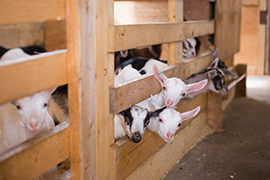
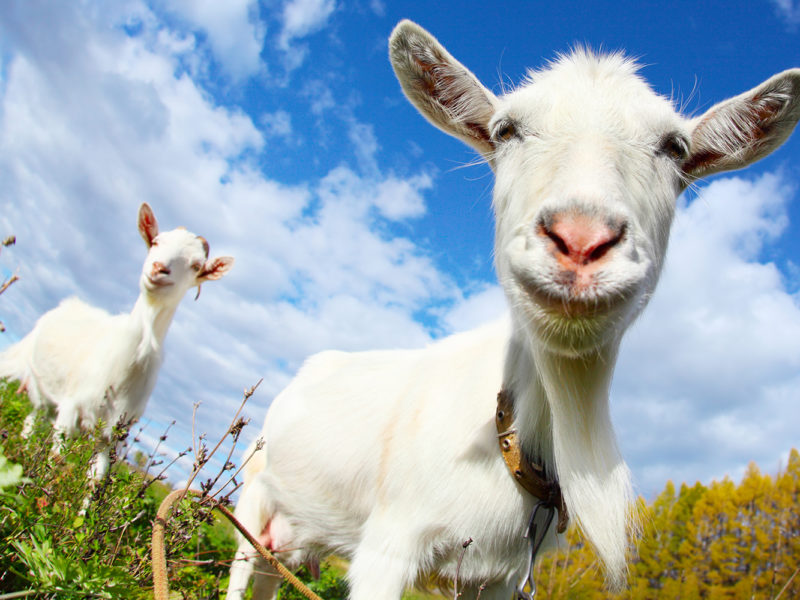
Goats are natural-born weedeaters, but that doesn’t make them ideal for every city.

While they’ve seen service in Kamloops and other municipalities in Western Canada, don’t expect them to be controlling invasive weeds in Metro Vancouver any time soon.

Metro Vancouver’s climate action committee discussed a report April 16 that noted goats are ideal for targeted grazing when compared to pigs, cattle and sheep. But using them in the region could be costly and not environment-friendly.

“Grazing would be logistically complex, 2-4 times costlier than mowing, and 2-5 times more carbon-intensive in this region, due to the need to transport herds from other areas of BC or Alberta,” the report states.

A three-year study launched last year interviewed 12 targeted grazing providers in BC and Alberta. It identified just five willing to bring their herds to the Lower Mainland. The contract would need to be worth at least $40,000 a year for them to make the commitment, according to the report.

The report says a three-year pilot project in Aldergrove Regional Park, which sits in the Agricultural Land Reserve where grazing is an allowed use, would cost between $235,000 and $750,000. Carbon dioxide emissions from transporting goats into the region are estimated at 784 kg over the course of the pilot.

Given these factors, Metro Vancouver is exploring whether a local herd is available for the job, and if the park can ensure animal welfare requirements are met.

The report cost $27,000. An additional $123,000 allocated for the project will be reserved for work on the pilot grazing project and development of best management practices.

All content on this website is copyrighted, and cannot be republished or reproduced without permission.


Related Posts

You may be interested in these posts from the same category.

Carbon tax relief begins

New year, new openness

Goat farmers get behind new dairy association

Previous Post: « Government budgets support marketing
Next Post: Poultry sector receives $86.8 million »

© 2026 COUNTRY LIFE IN BC - ALL RIGHTS RESERVED