
• Menu
  • Skip to primary navigation
  • Skip to main content
  • Skip to primary sidebar

Country Life In BC Logo

The agricultural news source in British Columbia since 1915

  • Headlines
  • Calendar
  • Subscribe
  • Advertise
  • About
  • Archives
  • Contact
  • Search
  • Headlines
  • Calendar
  • Subscribe
  • Advertise
  • About
  • Archives
  • Contact
  • Search

Primary Sidebar

Originally published:

SEPTEMBER 2021
Vol. 107 Issue 9

Subscribe Now!

Sign up for free weekly FARM NEWS UPDATES

Loading form…

Your information will not be
shared or sold ever

Stories In This Edition

Wildfire response improves

Bad timing for election call

Hay there!

Food sales still reeling from the pandemic

Editorial: Restart, regenerate

Back 40: Anti-vax rhetoric is far worse than the cure

Viewpoint: Organic practices key to our collective well-being

Producers face unannounced welfare checks

Livestock feel the heat as forage dries up

Farmers take issue with water restrictions

Ag Briefs: Grape growers optimistic as harvest approaches

Ag Briefs: Greenhouse nursery specialist named

Feed BC connects producers with opportunities

Sidebar: Nutrition program continues

Growers welcome grocer code of conduct

Chicken growers address heat stress

Greenhouse growers undertake strategic plan

Turning manure into renewable energy

Sidebar: Biogas gets a boost with changes to regulations

Blueberry growers welcome higher berry prices

Ranchers, farmers on the wildfire frontlines

Sidebar: Water and fans keep cattle cool

Province halts livestock watering reg update

BC farm sales sets new monthly record

Mental wellness resources meet a growing need

Sidebar: Mental health resources

Saving the farm business hinges on planning

Hot potatoes

Farmers produce crops, and loads of plastic

Barnston Island farmers face uncertain future

Market garden rises from battle of the weeds

Sidebar: Oostenbrink’s tips for no-till vegetables

Research: Bumblebee declines not as dire as study states

A non-family succession plan that worked

Living plants are revolutionizing herb sales

Food hub readies for fall opening

Farm Story: Good help at the right time

Small-scale abattoir in the works for Island

Breeding better tasting beets

Woodshed Chronicles: Plans unfold for the ride of a lifetime

Young entrepreneur weaves new use for twine

Jude’s Kitchen: Simpler eats for a new, normal September

More Headlines

Follow us on Facebook

Comments Box SVG iconsUsed for the like, share, comment, and reaction icons

5 days ago

A BC Forest Practices Board investigation has found overgrazing has damaged grasslands in the Coutlee Range Unit near Merritt — and the range-use plan meant to prevent it was unenforceable. With complaints about overgrazing on the rise and grasslands covering just 1% of BC's land mass, the findings raise fresh questions about how the province manages one of its most vulnerable — and valuable — food-producing ecosyste#BCAg#BCAg ... See MoreSee Less

Link thumbnail

Board finds overgrazing rules unenforceable unmeasurable

www.countrylifeinbc.com

MERRITT – A BC Forest Practices Board investigation has found instances of non-compliance related to overgrazing have damaged open grasslands in the Mine pasture, part of the Coutlee Range Unit near...
View Comments
  • Likes: 6
  • Shares: 6
  • Comments: 6

Comment on Facebook

Several ranchers in recent years have gone into temporary non use on that range , so that means the grass should grow. But drought conditions/lack of rain and snow don’t allow that to happen . Dried up springs , creeks waterholes in various pastures add to over grazing where there is water , as livestock and everything else stay close to the water source . So even though less cattle are on it , over grazing appears. There is a large volume of horses on it 365 days/year which is wrong ! They pull grass right out of the ground when it’s just trying to grow ,, opens the door for weeds to grow in. That don’t help it. Aging infrastructure ( fences) laying on the ground, pipe line building , ( lack of commitment to fence maintenance) amongst all users contributes also to over grazing. Recreational atv users leaving gates open between pastures allows livestock to go back or ahead in pastures also expidites over grazing. Logging ( bcts) has no problem laying out cut locks on both sides of a fence , then it gets smashed down during logging and they don’t take responsibility to stand it back up or clean the cattle gaurds out when they are done , that happened 4 years ago on pasture 5 up there . I bet it is still not fixed . There are lots of contributing factors to the problem.

Tragedy of the commons.

I looked through the report. I saw nothing about the effects of noxious weeds on productive grasslands. This particular area is vulnerable because of the Ministry’a efforts to diversify the use of the Grasslands.

This pasture is under tremendous pressure not only from cattle but from irresponsible local residents who treat it as a landfill dumping all manner of household debris here. And don't even get me started on the mud bogging and camping in sensitive riparian areas. The feral horses are in this pasture 365 days a year just hammering it. Would sure be nice to see some enforcement action on people who are intentionally ripping up the grasslands and riparian areas. Cattle could be a valuable resource for rebuilding soils and native grasses in this area with the help of electric fencing and/or e-collars. The humans will be harder to manage.

The Forest and Range Practices Act was written by lawyers for global forest licencee shareholders. Results-based = unenforceable.

Also, can we talk about the impact of a pipeline being built through the middle of this field for multiple years?

View more comments

1 week ago

East Kootenay rancher Randy Reay is digging a new well after two natural water sources dried up on his Crown tenures. A new Living Lakes Canada assessment found 15% of mapped aquifers in the region are high-priority for monitoring, yet 80% of those go unmonitored. With over 48% of BC's provincial observation wells reporting below-normal groundwater levels, ranchers and researchers are sounding the alarm on water security. The story is in our March edition, and we've posted it to our website thi#BCAgk.

#BCAg
... See MoreSee Less

Link thumbnail

Water woes: groundwater under pressure across BC

www.countrylifeinbc.com

JAFFRAY – As a young boy growing up in the Kootenay-Boundary region, Randy Reay never expected to run out of water. But this year, in mid-February, his fields are bare. There is no snow halfway up t...
View Comments
  • Likes: 8
  • Shares: 7
  • Comments: 1

Comment on Facebook

Jaffrey is in the east Kootenays not kooteney boundary

2 weeks ago

BC farmers are bracing for prolonged higher input costs as war in the Middle East drives up fuel and fertilizer prices. Nitrogen fertilizer costs were already climbing before the Iran conflict began, with prices still roughly 60% above pre-pandemic levels. Farm Credit Canada warns that unlike 2022, strong commodity prices may not offset rising costs this time. Local suppliers expect supply challenges and further price increases ahead.

#BCAg
... See MoreSee Less

Link thumbnail

Fertilizer prices on the rise

www.countrylifeinbc.com

War in the Middle East has delivered a generational shock to energy prices, meaning BC farmers can expect a prolonged period of higher costs not just for fuel but also for fertilizer.
View Comments
  • Likes: 2
  • Shares: 1
  • Comments: 0

Comment on Facebook

2 weeks ago

... See MoreSee Less

View Comments
  • Likes: 1
  • Shares: 0
  • Comments: 0

Comment on Facebook

2 weeks ago

Cameron Stockdale is the new executive director of provincial farm safety organization AgSafeBC. Find out more in this week's Farm News Update from Country Life in B#BCAg#BCAg ... See MoreSee Less

Link thumbnail

New leadership at AgSafe BC

www.countrylifeinbc.com

Cameron Stockdale is the new executive director of provincial farm safety organization AgSafeBC, succeeding Wendy Bennett. Bennett left AgSafeBC in September 2025, following 12 years with the…
View Comments
  • Likes: 5
  • Shares: 1
  • Comments: 0

Comment on Facebook

Subscribe | Advertise

The agricultural news source in British Columbia since 1915
  • Email
  • Facebook

Producers face unannounced welfare checks

BC SPCA gets proactive after Excelsior hog farm protest

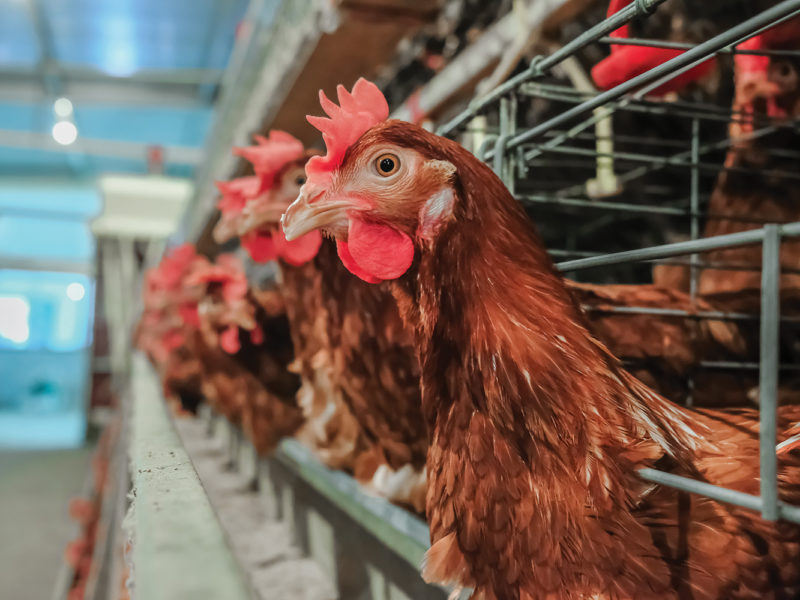
Poultry, cattle and hog producers have been put on notice that the BC SPCA will be undertaking a series of unannounced welfare checks, a move BC SPCA says is part of its mandate under the Prevention of Cruelty to Animals Act. FILE PHOTO

September 1, 2021 byPeter Mitham

NANAIMO – BC SPCA has put commercial livestock producers around the province on notice that it intends to launch unannounced inspections of their operations under the Prevention of Cruelty to Animals Act.

Six sectors have been chosen for the inspections, which will initially take place on Vancouver Island as part of a pilot program. BC SPCA notified industry in a letter dated June 23 that its inspectors would visit two growers from each of the beef, turkey, egg, broiler, hog and dairy sectors as part of the pilot.

“The letter was to put these industries on notice that we intended to conduct inspections pursuant to s.15.1 of the [Prevention of Cruelty to Animals] Act,” says Marcie Moriarty, chief prevention and enforcement officer with the BC SPCA. “This inspection power was granted to the BC SPCA by the [BC] Ministry of Agriculture, Food and Fisheries and was not something that the BC SPCA has lobbied government for. However, as the enforcement agency charged with enforcing the act, we felt it important that we do a sampling of these inspections.”

BC SPCA hoped to complete at least two inspections by the end of August. Agriculture ministry staff and a vet will accompany inspectors. Producers also have the option of requesting the presence of a representative from their industry association or vet during the inspection.

Producers will be asked to provide inspection records and animal welfare plans as required under their sector’s animal care programs. Producers can ask inspectors what concerns, if any, have been identified during the inspection, and can obtain a second opinion in response.

The inspections are limited to commercial growers registered with their respective commodity groups. Small-scale growers, who fall outside marketing regulations, are not included as part of the checks.

“We do not have the resources at the moment to be doing everything,” says Moriarty. “We picked the larger sectors, the ones that have had cases before.”

While both the Dairy Farmers of Canada ProAction initiative and the Chicken Farmers of Canada Animal Care program make use of third-party audits, Moriarty says the inspections are important because they provide independent third-party verification of animal welfare.

“This isn’t something we want to be doing … but we do feel there is a need for third-party auditing and so until that time happens, this was a very small sampling we were going to go forward with,” says Moriarty.

Unfairly targetted

While the inspections are legal, they’re also a departure from the standard complaint-driven investigations BC SPCA has conducted in the past. This has commercial farmers feeling unfairly targeted.

Producer groups met with BC SPCA compliance and enforcement staff on August 4 seeking answers. The meeting included representatives from the BC Ministry of Agriculture, Fisheries and Food and the BC Farm Industry Review Board.

“Animal care is a priority for our livestock members, who seek to continuously refine and advance on-farm standards,” says Danielle Synotte, executive director of the BC Agriculture Council, which facilitated the meeting. “Our focus is on trying to ensure that all parties have a clear understanding of what the inspection process will look like prior to any inspections taking place. As such, industry representatives welcomed the opportunity to engage with the BC SPCA on their pilot proactive inspection initiative to see where they could best support the success of this pilot initiative.”

A collaborative approach was what BC Chicken Marketing Board chair Harvey Sasaki reported to chicken growers when they met later on August 4.

“Being that there are only two inspections per group, we don’t want to appear as not being cooperative as an industry,” says Sasaki. “While you may feel threatened by their request to inspect your operation, denial of access is really not an option.”

Details of all inspections, including denials of access, remain confidential. However, the proportion of farms that deny access to inspectors over the course of the pilot will be published in a report to the BC Ministry of Agriculture, Food and Fisheries.

On edge

Despite the assurances, the inspections are the latest in a series of events that have put livestock producers on edge. A combination of initiatives, legal and otherwise, from animal rights groups have prompted several producers to tighten security. Regulated commodity groups have been a special focus because they maintain lists of members and keep records regarding producer compliance with codes of practice developed by the National Farm Animal Care Council (NFACC).

The codes are developed by industry in partnership with stakeholders, including the SPCA, and are open for public comment prior to being finalized. BC recognizes the codes of practice under the Prevention of Cruelty to Animals Act as the reference for what constitutes “reasonable and generally accepted practices of animal management” that do not cause animals distress.

But the April 2019 invasion of the Excelsior hog farm in Abbotsford highlights public concern, says Moriarty.

BC SPCA declined to press charges against Excelsior and several of the activists involved in the invasion now face charges of break and enter and mischief (the case is set for trial in June 2022), but Moriarty says it highlighted the need for proactive inspections.

“The general call for accountability and transparency within the farming industry [came] out of Excelsior, what happened there. Who are going into these barns that are closed?” she says. “We heard from the public, that they care about animal welfare in farmed animals, and we are the agency responsible for enforcement.”

Some industry members say this smacks of an agenda, especially given that smaller farms get a free pass.

“It is fair to say that SPCA has had a mandate to go after commercial farm activities,” says Abbotsford producer Ray Nickel, also a director of the BC Chicken Marketing Board and former president of the BC Poultry Association. “This isn’t just an innocent ‘We want to follow up on the Code of Practices here,’ or the [Prevention of] Cruelty to Animals Act. There is an underlying agenda, and I think it behoves the BC [Poultry Association] to take some concerted action on behalf of all the associations to put some pressure on the ministry because this isn’t over yet.”

Sasaki says the poultry industry will be following up with the BC Ministry of Agriculture, Food and Fisheries regarding the inspections.

“Ultimately it is the Ministry of Agriculture that’s responsible for the legislation and regulations,” he notes.


Related Posts

You may be interested in these posts from the same category.

Previous Post: « Ranchers watching bluetongue outbreak
Next Post: Farmers take issue with water restrictions »

Copyright © 2026 Country Life in BC · All Rights Reserved