• Menu
  • Skip to primary navigation
  • Skip to main content
  • Skip to primary sidebar

Country Life In BC Logo

The agricultural news source in British Columbia since 1915

  • Headlines
  • Calendar
  • Subscribe
  • Advertise
  • About
  • Archives
  • Contact
  • Search
  • Headlines
  • Calendar
  • Subscribe
  • Advertise
  • About
  • Archives
  • Contact
  • Search

Primary Sidebar

Current Issue:

JANUARY 2026
Vol. 112 Issue 1

Subscribe Now!

Sign up for free weekly FARM NEWS UPDATES

Select list(s) to subscribe to


By submitting this form, you are consenting to receive marketing emails from: Country Life in BC. You can revoke your consent to receive emails at any time by using the SafeUnsubscribe® link, found at the bottom of every email. Emails are serviced by Constant Contact
Your information will not be
shared or sold ever

Follow us on Facebook

Comments Box SVG iconsUsed for the like, share, comment, and reaction icons

11 hours ago

BC's minimum piece rates for 15 hand-harvested crops increased 2.6% on December 31. Crops include peaches, apricots, brussels sprouts, daffodils, mushrooms, apples, beans, blueberries, cherries, grapes, pears, peas, prune plums, raspberries and strawberries. Farm-worker piece rates in BC were increased by 11.5% in January 2019 and 6.9% in December 2024. BC’s current minimum wage sits at $17.85 per hour.

#BCAg
... See MoreSee Less

BCs minimum piece rates for 15 hand-harvested crops increased 2.6% on December 31. Crops include peaches, apricots, brussels sprouts, daffodils, mushrooms, apples, beans, blueberries, cherries, grapes, pears, peas, prune plums, raspberries and strawberries. Farm-worker piece rates in BC were increased by 11.5% in January 2019 and 6.9% in December 2024. BC’s current minimum wage sits at $17.85 per hour. 

#BCAg
View Comments
  • Likes: 6
  • Shares: 0
  • Comments: 2

Comment on Facebook

I'm not sure what they're telling us. Did peace rates have to increase so that Farm workers could make minimum wage?

They deserve it, but the general public will be whining about increased prices in the stores. Will need to make more information average to the g.p.

2 days ago

... See MoreSee Less

View Comments
  • Likes: 10
  • Shares: 0
  • Comments: 0

Comment on Facebook

1 week ago

... See MoreSee Less

View Comments
  • Likes: 7
  • Shares: 0
  • Comments: 0

Comment on Facebook

3 weeks ago

Water volumes from the Nooksack River are at levels similar to 1990 and 2021, but the province says flows should peak at 10pm tonight. The shorter duration, as well as conditions in other watercourses within the watershed and performance of flood protection infrastructure should avoid a catastrophe on the scale of 2021. However, several landslides mean road closures have once again effectively isolated the Lower Mainland from the rest of the province.

#BCag
... See MoreSee Less

Water volumes from the Nooksack River are at levels similar to 1990 and 2021, but the province says flows should peak at 10pm tonight. The shorter duration, as well as conditions in other watercourses within the watershed and performance of flood protection infrastructure should avoid a catastrophe on the scale of 2021. However, several landslides mean road closures have once again effectively isolated the Lower Mainland from the rest of the province.

#BCAg
View Comments
  • Likes: 9
  • Shares: 3
  • Comments: 1

Comment on Facebook

Family living in Sumas WA say it's very much like '21. They have the same amount of water in their house as last time.

1 month ago

... See MoreSee Less

View Comments
  • Likes: 4
  • Shares: 0
  • Comments: 0

Comment on Facebook

Subscribe | Advertise

The agricultural news source in British Columbia since 1915
  • Email
  • Facebook

Rodenticides banned

November 2, 2022 byPeter Mitham

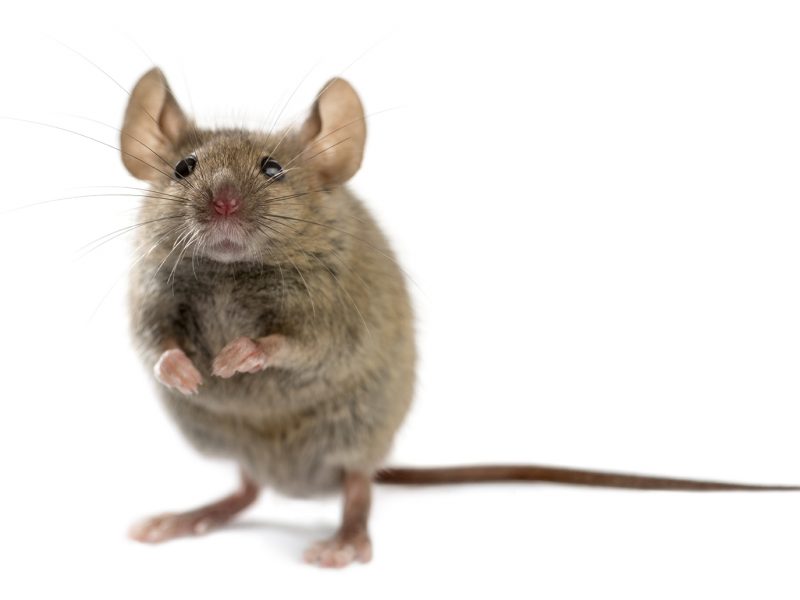
The province has ratified a ban on the use of second-generation anticoagulant rodenticides.

The ban follows an 18-month pilot program that began in July 2021, during which the province consulted broadly with both public and technical experts. The permanent ban, implemented under a revised Integrated Pest Management Regulation, takes effect on Jan. 21, 2023. It outlaws the use of second-generation rodenticides by individuals and most commercial and industrial operations.

“Only select sectors deemed ‘essential services,’ such as hospitals and food production” – including farms – will continue to have access to the products, according to the BC Ministry of Environment and Climate Change Strategy.

The province says the changes aim to shift pest control practices to softer methods, such as less toxic rodenticide alternatives, traps and environmental changes such as removing food sources.

Any farmers who still want to use the banned rodenticides will need to present proof of business ownership and farm status such as a farmer ID card, BC property assessment notice noting farm status, an AgriStability or AgriInvest statement, as well as a copy of a pesticide applicator certificate.

Producers will also be required to use the rodenticides as part of an integrated pest management program and record all instances of use.

Pesticides and poisoned rodents must be disposed of prudently to prevent harm to wildlife, especially raptors, which are key partners in controlling voles, mice and other rodents on Fraser Valley farms.

Research by Sofi Hindmarch, a project biologist with the Fraser Valley Conservancy, has found at least one, and very often two, rodenticides in 100% of raptors examined. The shift away from certain rodenticides will contribute both to their survival and ongoing contribution to IPM programs.

Ideally, Hindmarch would like to see barn owls, hawks and other raptors become a greater part of rodent control on BC farms. She feels rodenticides should be a last resort rather than the default option.

Details on IPM principles, best practices for rodenticide disposal and recording keeping templates are available from the BC Ministry of the Environment and Climate Change Strategy at [https://rb.gy/2koov6].

With files from Kate Ayers
Related Posts

You may be interested in these posts from the same category.

AgriStability program boosted

BC Tree gets credit protection

Cattle

Province files AgriRecovery request

BCAC plans benefits program

Province pledges emergency funding

Province announces rodenticide restrictions

Cherries face the pits

Going solo

Previous Post: « Producers look beyond 2021’s floods
Next Post: CFIA simplifies AI protocols »

Copyright © 2026 Country Life in BC · All Rights Reserved