
• Menu
  • Skip to primary navigation
  • Skip to main content
  • Skip to primary sidebar

Country Life In BC Logo

The agricultural news source in British Columbia since 1915

  • Headlines
  • Calendar
  • Subscribe
  • Advertise
  • About
  • Archives
  • Contact
  • Search
  • Headlines
  • Calendar
  • Subscribe
  • Advertise
  • About
  • Archives
  • Contact
  • Search

Primary Sidebar

Current Issue:

JANUARY 2026
Vol. 112 Issue 1

Subscribe Now!

Sign up for free weekly FARM NEWS UPDATES

Select list(s) to subscribe to


By submitting this form, you are consenting to receive marketing emails from: Country Life in BC. You can revoke your consent to receive emails at any time by using the SafeUnsubscribe® link, found at the bottom of every email. Emails are serviced by Constant Contact
Your information will not be
shared or sold ever

Follow us on Facebook

Comments Box SVG iconsUsed for the like, share, comment, and reaction icons

13 hours ago

BC's minimum piece rates for 15 hand-harvested crops increased 2.6% on December 31. Crops include peaches, apricots, brussels sprouts, daffodils, mushrooms, apples, beans, blueberries, cherries, grapes, pears, peas, prune plums, raspberries and strawberries. Farm-worker piece rates in BC were increased by 11.5% in January 2019 and 6.9% in December 2024. BC’s current minimum wage sits at $17.85 per hour.

#BCAg
... See MoreSee Less

BCs minimum piece rates for 15 hand-harvested crops increased 2.6% on December 31. Crops include peaches, apricots, brussels sprouts, daffodils, mushrooms, apples, beans, blueberries, cherries, grapes, pears, peas, prune plums, raspberries and strawberries. Farm-worker piece rates in BC were increased by 11.5% in January 2019 and 6.9% in December 2024. BC’s current minimum wage sits at $17.85 per hour. 

#BCAg
View Comments
  • Likes: 6
  • Shares: 0
  • Comments: 2

Comment on Facebook

I'm not sure what they're telling us. Did peace rates have to increase so that Farm workers could make minimum wage?

They deserve it, but the general public will be whining about increased prices in the stores. Will need to make more information average to the g.p.

2 days ago

... See MoreSee Less

View Comments
  • Likes: 10
  • Shares: 0
  • Comments: 0

Comment on Facebook

1 week ago

... See MoreSee Less

View Comments
  • Likes: 7
  • Shares: 0
  • Comments: 0

Comment on Facebook

3 weeks ago

Water volumes from the Nooksack River are at levels similar to 1990 and 2021, but the province says flows should peak at 10pm tonight. The shorter duration, as well as conditions in other watercourses within the watershed and performance of flood protection infrastructure should avoid a catastrophe on the scale of 2021. However, several landslides mean road closures have once again effectively isolated the Lower Mainland from the rest of the province.

#BCag
... See MoreSee Less

Water volumes from the Nooksack River are at levels similar to 1990 and 2021, but the province says flows should peak at 10pm tonight. The shorter duration, as well as conditions in other watercourses within the watershed and performance of flood protection infrastructure should avoid a catastrophe on the scale of 2021. However, several landslides mean road closures have once again effectively isolated the Lower Mainland from the rest of the province.

#BCAg
View Comments
  • Likes: 9
  • Shares: 3
  • Comments: 1

Comment on Facebook

Family living in Sumas WA say it's very much like '21. They have the same amount of water in their house as last time.

1 month ago

... See MoreSee Less

View Comments
  • Likes: 4
  • Shares: 0
  • Comments: 0

Comment on Facebook

Subscribe | Advertise

The agricultural news source in British Columbia since 1915
  • Email
  • Facebook

US approves SWD parasite

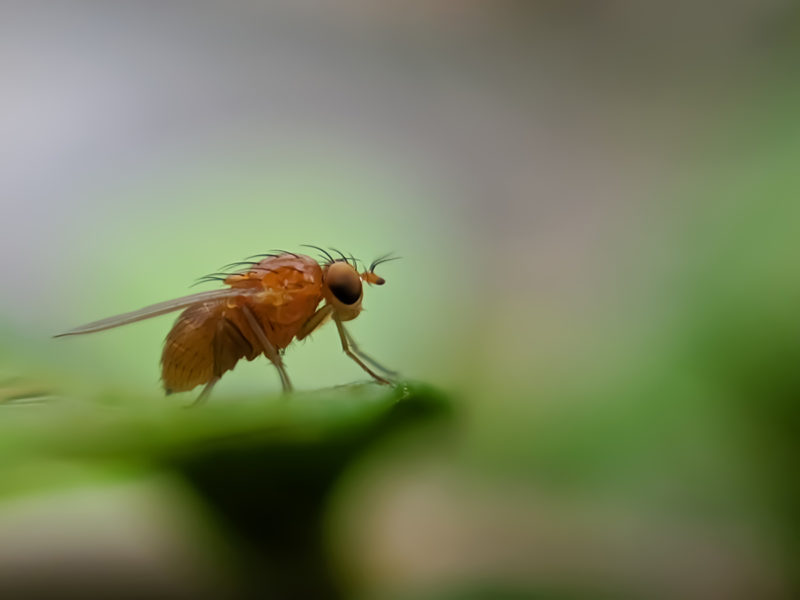
Drosophila suzukii, commonly called the spotted wing drosophila or SWD, is a fruit fly. D. suzukii, originally from southeast Asia, is becoming a major pest species in America and Europe,

October 27, 2021 byPeter Mitham

Parasitic wasps have joined battle alongside berry growers in the fight against spotted-wing drosophila.

US researchers have successfully petitioned the US Department of Agriculture to permit the release of Ganaspis brasiliensis for SWD control within the US.

“This permit allows mass rearing and release of these parasites throughout the USA,” a team of researchers led by Vaughn Walton of Oregon State University reports. “We hope that this will enable a more sustainable and significant reduction of SWD risk in the wine and other affected industries.”

USDA research entomologist Jana Lee, a part of the five-member team, hopes to use the wasp to manage SWD at locations in several states as early as 2022, allowing for its natural establishment.

“Should this parasite successfully establish over time, it will naturally adapt to the environment resulting in more sustainable control of this damaging insect,” the researchers state.

Ganaspis brasiliensis as well as Leptopilina japonica have been identified in BC, but neither has been approved for rearing or release against SWD.

“It is presumed that they arrived from Asia on their own sometime since 2009,” says Agriculture and Agri-food Canada entomologist Paul Abram. “Research is still ongoing to see whether moving either of these species from British Columbia to other parts of Canada would be ecologically safe, as well as effective for suppression of SWD populations.”

But speaking to growers at the Lower Mainland Horticultural Improvement Association short course in Abbotsford in 2019, Abram said the species had a 76% kill rate against SWD larvae.

“They can smell the smell of an infested blueberry compared to a non-infested blueberry and orient towards it,” he said. “When they find an infested berry they’re able to land on the surface and find where the spotted-wing drosophila is.”

The wasps’ natural focus on SWD means the Canadian Food Inspection Agency is likely to approve them for release in Canada if all other risks prove to be low, said Abram.

Research that would lay the foundation for a permit application is ongoing.

Related Posts

You may be interested in these posts from the same category.

Previous Post: « BCAC meetings bear fruit
Next Post: Nelson farm builds soil and local community »

Copyright © 2026 Country Life in BC · All Rights Reserved