• Menu
  • Skip to primary navigation
  • Skip to main content
  • Skip to primary sidebar

Country Life In BC Logo

The agricultural news source in British Columbia since 1915

  • Headlines
  • Calendar
  • Subscribe
  • Advertise
  • About
  • Archives
  • Contact
  • Search
  • Headlines
  • Calendar
  • Subscribe
  • Advertise
  • About
  • Archives
  • Contact
  • Search

Primary Sidebar

Current Issue:

MARCH 2026
Vol. 112 Issue 3

Subscribe Now!

Sign up for free weekly FARM NEWS UPDATES

Loading form…

Your information will not be
shared or sold ever

Follow us on Facebook

Comments Box SVG iconsUsed for the like, share, comment, and reaction icons

1 day ago

Kootenay-Boundary rancher Randy Reay is digging a new well after two natural water sources dried up on his Crown tenures. A new Living Lakes Canada assessment found 15% of mapped aquifers in the region are high-priority for monitoring, yet 80% of those go unmonitored. With over 48% of BC's provincial observation wells reporting below-normal groundwater levels, ranchers and researchers are sounding the alarm on water security. The story is in our March edition, and we've posted it to our website thi#BCAgk.

#BCAg
... See MoreSee Less

Link thumbnail

Water woes: groundwater under pressure across BC

www.countrylifeinbc.com

JAFFRAY – As a young boy growing up in the Kootenay-Boundary region, Randy Reay never expected to run out of water. But this year, in mid-February, his fields are bare. There is no snow halfway up t...
View Comments
  • Likes: 5
  • Shares: 2
  • Comments: 0

Comment on Facebook

4 days ago

BC farmers are bracing for prolonged higher input costs as war in the Middle East drives up fuel and fertilizer prices. Nitrogen fertilizer costs were already climbing before the Iran conflict began, with prices still roughly 60% above pre-pandemic levels. Farm Credit Canada warns that unlike 2022, strong commodity prices may not offset rising costs this time. Local suppliers expect supply challenges and further price increases ahead.

#BCAg
... See MoreSee Less

Link thumbnail

Fertilizer prices on the rise

www.countrylifeinbc.com

War in the Middle East has delivered a generational shock to energy prices, meaning BC farmers can expect a prolonged period of higher costs not just for fuel but also for fertilizer.
View Comments
  • Likes: 2
  • Shares: 1
  • Comments: 0

Comment on Facebook

4 days ago

... See MoreSee Less

View Comments
  • Likes: 1
  • Shares: 0
  • Comments: 0

Comment on Facebook

6 days ago

Cameron Stockdale is the new executive director of provincial farm safety organization AgSafeBC. Find out more in this week's Farm News Update from Country Life in B#BCAg#BCAg ... See MoreSee Less

Link thumbnail

New leadership at AgSafe BC

www.countrylifeinbc.com

Cameron Stockdale is the new executive director of provincial farm safety organization AgSafeBC, succeeding Wendy Bennett. Bennett left AgSafeBC in September 2025, following 12 years with the…
View Comments
  • Likes: 5
  • Shares: 1
  • Comments: 0

Comment on Facebook

1 week ago

A public open house to gather feedback on the Koksilah watershed sustainability plan takes place March 11 at The Hub in Cowichan Station. Originally scheduled for last November, the province deferred it to the spring. An online survey launched last September also remains open until March 15 as the province moves forward on a government-to-government basis with the Cowichan Tribes. In May 2023, the province and the Cowichan Tribes entered an agreement to develop the plan, which will define options related to water allocation, watershed restoration priorities and land use recommendations. Recommended actions may include new regulations to address water use, protect environmental flows, and guide sustainable land and water management. Separate meetings with farmers and other industry groups have been held as part of the consultations.

#BCAg
... See MoreSee Less

A public open house to gather feedback on the Koksilah watershed sustainability plan takes place March 11 at The Hub in Cowichan Station. Originally scheduled for last November, the province deferred it to the spring. An online survey launched last September also remains open until March 15 as the province moves forward on a government-to-government basis with the Cowichan Tribes. In May 2023, the province and the Cowichan Tribes entered an agreement to develop the plan, which will define options related to water allocation, watershed restoration priorities and land use recommendations. Recommended actions may include new regulations to address water use, protect environmental flows, and guide sustainable land and water management. Separate meetings with farmers and other industry groups have been held as part of the consultations.

#BCAg
View Comments
  • Likes: 0
  • Shares: 0
  • Comments: 0

Comment on Facebook

Subscribe | Advertise

The agricultural news source in British Columbia since 1915
  • Email
  • Facebook

Capital spending to rise

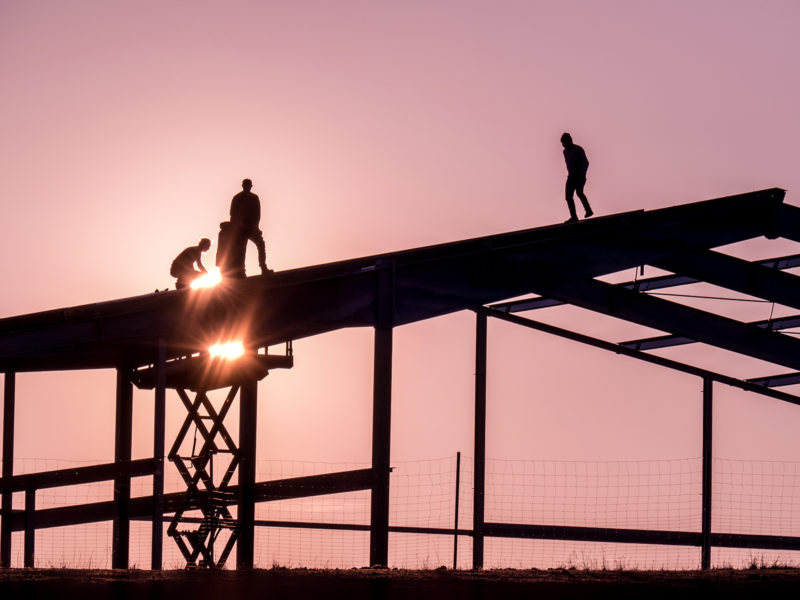
Spending on construction in the ag sector is anticipated to be the greatest since 2020. File photo

February 25, 2026 byPeter Mitham

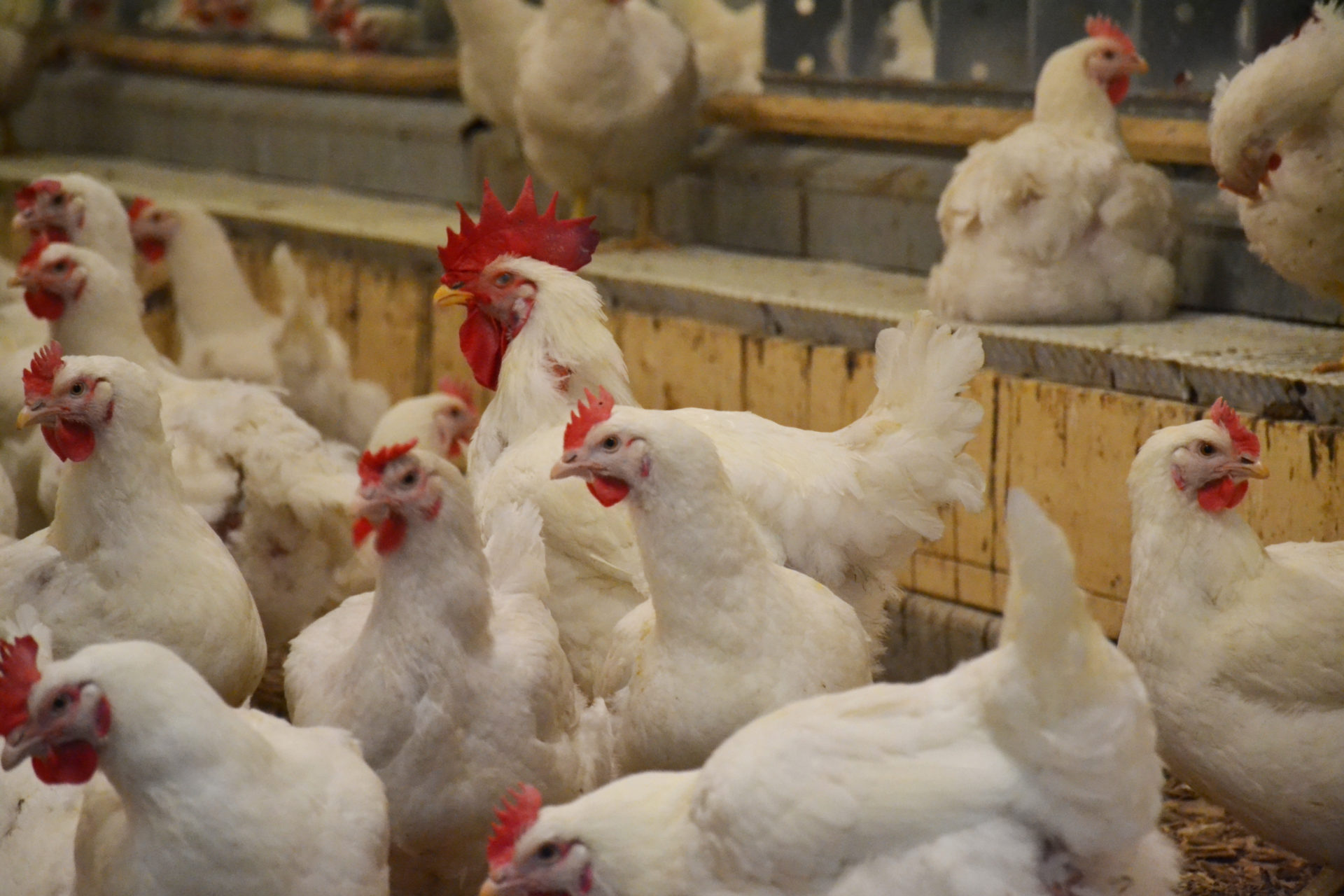
BC livestock producers are poised for record capital spending this year, according to Statistics Canada.

Results of Statscan’s annual survey of capital expenditures, released February 25, indicate projected investments in construction and machinery this year of $303.7 million, up from $302.6 million in 2020.

Spending on construction is anticipated to be the greatest since 2020 at $139.1 million, while spending on machinery and equipment will be second only to 2022 at $164.6 million.

But together, spending tops previous tallies.

The figures for livestock operations trounce those for crop producers, which continue to see muted investment.

Total capital spending by crop producers is forecast at $214.8 million. This is slightly higher than in the past two years, yet the third lowest of the past decade, and less than half the record $466.5 million spent in 2020.

Most of capital spending will flow into construction projects, which will rise to $129.5 million while spending on equipment and machinery will inch down to $85.3 million.

The investment will be supported by measures such as a January 26 federal announcement of immediate expensing for greenhouse buildings.

“This allows producers to fully write off greenhouses acquired on or after November 4, 2025, and that become available for use before 2030,” a statement announcing the measure said. “[This] supports increased domestic supply and investment in food production over the medium-term.”


Related Posts

You may be interested in these posts from the same category.

Previous Post: « Greater interest in dairy
Next Post: Avian influenza returns »

Copyright © 2026 Country Life in BC · All Rights Reserved