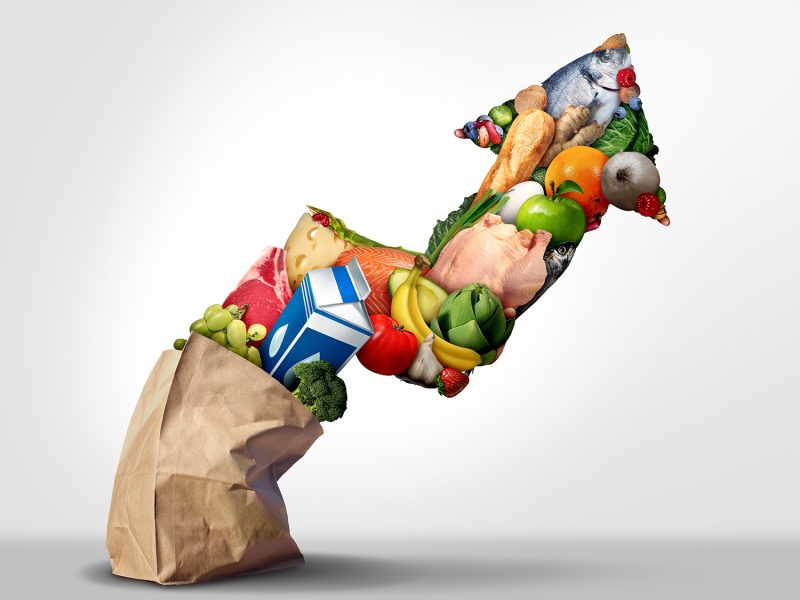
BC food prices rose faster than anywhere else in Canada in the 12 months ended July, according to Statistics Canada data released this week.
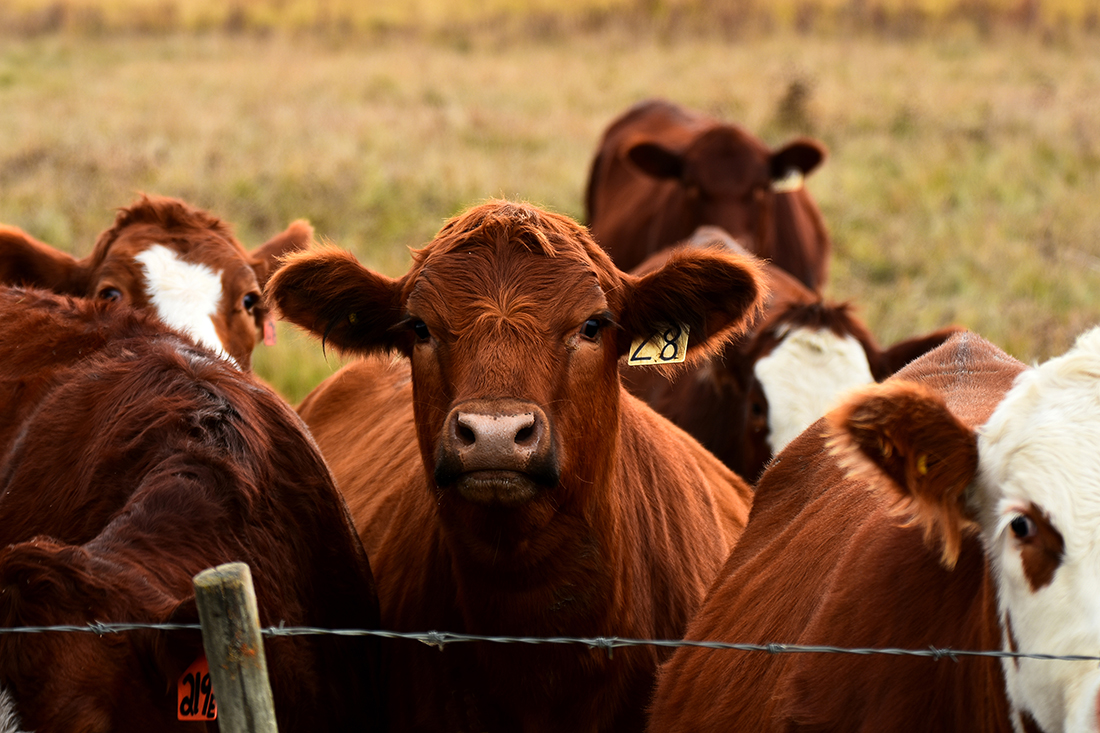
Supermarket food items cost 3.9% more in the month than a year earlier, versus a national average of 3.4%. Most food items saw price increases greater than the national average, led by beef at 12.7%. The exceptions were eggs, fruits and vegetables, with the latter actually falling 3.6%.
While the BC NDP have made much of food security and investments intended to support local farmers in the face of US tariffs, the BC Conservatives were quick to call out the province for grocery price increases.
“BC government policies are directly responsible for pushing food producers and processors out of the province, forcing products to be shipped out for processing and then shipped back again. This inefficiency drives up prices at the checkout counter,” said Kamloops Centre MLA and Opposition finance critic Peter Milobar in a statement. “Let’s make and produce more food right here in BC so we can create jobs and cut inflation.”
Milobar cited recent comments by the Agri-Food Analytics Lab at Dalhousie University highlighting the challenges BC’s food industry faces due to input, labour, and transportation costs, all issues flagged in the BC Food & Beverage Association’s recent state of the industry report.
The report called for the reclassification of certain segments of the Agricultural Land Reserve for manufacturing, including food processing, and incentives for landowners to prioritize food and beverage manufacturing.
BC Food & Beverage is a participant in the Premier’s Task Force on Agriculture and Food Economy that will address land issues at its meeting, October 7-9.
Story updated: 20 Aug 25, 811 pm


 Sweetpea Farms focuses on sustainable meat