• Menu
  • Skip to primary navigation
  • Skip to main content
  • Skip to primary sidebar

Country Life In BC Logo

The agricultural news source in British Columbia since 1915

  • Headlines
  • Calendar
  • Subscribe
  • Advertise
  • About
  • Archives
  • Contact
  • Search
  • Headlines
  • Calendar
  • Subscribe
  • Advertise
  • About
  • Archives
  • Contact
  • Search

Primary Sidebar

Current Issue:

JANUARY 2026
Vol. 112 Issue 1

Subscribe Now!

Sign up for free weekly FARM NEWS UPDATES

Select list(s) to subscribe to


By submitting this form, you are consenting to receive marketing emails from: Country Life in BC. You can revoke your consent to receive emails at any time by using the SafeUnsubscribe® link, found at the bottom of every email. Emails are serviced by Constant Contact
Your information will not be
shared or sold ever

Follow us on Facebook

Comments Box SVG iconsUsed for the like, share, comment, and reaction icons

16 hours ago

BC's minimum piece rates for 15 hand-harvested crops increased 2.6% on December 31. Crops include peaches, apricots, brussels sprouts, daffodils, mushrooms, apples, beans, blueberries, cherries, grapes, pears, peas, prune plums, raspberries and strawberries. Farm-worker piece rates in BC were increased by 11.5% in January 2019 and 6.9% in December 2024. BC’s current minimum wage sits at $17.85 per hour.

#BCAg
... See MoreSee Less

BCs minimum piece rates for 15 hand-harvested crops increased 2.6% on December 31. Crops include peaches, apricots, brussels sprouts, daffodils, mushrooms, apples, beans, blueberries, cherries, grapes, pears, peas, prune plums, raspberries and strawberries. Farm-worker piece rates in BC were increased by 11.5% in January 2019 and 6.9% in December 2024. BC’s current minimum wage sits at $17.85 per hour. 

#BCAg
View Comments
  • Likes: 7
  • Shares: 0
  • Comments: 2

Comment on Facebook

I'm not sure what they're telling us. Did peace rates have to increase so that Farm workers could make minimum wage?

They deserve it, but the general public will be whining about increased prices in the stores. Will need to make more information average to the g.p.

3 days ago

... See MoreSee Less

View Comments
  • Likes: 10
  • Shares: 0
  • Comments: 0

Comment on Facebook

1 week ago

... See MoreSee Less

View Comments
  • Likes: 7
  • Shares: 0
  • Comments: 0

Comment on Facebook

3 weeks ago

Water volumes from the Nooksack River are at levels similar to 1990 and 2021, but the province says flows should peak at 10pm tonight. The shorter duration, as well as conditions in other watercourses within the watershed and performance of flood protection infrastructure should avoid a catastrophe on the scale of 2021. However, several landslides mean road closures have once again effectively isolated the Lower Mainland from the rest of the province.

#BCag
... See MoreSee Less

Water volumes from the Nooksack River are at levels similar to 1990 and 2021, but the province says flows should peak at 10pm tonight. The shorter duration, as well as conditions in other watercourses within the watershed and performance of flood protection infrastructure should avoid a catastrophe on the scale of 2021. However, several landslides mean road closures have once again effectively isolated the Lower Mainland from the rest of the province.

#BCAg
View Comments
  • Likes: 9
  • Shares: 3
  • Comments: 1

Comment on Facebook

Family living in Sumas WA say it's very much like '21. They have the same amount of water in their house as last time.

1 month ago

... See MoreSee Less

View Comments
  • Likes: 4
  • Shares: 0
  • Comments: 0

Comment on Facebook

Subscribe | Advertise

The agricultural news source in British Columbia since 1915
  • Email
  • Facebook

Metro Vancouver a food gateway

June 24, 2020 byPeter Mitham

A report to Metro Vancouver’s regional planning committee on June 12 highlights just how much food moves through the Lower Mainland.

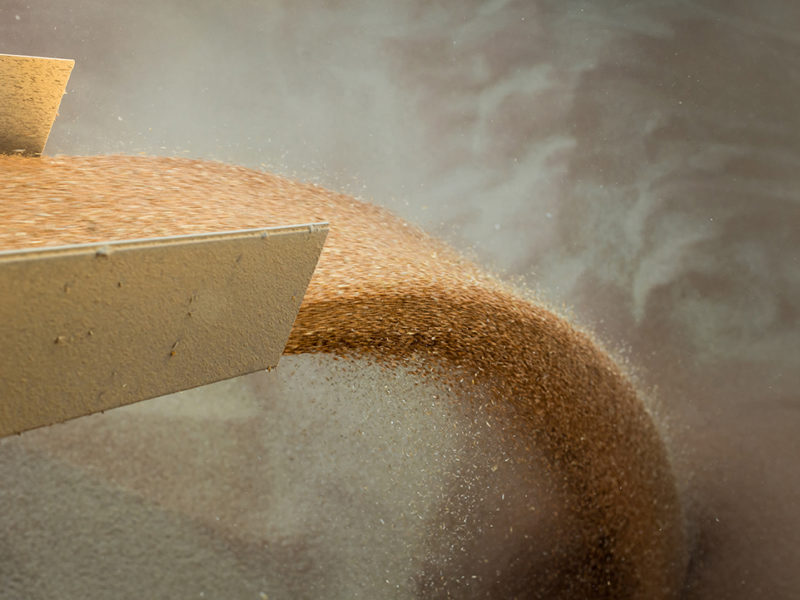
Perhaps not surprising, given that Vancouver is a port city, is the dominant position of international food exports – close to 28 million tonnes. Cereal grains and oil seeds dominate the shipments, at nearly 22 million tonnes. Vegetables are a distant third at just 4 million tonnes. By contrast, total food imports through the port totaled a mere 1.3 million tonnes, dominated by a mix of prepared foodstuffs.

The region receives nearly twice as much from the US via the Pacific Highway border crossing as it ships south. Total imports of 1.2 million tonnes are primarily composed of fresh fruits and vegetables, which together total approximately 700,000 tonnes. That’s as much as the region sends south, half of which is made up of animal and vegetable fats, milling products and cereals.

All told, the region exports 29.3 million tonnes to the rest of BC, Canada and international trading partners including the US. The region’s total food demand is 4.4 million tonnes, of which 500,000 tonnes come from the rest of BC and 400,000 is produced in the region.

The report, prepared by Philip Davies of Davies Transportation Consulting Inc. of Vancouver, is based on data for 2018.

Related Posts

You may be interested in these posts from the same category.

Grain sector receive funding

Hello, status quo

Peace whipped by wild winds

Poultry sector receives $86.8 million

Blueberry growers dodge US complaint

New year, new era

No new concessions

Ingratta heads dairy commission

Dairy producers payout

Shout-out for vegetables

BC agrifood exports rise

Tomato virus targeted

Previous Post: « Mexico sticks with BC
Next Post: Cherries face the pits »

Copyright © 2026 Country Life in BC · All Rights Reserved