• Menu
  • Skip to primary navigation
  • Skip to main content
  • Skip to primary sidebar

Country Life In BC Logo

The agricultural news source in British Columbia since 1915

  • Headlines
  • Calendar
  • Subscribe
  • Advertise
  • About
  • Archives
  • Contact
  • Search
  • Headlines
  • Calendar
  • Subscribe
  • Advertise
  • About
  • Archives
  • Contact
  • Search

Primary Sidebar

Current Issue:

FEBRUARY 2026
Vol. 112 Issue 2

Subscribe Now!

Sign up for free weekly FARM NEWS UPDATES

Loading form…

Your information will not be
shared or sold ever

Follow us on Facebook

Comments Box SVG iconsUsed for the like, share, comment, and reaction icons

2 hours ago

The sold-out Southern Interior Horticulture show continues today. Education sessions range from rodent control to new tree fruit varieties, with the afternoon devoted to improving spraying techniques for orchardists and vineyard managers. When not listening to speakers, producers are checking the trade show.

#BCAg
... See MoreSee Less

The sold-out Southern Interior Horticulture show continues today. Education sessions range from rodent control to new tree fruit varieties, with the afternoon devoted to improving spraying techniques for orchardists and vineyard managers. When not listening to speakers, producers are checking the trade show.

#BCAg
View Comments
  • Likes: 3
  • Shares: 0
  • Comments: 0

Comment on Facebook

4 hours ago

The BC Poultry Association has lowered its avian flu biosecurity threat level from red to yellow, citing declining HPAI risk factors and fewer wild bird infections. Strong biosecurity practices helped BC limit cases this winter to 38 premises, down from 81 last year. For more, see today's Farm News Update from Country Life in #BCAg#BCAg ... See MoreSee Less

Link thumbnail

Poultry biosecurity notches down

www.countrylifeinbc.com

Declining risk factors for highly pathogenic avian influenza (HPAI) have prompted the BC Poultry Association to lower the industry’s biosecurity threat level from red to yellow. The decision…
View Comments
  • Likes: 11
  • Shares: 2
  • Comments: 1

Comment on Facebook

🐥💛

20 hours ago

The application deadline for cost-shared funding through the Buy BC program is coming up on February 20. Up to $2 million through the Buy BC Partnership Program is available annually to BC producers and processors to support local marketing activities that increase consumer awareness of BC agriculture and BC food and beverages. For more information, visit buybcpartnershipprogram.ca/.

Buy BC

#BCAg
... See MoreSee Less

Link thumbnail

Home - Buy BC Partnership Program

buybcpartnershipprogram.ca

Buy BC Partnership Program Increase your visibility with Buy BC The Buy BC Partnership Program is a fundamental component of Buy BC that provides up to $2 million in cost-shared funding annually to lo...
View Comments
  • Likes: 2
  • Shares: 0
  • Comments: 0

Comment on Facebook

1 day ago

The Sik-E-Dakh (Glen Vowell) First Nation's Skeena Fresh hydroponic operation has doubled production capacity thanks to a $130,632 Northern Development Infrastructure Trust grant. Growing lettuce, kale, herbs and more in shipping containers, the operation uses 90% less water than traditional farming while providing 1,200 people with year-round access to fresh, locally grown greens. Their story is in the February edition of Country Life in BC, the agricultural news source for BC’s farmers and ranchers.

Northern Development Initiative Trust
#BCAg
... See MoreSee Less

The Sik-E-Dakh (Glen Vowell) First Nations Skeena Fresh hydroponic operation has doubled production capacity thanks to a $130,632 Northern Development Infrastructure Trust grant. Growing lettuce, kale, herbs and more in shipping containers, the operation uses 90% less water than traditional farming while providing 1,200 people with year-round access to fresh, locally grown greens. Their story is in the February edition of Country Life in BC, the agricultural news source for BC’s farmers and ranchers. 

Northern Development Initiative Trust 
#BCAg
View Comments
  • Likes: 14
  • Shares: 1
  • Comments: 0

Comment on Facebook

2 days ago

Our hearts break for the community of Tumbler Ridge. 💔

310-Mental Health Support: 310-6789
Kids Help Phone: 1-800-668-6868
... See MoreSee Less

Our hearts break for the community of Tumbler Ridge. 💔

310-Mental Health Support: 310-6789
Kids Help Phone: 1-800-668-6868
View Comments
  • Likes: 11
  • Shares: 0
  • Comments: 0

Comment on Facebook

Subscribe | Advertise

The agricultural news source in British Columbia since 1915
  • Email
  • Facebook

Poultry biosecurity notches down

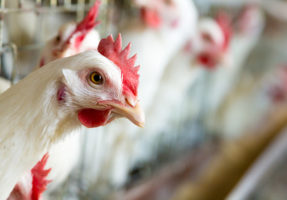
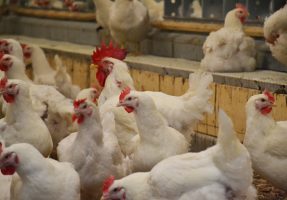
Declining risk factors for highly pathogenic avian influenza (HPAI) have prompted the BC Poultry Association to lower the industry’s biosecurity threat level from red to yellow. File photo

February 12, 2026 byPeter Mitham

Declining risk factors for highly pathogenic avian influenza (HPAI) have prompted the BC Poultry Association to lower the industry’s biosecurity threat level from red to yellow.

The decision, taken last week, is effective immediately.

“While BC is no longer in an active outbreak that mandates a red-level response, risk remains elevated,” the association said in a statement to industry.

A key factor in the decision was the lack of positive HPAI test results from the province’s wild bird testing program.

While migratory birds remain present in the province, traces of HPAI are scarce and neighbouring jurisdictions, including Alberta and Washington, are also experiencing lower instances of infections.

The lower biosecurity level also reflects the Canadian Food Inspection Agency (CFIA) rescinding the remaining primary control zones declared around infected premises on January 27 and instead maintaining security zones and conducting post-outbreak surveillance.

Since last fall, the industry has used biosecurity levels to signal the threat level in the environment rather than a need to change on-farm practices. However, specific protocols remain associated with each biosecurity level.

Yellow, for example, requires farms to welcome essential visitors only, closely monitor flock health and clean and disinfect traffic and access points after each egg pick-up.

“Five years ago, it would change what biosecurity levels you do on your farm,” BC Chicken Growers Association president Brad Driediger told Country Life in BC last fall. “[Today] I don’t think anyone, whether it’s red, yellow or green, changes their biosecurity practices.”

Strong biosecurity helped limit this winter’s case load to just 38 and 1.25 million birds impacted, compared with 81 premises last winter affecting 2.7 million birds. The last commercial case was in Abbotsford on December 19.

“Farmers are doing an excellent job,” BC Chicken Marketing Board executive director Woody Siemens said at the end of last year. “It’s evidenced by how many fewer cases we’ve had.”
Related Posts

You may be interested in these posts from the same category.

Traceability reprieve for livestock

CFIA reports low honey adulteration

Ag Days foregrounds sector priorities

Province funds avian flu upgrades

Red biosecurity remains for poultry

BC distanced from TB concerns

Avian flu response keeping pace

Bird flu returns

CFIA nabs Enderby abattoir

BC control zones revoked

BC FIRB gets a good egg

Avian influenza grows

Previous Post: « BCPVGA gets new general manager

Copyright © 2026 Country Life in BC · All Rights Reserved