• Menu
  • Skip to primary navigation
  • Skip to main content
  • Skip to primary sidebar

Country Life In BC Logo

The agricultural news source in British Columbia since 1915

  • Headlines
  • Calendar
  • Subscribe
  • Advertise
  • About
  • Archives
  • Contact
  • Search
  • Headlines
  • Calendar
  • Subscribe
  • Advertise
  • About
  • Archives
  • Contact
  • Search

Primary Sidebar

Originally published:

JUNE 2023
Vol. 109 Issue 6

Subscribe Now!

Sign up for free weekly FARM NEWS UPDATES

Loading form…

Your information will not be
shared or sold ever

Stories In This Edition

Dry heat hits

Blossoms of hope

Pest pressures shift

Field-scale trials essential for adaptive farming

Editorial: Peak producton

Back 40: Technology running laps around producers

Viewpoint: Remembering Craig Evans, practical visionary

Sod industry sees slow recovery from disasters

BC Veg looks beyond legal challenges

Teaching moment

Ag Briefs: EcoFarm rebrands, expands mandate

Ag Briefs: Vegetable roundup

Ag Briefs: Replant program revamped

New agriculture minister settling into her role

Fruit specialists take extension in new direction

Record beef prices trigger mixed feelings

CFIA proposes traceability updates

Sidebar: Not fair for Fairs

Bison export hit by century-old regulations

Island 4-H beef show kicks off season

New farmers institutes form to address gaps

BC research farm steals show at cranberry congress

Award-winning products from BC ingredients

Sidebar: Seed-and crowdfunding sprout distillery

Seed producer takes a page from the craft beer movement

Seed sales plateau following pandemic boost

Diversification, patience help honey sector grow

Long road leads to RNG

Sidebar: Biogas production a sieable investment of time and money

Farmer-first tech drives efficiency, sustainability

Farm Story: Strong opinions spark spontaneous achievement

UFV brings fresh perspective to agriculture

Urban farming venture sticks close to home

Barriere expo supports youth in agriculture

Woodshed: Delta & Deborah have a heart-to-heart

Gala sparks the passion for Ag in the Classroom

Judes Kitchen: Harvest some herbs for Dad’s day

All content on this website is copyrighted, and cannot be republished or reproduced without permission.

More Headlines

Follow us on Facebook

Comments Box SVG iconsUsed for the like, share, comment, and reaction icons

39 minutes ago

UBC's Wine Research Centre brought together a dozen graduate students at Tantalus Winery in Kelowna on April 30 to share their latest research on viticulture and winemaking. Topics ranged from heat and drought stress on vines to natural yeast classification and cover crop pairings. The day opened with a vineyard tour highlighting sustainable practices already underway at the wine#BCAg#BCAg ... See MoreSee Less

UBCs Wine Research Centre brought together a dozen graduate students at Tantalus Winery in Kelowna on April 30 to share their latest research on viticulture and winemaking. Topics ranged from heat and drought stress on vines to natural yeast classification and cover crop pairings. The day opened with a vineyard tour highlighting sustainable practices already underway at the winery.

#BCAg
View Comments
  • Likes: 0
  • Shares: 0
  • Comments: 0

Comment on Facebook

5 days ago

Saskatchewan's Monette Farms, with nearly $1.1 billion in liabilities, has been granted creditor protection under the CCAA while it restructures. Rapid expansion into produce and cattle dragged earnings well below projections. The farm's BC cattle operation — and a planned West Kelowna winery — hang in the b#BCAge.

#BCAg
... See MoreSee Less

Link thumbnail

Monette Farms wins creditor protection

www.countrylifeinbc.com

Monette Farms’ rapidly expanding produce business was a key factor in its decision to seek protection from creditors last week, according to court documents. Saskatchewan-based Monette Farms was…
View Comments
  • Likes: 1
  • Shares: 0
  • Comments: 0

Comment on Facebook

1 week ago

A new national beef code of practice is open for public comment until June 12. Developed by NFACC and the Canadian Cattle Association, the draft addresses pain management, weaning, nutrition, lameness and end-of-life care.

#BCAg
... See MoreSee Less

Link thumbnail

New beef practices open for comment

www.countrylifeinbc.com

A new national code of practice for beef producers is open for public comment. “The public comment period is an important opportunity for producers across Canada to review the draft code and provide...
View Comments
  • Likes: 1
  • Shares: 0
  • Comments: 0

Comment on Facebook

2 weeks ago

The BC Ministry of Health has approved $4.25 million for the BC Farmers Market Nutrition Coupon Program, administered by the BC Association of Farmers Markets, for 2026. The funding is even with last year, and follows on $12 million provided in 2022-24. The funding is a cornerstone of BCAFM, providing eligible low-income, pregnant and senior individuals with $27 a week for purchases of locally grown produce at more than 100 participating farmers markets in 92 communities across BC. Funding has increased seven-fold since the program launched in 2012.

#BCAg
... See MoreSee Less

The BC Ministry of Health has approved $4.25 million for the BC Farmers Market Nutrition Coupon Program, administered by the BC Association of Farmers Markets, for 2026. The funding is even with last year, and follows on $12 million provided in 2022-24. The funding is a cornerstone of BCAFM, providing eligible low-income, pregnant and senior individuals with $27 a week for purchases of locally grown produce at more than 100 participating farmers markets in 92 communities across BC. Funding has increased seven-fold since the program launched in 2012.

#BCAg
View Comments
  • Likes: 1052
  • Shares: 390
  • Comments: 133

Comment on Facebook

It provides for more than produce. It includes, eggs, meat and honey!

Good program. Additionally, I toured the Kelowna Food bank yesterday. They are serving about 12,000 people a month. Lots are working people.

I have seen people at the Saanichton markets asking if vendors take the coupons and being embarrassed when the vendor says no. Are there signs that are placed on the tables so people know who is part of the program and who is not?

You would have a slim choice of meat if you only get $27.00 .

“While it’s unfortunate that programs like this are necessary, I’m grateful they exist to support families and local farmers.”

Food stamps?

This should be made a little more accessible, especially for seniors

What exactly is this and how does it work? I've never heard of it before. How does this get applied to us who it's intended to help?

Christy Sakai its a week and if you to the markets you can get a small bag of carrots 5bucks, a few potatoes, usually a bag of apples are 5 bucks, and in summer you have fruit choices. Yes doesn't seem like alot but it could be stretched at the markets and remember its a week so really ypu going to use the whole bag of carrots in a week, probably not so you have something for the next week. Heads of lettuce 5 bucks. Every little bit does help when it comes to supporting local farmer and family.

This program has helped me afford local produce, as a senior. I am grateful for the assistance and eat a healthier diet.

I have been a working poor and 🙏👍for recognizing the people who deserve a bit of help as they are doing the best they can 😘👍

This sounds a little more complicated to enroll in than it needs to be. A lot of people probably never heard of it, I only did because I read this post.

It is illegal for me to grow a garden . We can all afford to eat if we can grow.

How does a senior apply?

On my smalltown the food bank puts your name in a lottery for this Seniors included in lottery

Here are the general qualifications: Income Threshold: Generally for lower-income households. Some specific, local programs have identified a threshold of $27,000 or less for a single person or under $50,000 per year for a household. Targeted Groups: Participants must be seniors/elders, pregnant individuals, or families with children under 19. Participant Requirements: In addition to income, participants must: Participate in a food literacy program (e.g., cooking, gardening, or food budgeting). Be able to travel to a participating market to shop for themselves. Allocation: Because demand is high, coupons are often prioritized for new participants each year. Important Information: Coupons are not handed out by the BC Farmers' Markets directly. You must connect with a local community partner (such as a food bank, community centre, or neighbourhood house) to apply.

Glad to see this continue. With the increase in cost of living, this program should be increasing, not staying even with last year. Our local food bank is inundated with need.

It’s a great program. Too bad they won’t extend it to Farmstands as well. Some producers can’t make it to market because of work schedules. And there is more than just vegetables out there.

Where do people apply? Thinking of those I know who need this program.

Have you got an email yet?

I wish a person on disability could get the help too :(

What cities have this

I didn’t know that the program existed

Please if you have these coupons do not be embarrassed to use them they are a good as anyone's money to a grower! I would agree it is a slippery slope to have people pay with government coupons but Remember large scale agriculture is subsidized in this country in way that dwarfs this little program. We are all in a sense are paying with coupons at the big supermarket. As a small scale grower grower I can tell you when you see the higher prices at the farmers market, no one is getting rich off you. That is the true cost of food. Yes that should scare you

Excellent work, BC Ministry of Health! 👍👍👍 An amazing program

View more comments

2 weeks ago

KPU researcher Naomi Robert is partnering with Oregon State University's Dry Farming Collaborative to test drought-resilient growing practices across Vancouver Island and the Gulf Islands. Working with three market gardeners, the study found tomatoes and zucchini thrived without irrigation. With droughts intensifying across the Pacific Northwest, dry farming offers BC growers practical tools to adapt to a changing climate. The full story appears in our April edition. tinyurl.com/d2fzs#BCAg#BCAg ... See MoreSee Less

KPU researcher Naomi Robert is partnering with Oregon State Universitys Dry Farming Collaborative to test drought-resilient growing practices across Vancouver Island and the Gulf Islands. Working with three market gardeners, the study found tomatoes and zucchini thrived without irrigation. With droughts intensifying across the Pacific Northwest, dry farming offers BC growers practical tools to adapt to a changing climate. The full story appears in our April edition. https://tinyurl.com/d2fzs9x6

#BCAg
View Comments
  • Likes: 22
  • Shares: 5
  • Comments: 0

Comment on Facebook

Subscribe | Advertise

The agricultural news source in British Columbia since 1915
  • Email
  • Facebook

Seed producer takes a page from the craft beer movement

Oregon considers banning canola farms in seed belt

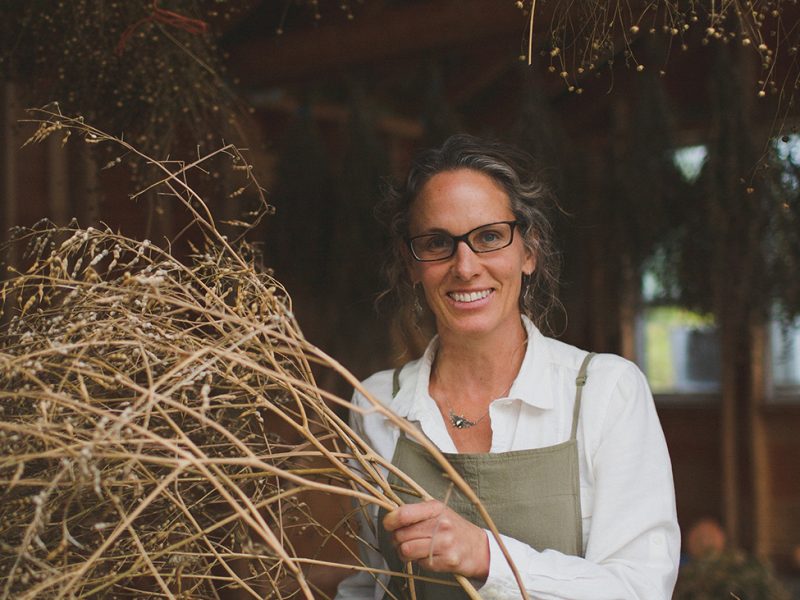
Fiona Hamersley Chambers of Metchosin Farms wants BC to adopt a Craft Seed designation that provides transparency regarding the source of seeds sold by seed companies. SUBMITTED

June 1, 2023 bySandra Tretick

VICTORIA – The Oregon state legislature gave first reading in April to a bill that would severely restrict canola farms in the Willamette Valley Protection District in an attempt to guard the area’s specialty seed producers.

Currently at the public hearing stage, seed companies support the move. The valley is ideal for producing high yields of quality seeds because of a unique combination of soil, water and a favourable climate.

Fiona Hamersley Chambers, owner of Metchosin Farms, says 80% of US spinach seed is grown there, but notes that southern Vancouver Island is also ideal for growing spinach and other crops.

“British Columbia is the seed basket of Canada,” she says. “Nowhere else in Canada can you grow the extraordinary range of seed crops successfully that we can here. Metchosin could be full of spinach seed. We have the ideal conditions. I pull it out as a weed.”

Hamersley Chambers spent a lot of time over the last two years developing a concept that she’s calling Craft Seed, a fusion of lessons from the craft beer movement and the VQA, which she pitched last year to then agriculture minister Lana Popham.

“VQA was a response by the British Columbia wine industry to California imports,” she says. “We need to be able to explain in simple terms and with a very basic logo, why we are different. I think that Craft Seed is a way to do that.”

Her proposal highlighted bulk imported seeds as a food security loophole and included a certification scheme that would clearly identify BC-grown seed. She says Popham liked the concept but it didn’t get traction.

SeedChange is a charity that works with Canadian farmers through the Bauta Family Initiative on Canadian Seed Security in partnership with FarmFolk/CityFolk in BC. It estimates that 97% of vegetable seeds planted in Canada are imported.

FarmFolk/CityFolk BC seed security manager David Catzel wrote a letter to the BC Ministry of Agriculture and Food last year supporting Hamersley Chambers’ proposal, but FarmFolk/CityFolk has since submitted its own proposal that recommends a designation based on a pledge rather than certification.

“[We] would actually be working with all the seed growers to come up with quality standards we all agree to adhere to, and then we will pledge to do that, rather than certification,” says Catzel. “Certification is expensive to run. I didn’t want to burden farmers with additional fees.”

The province has not yet made a decision on whether to fund the FarmFolk/CityFolk proposal.

The motivation behind both proposals is to distinguish good quality, locally grown seed from internationally sourced seeds.

“Even if [local seeds are] comparable to the international market, they’re better because we can mitigate all those supply-chain issues that will inevitably come up at some point in the future,” Catzel adds.

FarmFolk/CityFolk’s initiative builds on previous work to develop industry capacity for BC seed growers, including variety trials, detailed enterprise budget templates and three mobile seed cleaning trailers that travelled more than 8,500 kilometres around BC last year making 35 different stops.

The current trials include three types of lettuce being evaluated for hot-season growing and two types of carrots. Carrots normally take two years to produce seed, but they were able to partner with UBC Farm and cut that down to a year by taking advantage of a winter greenhouse.

Catzel says the proposal that is currently with the ministry would include gathering seed growers together to develop quality assurance standards, come up with a brand and launch a media campaign. Both he and Hamersley Chambers are hopeful it will get the go-ahead.

“This is a designation for BC seed farmers that is long overdue and I’m hopeful by working together we’re going to make this happen,” says Hamersley Chambers. “We really do not have food security if we don’t have seed security. People need to understand how little seed we produce.”

All content on this website is copyrighted, and cannot be republished or reproduced without permission.

Related Posts

You may be interested in these posts from the same category.

Previous Post: «Irrigation Water infrastructure, food security
Next Post: Kamloops decommissions farm irrigation »

© 2026 COUNTRY LIFE IN BC - ALL RIGHTS RESERVED