• Menu
  • Skip to primary navigation
  • Skip to main content
  • Skip to primary sidebar

Country Life In BC Logo

The agricultural news source in British Columbia since 1915

  • Headlines
  • Calendar
  • Subscribe
  • Advertise
  • About
  • Archives
  • Contact
  • Search
  • Headlines
  • Calendar
  • Subscribe
  • Advertise
  • About
  • Archives
  • Contact
  • Search

Primary Sidebar

Current Issue:

APRIL 2026
Vol. 112 Issue 4

Subscribe Now!

Sign up for free weekly FARM NEWS UPDATES

Loading form…

Your information will not be
shared or sold ever

Follow us on Facebook

Comments Box SVG iconsUsed for the like, share, comment, and reaction icons

14 hours ago

A draft update to the Code of Practice for the Care and Handling of Beef Cattle is now open for public comment until June 12. The code, one of 14 animal care codes developed and maintained by the National Farm Animal Care Council, is undergoing a routine 10-year review. "Your feedback will help shape the industry's guide to cattle welfare for the next decade," says Canadian Cattle Association policy manager Jessica Radau, urging producers to weigh in. For more information, visit tinyurl.com/58a3u9fz.

#BCAg
... See MoreSee Less

A draft update to the Code of Practice for the Care and Handling of Beef Cattle is now open for public comment until June 12. The code, one of 14 animal care codes developed and maintained by the National Farm Animal Care Council, is undergoing a routine 10-year review.  Your feedback will help shape the industrys guide to cattle welfare for the next decade, says Canadian Cattle Association policy manager Jessica Radau, urging producers to weigh in. For more information, visit https://tinyurl.com/58a3u9fz.

#BCAg
View Comments
  • Likes: 3
  • Shares: 0
  • Comments: 1

Comment on Facebook

I sat in the webinar yesterday by the Canadian Cattle Association. My initial concern was that this would be another "play" into the government's hands. It has been worked on by people that are actually in the Beef industry from Cow calf to feedlot. The thrust is an update of the 2013 Code of Practice which was reviewed in 2018. The changes are more a move from "left to the producers discretion" to clearer directions regarding pain management, proper transport of animals which are impaired and keeping cattle in in good condition. Much of what is recommended is what producers who care about animal husbandry already do. The important part is to GIVE THEM FEEDBACK good, bad or otherwise. The document is about 60 pages long, and I ran it through CHAT to see what had been changed. It is important to understand that the PUBLIC is invited to comment on the draft not just producers. Think about it... do you really want the public influencing how you manage your cattle. If you think that this is just one of those things, I have been following Bill 22 in Alberta which will grant the SPCA a proactive roll in entering farms and checking on animals. When I asked CHAT how the new bill relates to the Cattle Code, it came back that the Code although not a regulation will be able to be used as a guide by producers for backup in dealing with the SPCA regarding cattle conditions, sick animal handling etc. Take the time.... Go onto the Canadian Cattle Association website and speak to those parts that you wish to input.

2 days ago

According to the BC River Forecast Centre, the Okanagan snowpack stood at just 58% of normal on April 1 — the lowest reading since measurements began in 1980 — raising concerns about drought conditions in the region this summer. The rest of the province sits at 92% of normal.

#BCAg
... See MoreSee Less

According to the BC River Forecast Centre, the Okanagan snowpack stood at just 58% of normal on April 1 — the lowest reading since measurements began in 1980 — raising concerns about drought conditions in the region this summer. The rest of the province sits at 92% of normal.

#BCAg
View Comments
  • Likes: 3
  • Shares: 0
  • Comments: 0

Comment on Facebook

3 days ago

At her first AGM as executive director of BC Meats, held Saturday in Abbotsford, Jennifer Busmann spoke about her strong ties to agriculture and her optimism for the organization's future. Busmann has cattle of her own and came to the role with existing relationships with members and the board of directors that helped her feel integrated from the start. She stepped into the position in Februa#BCAg#BCAg ... See MoreSee Less

At her first AGM as executive director of BC Meats, held Saturday in Abbotsford, Jennifer Busmann spoke about her strong ties to agriculture and her optimism for the organizations future. Busmann has cattle of her own and came to the role with existing relationships with members and the board of directors that helped her feel integrated from the start. She stepped into the position in February.

#BCAg
View Comments
  • Likes: 6
  • Shares: 0
  • Comments: 0

Comment on Facebook

5 days ago

Shannon Wiggins of Headwind Farm in North Saanich is this year's Mary Forstbauer Grant recipient from the BC Association of Farmers Markets. The $500 grant will help Wiggins expand her plot at Sandown Centre for Regenerative Agriculture, growing more storage crops to extend her harvest season. Wiggins credits farmers markets with inspiring her own farming journey and commitment to building community through food. Congratulations!

tinyurl.com/45bdd#BCAg#BCAg
... See MoreSee Less

Shannon Wiggins of Headwind Farm in North Saanich is this years Mary Forstbauer Grant recipient from the BC Association of Farmers Markets. The $500 grant will help Wiggins expand her plot at Sandown Centre for Regenerative Agriculture, growing more storage crops to extend her harvest season. Wiggins credits farmers markets with inspiring her own farming journey and commitment to building community through food. Congratulations!

https://tinyurl.com/45bddtw8

#BCAg
View Comments
  • Likes: 47
  • Shares: 2
  • Comments: 3

Comment on Facebook

Wahoo! Congrats Shannon! I love your produce. Can’t wait for the radishes 🫜

Congratulations!

Well done!! 🩷🩷🩷

6 days ago

New farmers can avoid costly mistakes by learning from those who've been there. At a Young Agrarians mixer in Penticton, five BC farmers shared hard-won lessons on pricing, pivoting, relationships and burnout. From coyote losses to business burnout, their message was clear: set prices that reflect true costs, make decisions quickly and don't let farming define your worth. Myrna Stark Leader's story appears in our April e-edition, now available to view online at: tinyurl#BCAg2uw53vvm

#BCAg
... See MoreSee Less

New farmers can avoid costly mistakes by learning from those whove been there. At a Young Agrarians mixer in Penticton, five BC farmers shared hard-won lessons on pricing, pivoting, relationships and burnout. From coyote losses to business burnout, their message was clear: set prices that reflect true costs, make decisions quickly and dont let farming define your worth. Myrna Stark Leaders story appears in our April e-edition, now available to view online at: https://tinyurl.com/2uw53vvm

#BCAg
View Comments
  • Likes: 15
  • Shares: 0
  • Comments: 0

Comment on Facebook

Subscribe | Advertise

The agricultural news source in British Columbia since 1915
  • Email
  • Facebook

Vegetable growers lose key product

December 16, 2020 byPeter Mitham

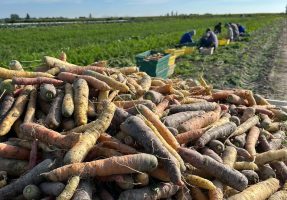
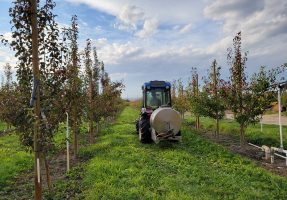
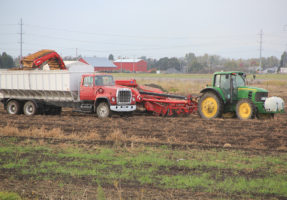
Lower Mainland vegetable growers will face a tougher time controlling key pests come 2023 as a result of the federal Pest Management Regulatory Agency’s cancellation of the registration for chlorpyrifos, a non-systemic organphosphate critical to the control of wireworm and other pests in BC.

Re-evaluation of the chemical, the active agent in formulations of Lorsban and other materials, led to the cancellation of label use in food crops. Product labels must be updated within two years of the decision (by December 10, 2022). The lack of alternatives will see the product allowed for use in canola and garlic until December 10, 2024.

“Health Canada is cancelling outdoor uses of chlorpyrifos except those listed below, due to risks to the environment that have not been shown to be acceptable,” a PMRA statement issued December 10 said.

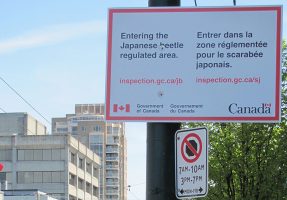
Remaining acceptable uses include mosquito control, protection of non-residential structures and greenhouse ornamentals, and and control of various beetles including Japanese beetle, elm bark beetle and mountain pine beetle.

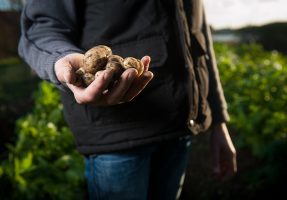
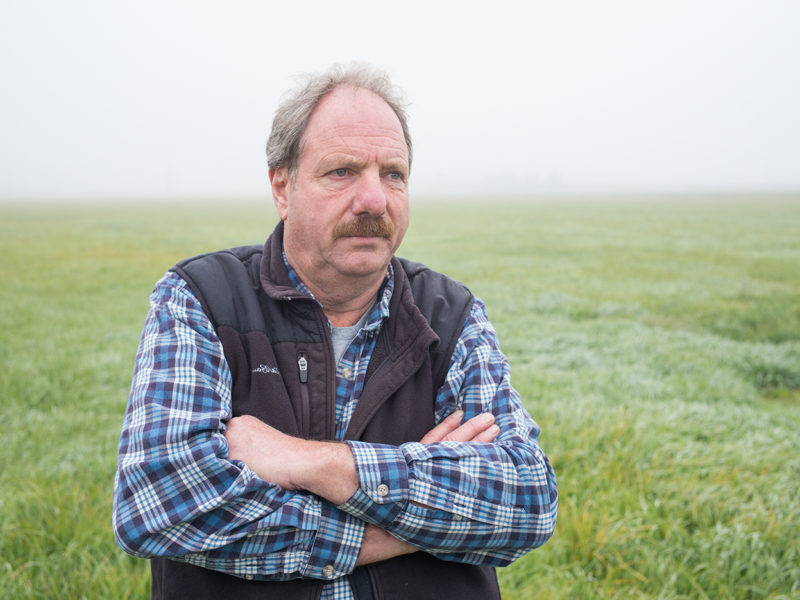
While defeating the Japanese beetle, which continues to be present in Vancouver, is in the interests of BC’s agriculture sector, Bill Zylmans of the BC Potato and Vegetable Growers Association says the cancellation of chlorpyrifos’ registration will hurt potato growers and seriously challenge rutabaga and cole crop growers.

“It’ll be detrimental,” he said. “I really believed that PMRA was going to have a little bit more sympathy for BC, in the sense that we don’t have anything else.”

While alternatives may emerge, other provinces still have options they can use to control pests in these crops. Removing tools from the growers’ tool kit at the same time as governments are promoting local food security is counterproductive, he adds.

“It just adds to the expense, when everyone is bellyaching they want cheap food,” he said. “It really makes producing crops that much more problematic, and it’s another way of putting more stress on the table of the potato grower and farmer in general.”

All content on this website is copyrighted, and cannot be republished or reproduced without permission.

Related Posts

You may be interested in these posts from the same category.

BCPVGA gets new general manager

Kamloops reports Japanese beetle

New rules for pesticide applications

Wireworms require vigilance

Japanese beetle fight expands

Japanese beetle spreads

Japanese beetle spreads

BC potato growers optimistic

Previous Post: « ACARN hosts largest-ever workshop
Next Post: The spirit of giving »

© 2026 COUNTRY LIFE IN BC - ALL RIGHTS RESERVED