• Menu
  • Skip to primary navigation
  • Skip to main content
  • Skip to primary sidebar

Country Life In BC Logo

The agricultural news source in British Columbia since 1915

  • Headlines
  • Calendar
  • Subscribe
  • Advertise
  • About
  • Archives
  • Contact
  • Search
  • Headlines
  • Calendar
  • Subscribe
  • Advertise
  • About
  • Archives
  • Contact
  • Search

Primary Sidebar

Current Issue:

JANUARY 2026
Vol. 112 Issue 1

Subscribe Now!

Sign up for free weekly FARM NEWS UPDATES

Select list(s) to subscribe to


By submitting this form, you are consenting to receive marketing emails from: Country Life in BC. You can revoke your consent to receive emails at any time by using the SafeUnsubscribe® link, found at the bottom of every email. Emails are serviced by Constant Contact
Your information will not be
shared or sold ever

Follow us on Facebook

Comments Box SVG iconsUsed for the like, share, comment, and reaction icons

6 hours ago

BC's minimum piece rates for 15 hand-harvested crops increased 2.6% on December 31. Crops include peaches, apricots, brussels sprouts, daffodils, mushrooms, apples, beans, blueberries, cherries, grapes, pears, peas, prune plums, raspberries and strawberries. Farm-worker piece rates in BC were increased by 11.5% in January 2019 and 6.9% in December 2024. BC’s current minimum wage sits at $17.85 per hour.

#BCAg
... See MoreSee Less

BCs minimum piece rates for 15 hand-harvested crops increased 2.6% on December 31. Crops include peaches, apricots, brussels sprouts, daffodils, mushrooms, apples, beans, blueberries, cherries, grapes, pears, peas, prune plums, raspberries and strawberries. Farm-worker piece rates in BC were increased by 11.5% in January 2019 and 6.9% in December 2024. BC’s current minimum wage sits at $17.85 per hour. 

#BCAg
View Comments
  • Likes: 5
  • Shares: 0
  • Comments: 1

Comment on Facebook

They deserve it, but the general public will be whining about increased prices in the stores. Will need to make more information average to the g.p.

2 days ago

... See MoreSee Less

View Comments
  • Likes: 9
  • Shares: 0
  • Comments: 0

Comment on Facebook

1 week ago

... See MoreSee Less

View Comments
  • Likes: 7
  • Shares: 0
  • Comments: 0

Comment on Facebook

3 weeks ago

Water volumes from the Nooksack River are at levels similar to 1990 and 2021, but the province says flows should peak at 10pm tonight. The shorter duration, as well as conditions in other watercourses within the watershed and performance of flood protection infrastructure should avoid a catastrophe on the scale of 2021. However, several landslides mean road closures have once again effectively isolated the Lower Mainland from the rest of the province.

#BCag
... See MoreSee Less

Water volumes from the Nooksack River are at levels similar to 1990 and 2021, but the province says flows should peak at 10pm tonight. The shorter duration, as well as conditions in other watercourses within the watershed and performance of flood protection infrastructure should avoid a catastrophe on the scale of 2021. However, several landslides mean road closures have once again effectively isolated the Lower Mainland from the rest of the province.

#BCAg
View Comments
  • Likes: 9
  • Shares: 3
  • Comments: 1

Comment on Facebook

Family living in Sumas WA say it's very much like '21. They have the same amount of water in their house as last time.

1 month ago

... See MoreSee Less

View Comments
  • Likes: 4
  • Shares: 0
  • Comments: 0

Comment on Facebook

Subscribe | Advertise

The agricultural news source in British Columbia since 1915
  • Email
  • Facebook

AI risk rises with fall

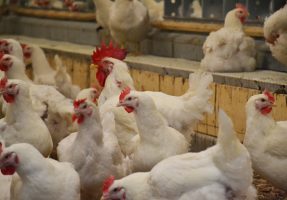
Three farms in Abbotsford and Chilliwack have been hit with highly pathogenic H5N1 avian influenza. The affected farms include turkey, broiler, and egg operations. File

September 13, 2023 byPeter Mitham

The detection of highly pathogenic H5N1 avian influenza at a commercial poultry operation in the County of Warner, Alberta, on the Montana border is a grim reminder that the disease remains a going concern despite a period of relative calm since last winter.

BC reported its last case in April, with spring migrations not unleashing a new wave of cases despite fears expressed at the BC Poultry Conference in March.

While the lack of cases is good news following a harrowing fall last year that ultimately saw nearly 3.7 million birds affected, the recent report from Alberta is a reminder to producers to maintain strong biosecurity protocols.

“The persistence of the virus in wildlife and recurrence of outbreaks globally, presents additional risks during the migratory bird season in North America later in 2023,” the National Collaborating Centre for Environmental Health in Vancouver advised in July.

It noted that the ongoing avian influenza outbreak, which began in late 2021, was persistent, “showing unprecedented spread through wild birds, poultry, and mammals in Canada and internationally.”

The persistence of the disease, and the ability of the virus to reassert, was particularly concerning.

“This suggests persistence of the virus among wild populations, and a need for continued vigilance among poultry and egg farmers,” the centre noted.

According to the Canadian Food Inspection Agency, the latest case in Alberta is the first reported in Canada since May. A primary control zone has yet to be established around the farm.
 

Related Posts

You may be interested in these posts from the same category.

Province funds avian flu upgrades

Red biosecurity remains for poultry

Vet urges dairies to be vigilant against HPAI

Avian flu response keeping pace

Bird flu returns

AI hit chick placement

Avian influenza grows

Federal funding for AI response

Avian influenza returns

BC’s chief veterinarian highlights key animal diseases

AI response in spotlight

Avian influenza threat looms

Previous Post: « Cherry promotion promising
Next Post: SAWP points to reforms »

Copyright © 2026 Country Life in BC · All Rights Reserved