
Quarterly data on farm input costs released by Statistics Canada on October 8 indicates surging costs over the past year.
The index of input costs for BC producers hit 175.1 at the end of June, the fourth consecutive quarterly increase since June 2025, when the index stood at 159.6, roughly where it was at the beginning of 2024.
General business costs posted marginal increases, while crop production and feed costs declined, but prices for many other key inputs rose as tariffs and knock-on effects from the US-Israel war on Iran took effect.
On the tariff front, machinery and vehicle costs increased to 205.3 at the end of the second quarter versus 170.9 a year earlier and 161.2 at the end of 2024.
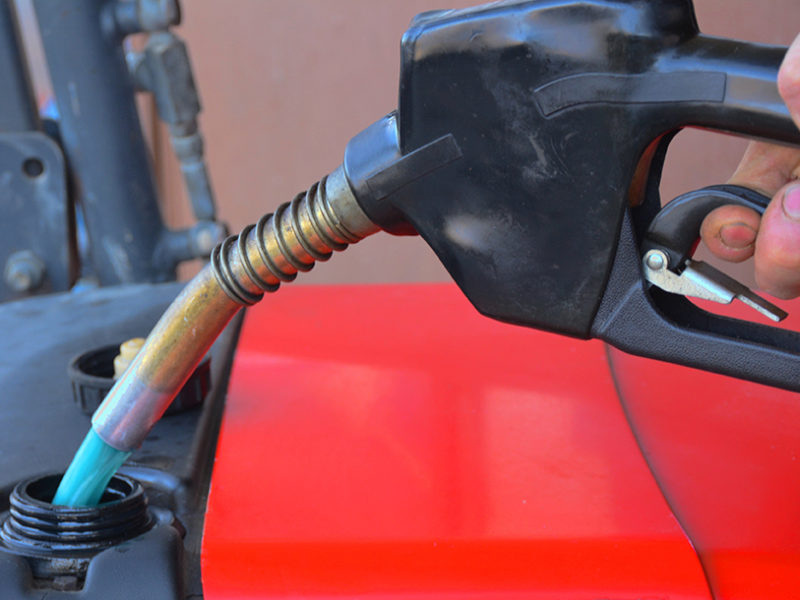
Since the end of March, fuel and fertilizer costs have skyrocketed. Fuel rose to an index level of 168.7 in the second quarter, up 30.6% from the previous quarter. This was up 45% from an index level of 116.5 a year earlier.
Nitrogen fertilizer costs increased to an index level of 185.7 in the second quarter, a 32% increase versus the previous quarter and 35% above a year earlier.
An analysis by Scotiabank describes the Iran war as delivering “more than a typical” shock to energy prices, with long-lasting and persistent effects.
“Pressures in food, shelter and other categories build with a 12-to-18-month lag as higher costs work their way through the supply chain,” it reported on October 5. “A longer-lasting shock would increase the risk of broader inflation pressure.”
Higher fuel costs have contributed to what many are calling the most expensive harvest in memory, but high costs are also biting producers seeking to protect themselves from losses.
Crop insurance and stabilization premiums have surged this year following a period of relative stability.
BC crop insurance premiums rose to an index level of 165.1 this year, up 21% from 136.4 last year. Stabilization premiums rose to 173.1, up 22.5% from 141.3 last year.
All content on this website is copyrighted, and cannot be republished or reproduced without permission.

 BC farmland values drop