• Menu
  • Skip to primary navigation
  • Skip to main content
  • Skip to primary sidebar

Country Life In BC Logo

The agricultural news source in British Columbia since 1915

  • Headlines
  • Calendar
  • Subscribe
  • Advertise
  • About
  • Archives
  • Contact
  • Search
  • Headlines
  • Calendar
  • Subscribe
  • Advertise
  • About
  • Archives
  • Contact
  • Search

Primary Sidebar

Current Issue:

JANUARY 2026
Vol. 112 Issue 1

Subscribe Now!

Sign up for free weekly FARM NEWS UPDATES

Select list(s) to subscribe to


By submitting this form, you are consenting to receive marketing emails from: Country Life in BC. You can revoke your consent to receive emails at any time by using the SafeUnsubscribe® link, found at the bottom of every email. Emails are serviced by Constant Contact
Your information will not be
shared or sold ever

Follow us on Facebook

Comments Box SVG iconsUsed for the like, share, comment, and reaction icons

13 hours ago

BC's minimum piece rates for 15 hand-harvested crops increased 2.6% on December 31. Crops include peaches, apricots, brussels sprouts, daffodils, mushrooms, apples, beans, blueberries, cherries, grapes, pears, peas, prune plums, raspberries and strawberries. Farm-worker piece rates in BC were increased by 11.5% in January 2019 and 6.9% in December 2024. BC’s current minimum wage sits at $17.85 per hour.

#BCAg
... See MoreSee Less

BCs minimum piece rates for 15 hand-harvested crops increased 2.6% on December 31. Crops include peaches, apricots, brussels sprouts, daffodils, mushrooms, apples, beans, blueberries, cherries, grapes, pears, peas, prune plums, raspberries and strawberries. Farm-worker piece rates in BC were increased by 11.5% in January 2019 and 6.9% in December 2024. BC’s current minimum wage sits at $17.85 per hour. 

#BCAg
View Comments
  • Likes: 6
  • Shares: 0
  • Comments: 2

Comment on Facebook

I'm not sure what they're telling us. Did peace rates have to increase so that Farm workers could make minimum wage?

They deserve it, but the general public will be whining about increased prices in the stores. Will need to make more information average to the g.p.

2 days ago

... See MoreSee Less

View Comments
  • Likes: 10
  • Shares: 0
  • Comments: 0

Comment on Facebook

1 week ago

... See MoreSee Less

View Comments
  • Likes: 7
  • Shares: 0
  • Comments: 0

Comment on Facebook

3 weeks ago

Water volumes from the Nooksack River are at levels similar to 1990 and 2021, but the province says flows should peak at 10pm tonight. The shorter duration, as well as conditions in other watercourses within the watershed and performance of flood protection infrastructure should avoid a catastrophe on the scale of 2021. However, several landslides mean road closures have once again effectively isolated the Lower Mainland from the rest of the province.

#BCag
... See MoreSee Less

Water volumes from the Nooksack River are at levels similar to 1990 and 2021, but the province says flows should peak at 10pm tonight. The shorter duration, as well as conditions in other watercourses within the watershed and performance of flood protection infrastructure should avoid a catastrophe on the scale of 2021. However, several landslides mean road closures have once again effectively isolated the Lower Mainland from the rest of the province.

#BCAg
View Comments
  • Likes: 9
  • Shares: 3
  • Comments: 1

Comment on Facebook

Family living in Sumas WA say it's very much like '21. They have the same amount of water in their house as last time.

1 month ago

... See MoreSee Less

View Comments
  • Likes: 4
  • Shares: 0
  • Comments: 0

Comment on Facebook

Subscribe | Advertise

The agricultural news source in British Columbia since 1915
  • Email
  • Facebook

Bird flu hits Enderby farm

April 20, 2022 byPeter Mitham

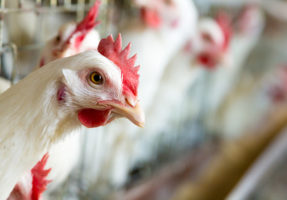
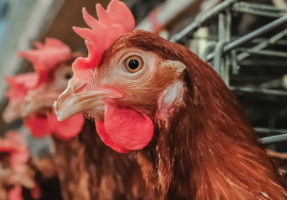
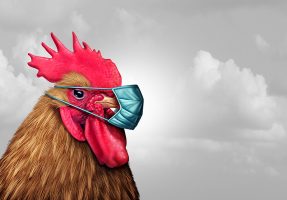
A broiler farm in the North Okanagan has been depopulated following the positive identification of the highly pathogenic H5N1 strain of avian influenza on April 13.

Preliminary tests at a lab in Burnaby returned positive results, and samples were sent to the Canadian Food Inspection Agency lab in Winnipeg for confirmation. (BC’s own Animal Health Centre lab remains closed as a result of last November’s floods.)

“CFIA is leading the investigation and response, with provincial support for testing, mapping, surveillance and disposal,” BC Agriculture Minister Lana Popham announced on April 14. “The ministry has also activated its emergency operations centre and will work with the CFIA, producers, industry and other stakeholders to effectively respond to this outbreak and any others that may occur in BC.”

The broiler farm, north of Enderby, is the only operation to have tested positive to date and is at the epicentre of a control zone CFIA established April 16 to prevent the spread of the disease.

“All movement of domestic birds in and out of and through a PCZ is strictly controlled and requires a permit from the CFIA,” staff with the agency say. “Movement restrictions also apply to poultry products and by-products, as well as material that has come into contact with domesticated birds.”

Contravening the order is a federal offence.

The province is encouraging poultry owners, both commercial growers and small-lot owners to be vigilant. A provincial order requires commercial flocks across the province of 100 birds or more be kept indoors.

“All poultry producers, including backyard poultry owners, are advised to increase their biosecurity practices and to be vigilant and monitor for signs of avian influenza in their flocks,” says Popham.

Poultry, for the purposes of the order, include chickens, turkey, ducks and geese.

However, small-lot growers won a concession from the agriculture ministry permitting them to keep their flocks outdoors if their practices include pasture-based systems, multi-species production and on-farm slaughter. The exemption is contingent on producers following the Enhanced Biosecurity for Small-Scale Poultry Producers – Highly Pathogenic Avian Influenza guide provided by the BC Small Scale Meat Producers Association.

The order runs through May 13.

To date, cases of high-path avian influenza have been identified in seven provinces and have affected approximately 700,000 birds. The only provinces free of the disease this season include Manitoba, New Brunswick and PEI.

Ray Nickel of the BC Poultry Association says the situation could easily expand, which makes it important for all poultry owners to maintain strong biosecurity protocols.

In addition to keeping flocks indoors, growers should limit farm access to essential visitors only, provide a wash station for all vehicles entering the farm, avoid public gatherings, and shower before and after completing daily barn chores.
Related Posts

You may be interested in these posts from the same category.

CFIA reports low honey adulteration

Province funds avian flu upgrades

Red biosecurity remains for poultry

BC distanced from TB concerns

Vet urges dairies to be vigilant against HPAI

Avian flu response keeping pace

Bird flu returns

CFIA nabs Enderby abattoir

AI hit chick placement

BC control zones revoked

Avian influenza grows

Federal funding for AI response

Previous Post: « Vertical farms face regulation
Next Post: There is a future for BC’s apple industry »

Copyright © 2026 Country Life in BC · All Rights Reserved