• Menu
  • Skip to primary navigation
  • Skip to main content
  • Skip to primary sidebar

Country Life In BC Logo

The agricultural news source in British Columbia since 1915

  • Headlines
  • Calendar
  • Subscribe
  • Advertise
  • About
  • Archives
  • Contact
  • Search
  • Headlines
  • Calendar
  • Subscribe
  • Advertise
  • About
  • Archives
  • Contact
  • Search

Primary Sidebar

Current Issue:

DECEMBER 2025
Vol. 111 Issue 11

Subscribe Now!

Sign up for free weekly FARM NEWS UPDATES

Select list(s) to subscribe to


By submitting this form, you are consenting to receive marketing emails from: Country Life in BC. You can revoke your consent to receive emails at any time by using the SafeUnsubscribe® link, found at the bottom of every email. Emails are serviced by Constant Contact
Your information will not be
shared or sold ever

Follow us on Facebook

Comments Box SVG iconsUsed for the like, share, comment, and reaction icons

6 days ago

... See MoreSee Less

View Comments
  • Likes: 4
  • Shares: 0
  • Comments: 0

Comment on Facebook

6 days ago

On the last day of the BC Organic Conference, Thursday, Molly Thurston of Pearl Agricultural Consulting helped growers learn how to manage bugs such as codling moth, wireworm, and rootworm in organic growing systems. Her talk alongside Renee Prasad included hands-on activities in which participants checked out various traps and examined pests under microscopes. Be sure to look for more upcoming ag events on our online calendar at www.countrylifeinbc.com/calendar/

#BCAg
... See MoreSee Less

On the last day of the BC Organic Conference, Thursday, Molly Thurston of Pearl Agricultural Consulting helped growers learn how to manage bugs such as codling moth, wireworm, and rootworm in organic growing systems. Her talk alongside Renee Prasad included hands-on activities in which participants checked out various traps and examined pests under microscopes. Be sure to look for more upcoming ag events on our online calendar at www.countrylifeinbc.com/calendar/

#BCAg
View Comments
  • Likes: 15
  • Shares: 0
  • Comments: 0

Comment on Facebook

1 week ago

Well-known organic farmer and podcaster Jordan Marr gets interviewed by Country Life in BC’s own columnist and potato mavin Anna Helmer during the opening session of the BC Organic Conference at Harrison Hot Springs yesterday. Sessions run today (Wednesday) and Thursday and include organic and regenerative growing practices and expanding and advocating for the organic sector, all under the background of the newly launched Organic BC banner.

#BCAg
... See MoreSee Less

Well-known organic farmer and podcaster Jordan Marr gets interviewed by Country Life in BC’s own columnist and potato mavin Anna Helmer during the opening session of the BC Organic Conference at Harrison Hot Springs yesterday. Sessions run today (Wednesday) and Thursday and include organic and regenerative growing practices and expanding and advocating for the organic sector, all under the background of the newly launched Organic BC banner.

#BCAg
View Comments
  • Likes: 37
  • Shares: 2
  • Comments: 1

Comment on Facebook

Interested in finding out more about this

3 weeks ago

Today, we remember those who sacrificed their lives or their well-being for our freedom. Lest we forget. ... See MoreSee Less

Today, we remember those who sacrificed their lives or their well-being for our freedom. Lest we forget.
View Comments
  • Likes: 8
  • Shares: 0
  • Comments: 0

Comment on Facebook

1 month ago

FarmFolk CItyFolk is hosting its biennial BC Seed Gathering in Harrison Hot Springs November 27 and 28. Farmers, gardeners and seed advocates are invited to learn more about seed through topics like growing perennial vegetables for seed, advances in seed breeding for crop resilience, seed production as a whole and much more. David Catzel, BC Seed Security program manager with FF/CF will talk about how the Citizen Seed Trail program is helping advance seed development in BC. Expect newcomers, experts and seed-curious individuals to talk about how seed saving is a necessity for food security. ... See MoreSee Less

Link thumbnail

BC Seed Gathering - FarmFolk CityFolk

farmfolkcityfolk.ca

Save the date for our upcoming 2023 BC Seed Gathering happening this November 3rd and 4th at the Richmond Kwantlen Polytechnic University campus.
View Comments
  • Likes: 1
  • Shares: 0
  • Comments: 0

Comment on Facebook

Subscribe | Advertise

The agricultural news source in British Columbia since 1915
  • Email
  • Facebook

Farm compensation benchmarks set

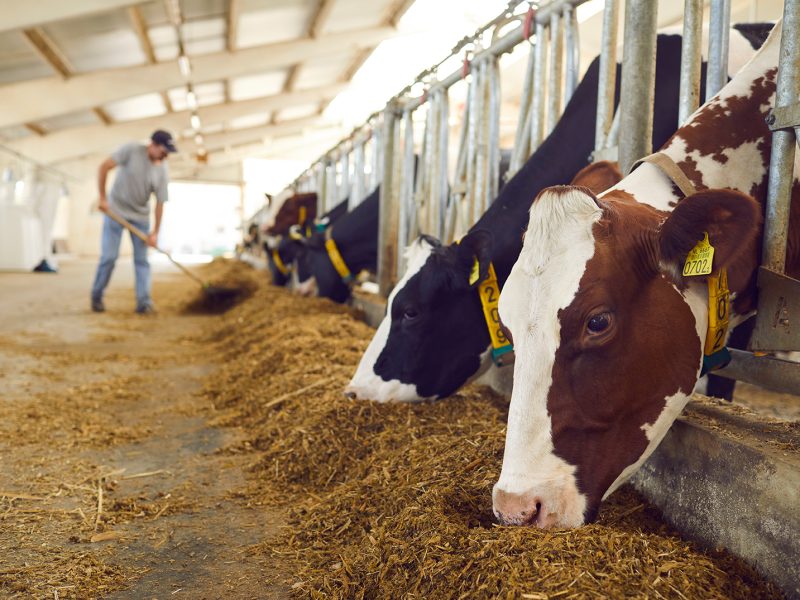
A study released May 22 indicates that the highest-paying commodity group across all job categories was grain & oilseed while dairy and apiculture ranked among the lowest. File photo.

May 22, 2024 byPeter Mitham

Results of a new Canadian Agricultural Human Resource Council wage study highlight opportunities to improve on-farm compensation practices.

The study, released May 22, drew on 609 employees across 140 organizations. It indicates that the highest-paying commodity group across all job categories was grain & oilseed while dairy and apiculture ranked among the lowest.

“The weighted average for the farm manager role ranged from $29.56 to $37.95 and the median ranged from $30 to $39.90. Grain & oilseed paid the highest weighted average and median for farm managers,” the report stated. “Dairy paid the lowest farm manager wage across all industries by an estimated $4 an hour.”

With respect to farm workers, the median pay rates ranged from $18 to $28 an hour with apiculture paying the least and grain & oilseed paying the most. Dairy paid a median wage of $20 an hour.

General farm labourers, the lowest paid category overall, again received the highest median pay in the grain & oilseed sector ($21.67 an hour) while apiculture paid the least ($16.50 an hour).

The low wages in dairy and apiculture weren’t necessarily offset by non-monetary compensation like health and dental plans. While more than half of organizations surveyed indicate they offer these, dairy and apiculture were the least likely. In fact, more than 70% of dairy businesses offered these benefits.

The most common benefit was training and development, at 87% of employers.

Results weren’t broken out by province, but starting wages in BC have tended to be above $18 an hour, according to Statistics Canada data collected through last fall.

However, there are some notable differences in BC.

BC indexes its minimum wage to inflation, and the next increase on June 1 will see the rate rise 4% to $17.40 an hour. Most employers pay well above this in order to secure workers.

Provincial legislation also mandates sick days for all full and part-time employees.

This spring, the BC Agriculture Council launched a benefits program to make it easier for sector employers to support, attract and retain workers.

CAHRC said its own study, based on data from 2023, can help to close the labour gap facing farmers by giving them a better understanding of compensation practices and tweaking their own to cultivate a co-dependent relationship with staff.

“Providing essential compensation data resources to all industry producers is a critical step to attracting top talent, retaining current experienced talent and bettering careers in the agriculture industry,” the study concluded. “Rethinking the standard approaches of how employees are compensated and supported through benefits can serve to improve the current agriculture labour market shortages.”

Related Posts

You may be interested in these posts from the same category.

Domestic labour gap grows

Industry looks to move needle on labour shortage

Farm workforce shortfall

BCAC meetings bear fruit

Province defrays COVID-19 costs

Growers anxious about labour

SAWP requirements waived

Previous Post: « Senate report on TFWs
Next Post: Peace prepares for active fire season »

Copyright © 2025 Country Life in BC · All Rights Reserved