• Menu
  • Skip to primary navigation
  • Skip to main content
  • Skip to primary sidebar

Country Life In BC Logo

The agricultural news source in British Columbia since 1915

  • Headlines
  • Calendar
  • Subscribe
  • Advertise
  • About
  • Archives
  • Contact
  • Search
  • Headlines
  • Calendar
  • Subscribe
  • Advertise
  • About
  • Archives
  • Contact
  • Search

Primary Sidebar

Current Issue:

APRIL 2026
Vol. 112 Issue 4

Subscribe Now!

Sign up for free weekly FARM NEWS UPDATES

Loading form…

Your information will not be
shared or sold ever

Follow us on Facebook

Comments Box SVG iconsUsed for the like, share, comment, and reaction icons

20 hours ago

According to the BC River Forecast Centre, the Okanagan snowpack stood at just 58% of normal on April 1 — the lowest reading since measurements began in 1980 — raising concerns about drought conditions in the region this summer. The rest of the province sits at 92% of normal.

#BCAg
... See MoreSee Less

According to the BC River Forecast Centre, the Okanagan snowpack stood at just 58% of normal on April 1 — the lowest reading since measurements began in 1980 — raising concerns about drought conditions in the region this summer. The rest of the province sits at 92% of normal.

#BCAg
View Comments
  • Likes: 3
  • Shares: 0
  • Comments: 0

Comment on Facebook

2 days ago

At her first AGM as executive director of BC Meats, held Saturday in Abbotsford, Jennifer Busmann spoke about her strong ties to agriculture and her optimism for the organization's future. Busmann has cattle of her own and came to the role with existing relationships with members and the board of directors that helped her feel integrated from the start. She stepped into the position in Februa#BCAg#BCAg ... See MoreSee Less

At her first AGM as executive director of BC Meats, held Saturday in Abbotsford, Jennifer Busmann spoke about her strong ties to agriculture and her optimism for the organizations future. Busmann has cattle of her own and came to the role with existing relationships with members and the board of directors that helped her feel integrated from the start. She stepped into the position in February.

#BCAg
View Comments
  • Likes: 6
  • Shares: 0
  • Comments: 0

Comment on Facebook

4 days ago

Shannon Wiggins of Headwind Farm in North Saanich is this year's Mary Forstbauer Grant recipient from the BC Association of Farmers Markets. The $500 grant will help Wiggins expand her plot at Sandown Centre for Regenerative Agriculture, growing more storage crops to extend her harvest season. Wiggins credits farmers markets with inspiring her own farming journey and commitment to building community through food. Congratulations!

tinyurl.com/45bdd#BCAg#BCAg
... See MoreSee Less

Shannon Wiggins of Headwind Farm in North Saanich is this years Mary Forstbauer Grant recipient from the BC Association of Farmers Markets. The $500 grant will help Wiggins expand her plot at Sandown Centre for Regenerative Agriculture, growing more storage crops to extend her harvest season. Wiggins credits farmers markets with inspiring her own farming journey and commitment to building community through food. Congratulations!

https://tinyurl.com/45bddtw8

#BCAg
View Comments
  • Likes: 45
  • Shares: 2
  • Comments: 3

Comment on Facebook

Wahoo! Congrats Shannon! I love your produce. Can’t wait for the radishes 🫜

Congratulations!

Well done!! 🩷🩷🩷

5 days ago

New farmers can avoid costly mistakes by learning from those who've been there. At a Young Agrarians mixer in Penticton, five BC farmers shared hard-won lessons on pricing, pivoting, relationships and burnout. From coyote losses to business burnout, their message was clear: set prices that reflect true costs, make decisions quickly and don't let farming define your worth. Myrna Stark Leader's story appears in our April e-edition, now available to view online at: tinyurl#BCAg2uw53vvm

#BCAg
... See MoreSee Less

New farmers can avoid costly mistakes by learning from those whove been there. At a Young Agrarians mixer in Penticton, five BC farmers shared hard-won lessons on pricing, pivoting, relationships and burnout. From coyote losses to business burnout, their message was clear: set prices that reflect true costs, make decisions quickly and dont let farming define your worth. Myrna Stark Leaders story appears in our April e-edition, now available to view online at: https://tinyurl.com/2uw53vvm

#BCAg
View Comments
  • Likes: 15
  • Shares: 0
  • Comments: 0

Comment on Facebook

7 days ago

War in the Middle East is delivering a generational shock to BC farm input costs, with nitrogen fertilizer prices already 60% above pre-pandemic levels and rising fast. Okanagan Fertilizer president Ken Clancy says supply shortfalls are expected as Strait of Hormuz shipping disruptions tighten global supplies and demand surges. BCAC says it's monitoring the situation and ready to advocate for government relief measur#BCAg#BCAg ... See MoreSee Less

Link thumbnail

Fertilizer, fuel costs soar amid Iran conflict

www.countrylifeinbc.com

ENDERBY – War in the Middle East has delivered a generational shock to energy prices, meaning BC farmers can expect a prolonged period of higher costs, not just for fuel but also for fertilizer.
View Comments
  • Likes: 1
  • Shares: 1
  • Comments: 0

Comment on Facebook

Subscribe | Advertise

The agricultural news source in British Columbia since 1915
  • Email
  • Facebook

Farm compensation benchmarks set

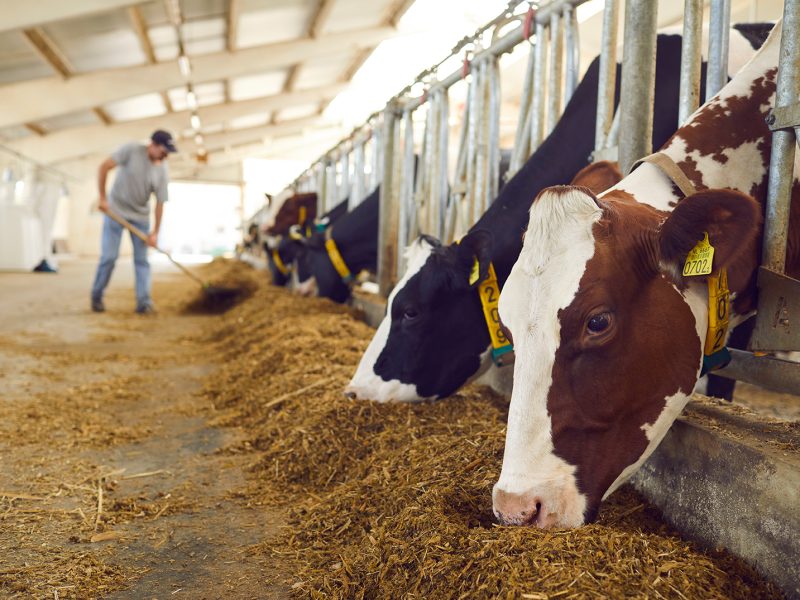
A study released May 22 indicates that the highest-paying commodity group across all job categories was grain & oilseed while dairy and apiculture ranked among the lowest. File photo.

May 22, 2024 byPeter Mitham

Results of a new Canadian Agricultural Human Resource Council wage study highlight opportunities to improve on-farm compensation practices.

The study, released May 22, drew on 609 employees across 140 organizations. It indicates that the highest-paying commodity group across all job categories was grain & oilseed while dairy and apiculture ranked among the lowest.

“The weighted average for the farm manager role ranged from $29.56 to $37.95 and the median ranged from $30 to $39.90. Grain & oilseed paid the highest weighted average and median for farm managers,” the report stated. “Dairy paid the lowest farm manager wage across all industries by an estimated $4 an hour.”

With respect to farm workers, the median pay rates ranged from $18 to $28 an hour with apiculture paying the least and grain & oilseed paying the most. Dairy paid a median wage of $20 an hour.

General farm labourers, the lowest paid category overall, again received the highest median pay in the grain & oilseed sector ($21.67 an hour) while apiculture paid the least ($16.50 an hour).

The low wages in dairy and apiculture weren’t necessarily offset by non-monetary compensation like health and dental plans. While more than half of organizations surveyed indicate they offer these, dairy and apiculture were the least likely. In fact, more than 70% of dairy businesses offered these benefits.

The most common benefit was training and development, at 87% of employers.

Results weren’t broken out by province, but starting wages in BC have tended to be above $18 an hour, according to Statistics Canada data collected through last fall.

However, there are some notable differences in BC.

BC indexes its minimum wage to inflation, and the next increase on June 1 will see the rate rise 4% to $17.40 an hour. Most employers pay well above this in order to secure workers.

Provincial legislation also mandates sick days for all full and part-time employees.

This spring, the BC Agriculture Council launched a benefits program to make it easier for sector employers to support, attract and retain workers.

CAHRC said its own study, based on data from 2023, can help to close the labour gap facing farmers by giving them a better understanding of compensation practices and tweaking their own to cultivate a co-dependent relationship with staff.

“Providing essential compensation data resources to all industry producers is a critical step to attracting top talent, retaining current experienced talent and bettering careers in the agriculture industry,” the study concluded. “Rethinking the standard approaches of how employees are compensated and supported through benefits can serve to improve the current agriculture labour market shortages.”

All content on this website is copyrighted, and cannot be republished or reproduced without permission.

Related Posts

You may be interested in these posts from the same category.

BC women break barriers in agriculture

Domestic labour gap grows

Industry looks to move needle on labour shortage

Farm workforce shortfall

BCAC meetings bear fruit

Province defrays COVID-19 costs

Growers anxious about labour

SAWP requirements waived

Previous Post: « Senate report on TFWs
Next Post: Peace prepares for active fire season »

© 2026 COUNTRY LIFE IN BC - ALL RIGHTS RESERVED