• Menu
  • Skip to primary navigation
  • Skip to main content
  • Skip to primary sidebar

Country Life In BC Logo

The agricultural news source in British Columbia since 1915

  • Headlines
  • Calendar
  • Subscribe
  • Advertise
  • About
  • Archives
  • Contact
  • Search
  • Headlines
  • Calendar
  • Subscribe
  • Advertise
  • About
  • Archives
  • Contact
  • Search

Primary Sidebar

Originally published:

October 2018
Vol. 104 Issue 10

Subscribe Now!

Sign up for free weekly FARM NEWS UPDATES

Loading form…

Your information will not be
shared or sold ever

Stories In This Edition

Sheep thrills

Farm employers on edge

Right-to-farm case upheld

Snow puts the brakes on Peace grain harvest

Editorial: The hands that feed us

Back Forty: Saving farmland fruitless without water

Op Ed: US could learn a thing (or two) from Canada

Piece-rate study sets stage for payday changes

Photo: Day at the Farm

Berry growers report decent growing season

FIRB posed to set live BC chicken prices – again

BCYAF grants support key 4-H initiatives

Cherry growers hit hardest by wildfire smoke

Ag Briefs: Winner

Ag Briefs: Right to Farm Act review cancelled

Local governments can’t undermine ALR rules

Winfield grower has ambitious cannabis plans

Province funds land-matching program

BC Fresh expands to meet national demand

Challenging year fails to daunt new producer

Corn trials focus on lower heat units for BC

When the right thing turns out to be wrong

Wildfires prompt local response planning

Mixer-feeder offers all-in-one feeding option

Non-traditional forage mixtures promising

Small farmers network targets knowledge gap

Hazelnut renewal enters second phase

Research: Scratch that itch

Partners announced for farmers’ market trail

FV land limitations means higher density

Fair lives up to its farm roots

Pumpkin growers use crop to reach out to public

Wannabe Farmer: The usual gives plenty of cause for thanks

Woodshed: Wishful thinking as Caribbean holiday nears

Jude’s Kitchen: Fall heralds heartier meals, yummy appies


All content on this website is copyrighted, and cannot be republished or reproduced without permission.

More Headlines

Follow us on Facebook

Comments Box SVG iconsUsed for the like, share, comment, and reaction icons

1 day ago

A draft update to the Code of Practice for the Care and Handling of Beef Cattle is now open for public comment until June 12. The code, one of 14 animal care codes developed and maintained by the National Farm Animal Care Council, is undergoing a routine 10-year review. "Your feedback will help shape the industry's guide to cattle welfare for the next decade," says Canadian Cattle Association policy manager Jessica Radau, urging producers to weigh in. For more information, visit tinyurl.com/58a3u9fz.

#BCAg
... See MoreSee Less

A draft update to the Code of Practice for the Care and Handling of Beef Cattle is now open for public comment until June 12. The code, one of 14 animal care codes developed and maintained by the National Farm Animal Care Council, is undergoing a routine 10-year review.  Your feedback will help shape the industrys guide to cattle welfare for the next decade, says Canadian Cattle Association policy manager Jessica Radau, urging producers to weigh in. For more information, visit https://tinyurl.com/58a3u9fz.

#BCAg
View Comments
  • Likes: 3
  • Shares: 2
  • Comments: 1

Comment on Facebook

I sat in the webinar yesterday by the Canadian Cattle Association. My initial concern was that this would be another "play" into the government's hands. It has been worked on by people that are actually in the Beef industry from Cow calf to feedlot. The thrust is an update of the 2013 Code of Practice which was reviewed in 2018. The changes are more a move from "left to the producers discretion" to clearer directions regarding pain management, proper transport of animals which are impaired and keeping cattle in in good condition. Much of what is recommended is what producers who care about animal husbandry already do. The important part is to GIVE THEM FEEDBACK good, bad or otherwise. The document is about 60 pages long, and I ran it through CHAT to see what had been changed. It is important to understand that the PUBLIC is invited to comment on the draft not just producers. Think about it... do you really want the public influencing how you manage your cattle. If you think that this is just one of those things, I have been following Bill 22 in Alberta which will grant the SPCA a proactive roll in entering farms and checking on animals. When I asked CHAT how the new bill relates to the Cattle Code, it came back that the Code although not a regulation will be able to be used as a guide by producers for backup in dealing with the SPCA regarding cattle conditions, sick animal handling etc. Take the time.... Go onto the Canadian Cattle Association website and speak to those parts that you wish to input.

3 days ago

According to the BC River Forecast Centre, the Okanagan snowpack stood at just 58% of normal on April 1 — the lowest reading since measurements began in 1980 — raising concerns about drought conditions in the region this summer. The rest of the province sits at 92% of normal.

#BCAg
... See MoreSee Less

According to the BC River Forecast Centre, the Okanagan snowpack stood at just 58% of normal on April 1 — the lowest reading since measurements began in 1980 — raising concerns about drought conditions in the region this summer. The rest of the province sits at 92% of normal.

#BCAg
View Comments
  • Likes: 3
  • Shares: 0
  • Comments: 0

Comment on Facebook

3 days ago

At her first AGM as executive director of BC Meats, held Saturday in Abbotsford, Jennifer Busmann spoke about her strong ties to agriculture and her optimism for the organization's future. Busmann has cattle of her own and came to the role with existing relationships with members and the board of directors that helped her feel integrated from the start. She stepped into the position in Februa#BCAg#BCAg ... See MoreSee Less

At her first AGM as executive director of BC Meats, held Saturday in Abbotsford, Jennifer Busmann spoke about her strong ties to agriculture and her optimism for the organizations future. Busmann has cattle of her own and came to the role with existing relationships with members and the board of directors that helped her feel integrated from the start. She stepped into the position in February.

#BCAg
View Comments
  • Likes: 6
  • Shares: 0
  • Comments: 0

Comment on Facebook

6 days ago

Shannon Wiggins of Headwind Farm in North Saanich is this year's Mary Forstbauer Grant recipient from the BC Association of Farmers Markets. The $500 grant will help Wiggins expand her plot at Sandown Centre for Regenerative Agriculture, growing more storage crops to extend her harvest season. Wiggins credits farmers markets with inspiring her own farming journey and commitment to building community through food. Congratulations!

tinyurl.com/45bdd#BCAg#BCAg
... See MoreSee Less

Shannon Wiggins of Headwind Farm in North Saanich is this years Mary Forstbauer Grant recipient from the BC Association of Farmers Markets. The $500 grant will help Wiggins expand her plot at Sandown Centre for Regenerative Agriculture, growing more storage crops to extend her harvest season. Wiggins credits farmers markets with inspiring her own farming journey and commitment to building community through food. Congratulations!

https://tinyurl.com/45bddtw8

#BCAg
View Comments
  • Likes: 50
  • Shares: 2
  • Comments: 3

Comment on Facebook

Wahoo! Congrats Shannon! I love your produce. Can’t wait for the radishes 🫜

Congratulations!

Well done!! 🩷🩷🩷

7 days ago

New farmers can avoid costly mistakes by learning from those who've been there. At a Young Agrarians mixer in Penticton, five BC farmers shared hard-won lessons on pricing, pivoting, relationships and burnout. From coyote losses to business burnout, their message was clear: set prices that reflect true costs, make decisions quickly and don't let farming define your worth. Myrna Stark Leader's story appears in our April e-edition, now available to view online at: tinyurl#BCAg2uw53vvm

#BCAg
... See MoreSee Less

New farmers can avoid costly mistakes by learning from those whove been there. At a Young Agrarians mixer in Penticton, five BC farmers shared hard-won lessons on pricing, pivoting, relationships and burnout. From coyote losses to business burnout, their message was clear: set prices that reflect true costs, make decisions quickly and dont let farming define your worth. Myrna Stark Leaders story appears in our April e-edition, now available to view online at: https://tinyurl.com/2uw53vvm

#BCAg
View Comments
  • Likes: 15
  • Shares: 0
  • Comments: 0

Comment on Facebook

Subscribe | Advertise

The agricultural news source in British Columbia since 1915
  • Email
  • Facebook

FIRB poised to set live BC chicken prices – again

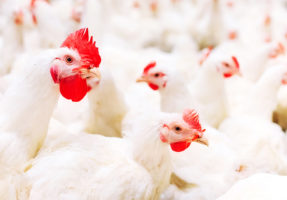
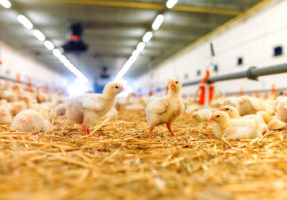
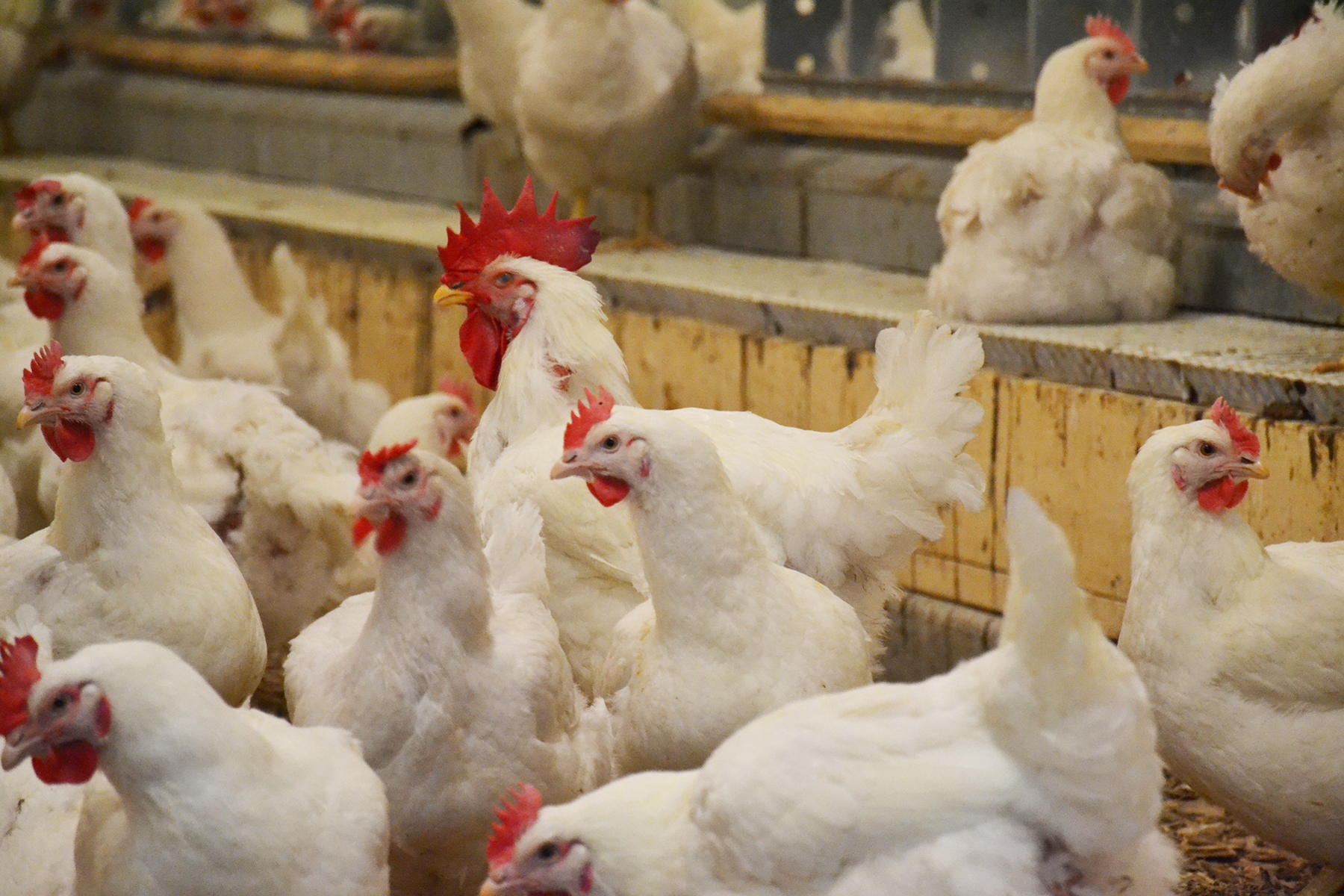
Poultry associations at odds over how best to price birds as production stays high

October 2, 2018 byDavid Schmidt

ABBOTSFORD – People often say a good deal is one that neither side likes. If that is true, the BC Chicken Marketing Board’s latest pricing formula must be a great deal.

Introduced in mid-June, the formula determines prices from period A151 (beginning July 8, 2018) to period A156 (ending June 8, 2019).

Both the Primary Poultry Processors Association of BC and the BC Chicken Growers Association have appealed the formula to the BC Farm Industry Review Board, with the BC Broiler Hatching Egg Producers Association applying for intervenor status in the appeals. FIRB has decided to combine both appeals into a single hearing, meaning that, ultimately, FIRB will again determine live chicken pricing in BC.

FIRB set aside the first five days of October and the first two days of November for the hearings but even seven days may not be enough, BCCMB manager Bill Vanderspek told chicken growers at their regular meeting in Abbotsford, September 12. He pointed out the PPPABC, BCCGA and BCCMB each expect to have two independent expert witnesses testify at the hearings.

PPPABC is asking the BC live price to match Ontario’s plus a fixed differential of 6.5¢/kg for a period of three years. BCCGA is asking for the formula to include 100% of the difference in feed costs between Ontario and BC instead of the 75% it now includes. It also wants the modular loading cost-recovery premium of 1.2¢/kg included in the formula, as it was in the previous formula.

The pricing appeal is not the only appeal BCCGA is launching. BCCGA president Dale Krahn told growers the association intends to appeal a BCCMB decision not to fund a feasibility study into a grower-owned hatchery and/or processing plant unless it can convince the board to reverse its decision. He noted growers overwhelmingly supported the feasibility study at their June meeting.

In a closed portion of the June meeting, growers had also discussed tips on growing chicken. Krahn said the discussion was “very useful.”

“We are in this together and I’d like you all to share how you grow better chicken,” Krahn told growers, saying the association is planning a confidential online survey as a follow-up to the discussion.

Maximum mortality rates

Growing better chicken is critical since Chicken Farmers of Canada will be instituting a maximum mortality rate into its animal care program at the end of the year. The new rules would require growers to take corrective action if more than one consecutive flock has mortalities above the national average of 4.25% for a 38-day bird. Failure to take action could also result in growers losing their high-density designation.

Many growers complained about the requirement, saying few of their flocks have mortality rates below 4.25%.

Vanderspek noted this is a national standard.

“[It is] not intended to penalize anyone for problems in the barn. The key is undocumented mortalities,” he said.

“If you have high mortalities, send your birds to the lab and try to understand what’s happening,” added BCCMB inspector Jason Maarhuis.

One grower told the board growers aren’t the only ones to blame.

“You also have to look at hatcheries. They have to be accountable, too,” she said.

Mortalities may be high but that isn’t keeping production down. Vanderspek noted production from January to July was 10% higher than the previous year. In period A150, which ended July 7, BC was 2.89% over its allocation, leading to a $300,000 over-marketing levy from the CFC.

However, Vanderspek was unfazed by the penalty, telling growers it is “better for our province to be on the plus instead of the minus side of production.”


All content on this website is copyrighted, and cannot be republished or reproduced without permission.

Related Posts

You may be interested in these posts from the same category.

Maple Ridge farm fined for raw milk sales

Sheep commission considered

Comeau reappointed to milk board

Milk board undertakes review

Cocksure court naysays rooster

BC Milk caught out

BC FIRB challenges WMP plans

Bylaws seek to silence Salt Spring roosters

BC FIRB gets a good egg

AI response in spotlight

Whistleblowers at FIRB, ALC protected

Chicken growers on watch for avian influenza

Previous Post: « Wildfires prompt local response planning
Next Post: Farm employers on edge »

© 2026 COUNTRY LIFE IN BC - ALL RIGHTS RESERVED