• Menu
  • Skip to primary navigation
  • Skip to main content
  • Skip to primary sidebar

Country Life In BC Logo

The agricultural news source in British Columbia since 1915

  • Headlines
  • Calendar
  • Subscribe
  • Advertise
  • About
  • Archives
  • Contact
  • Search
  • Headlines
  • Calendar
  • Subscribe
  • Advertise
  • About
  • Archives
  • Contact
  • Search

Primary Sidebar

Originally published:

JANUARY / FEBRUARY 2025
Vol. 111 Issue 1

Subscribe Now!

Sign up for free weekly FARM NEWS UPDATES

Loading form…

Your information will not be
shared or sold ever

Stories In This Edition

Silver Lining

DCCs hit farms hard

Dairy producers on alert: AI

Popham picks up where she left off

Editorial: Staying connected

Back 40: Roots to growth in an agrarian community

Viewpoint: Polarized legislature offers industry an opportunity

Mega-barns on Delta farmland raise concerns

Sidebar: Noise concerns from air show

Dairy meetings look forward to more stable times

Ag Briefs: Property sales continue as fruit sector retrenches

Ag Briefs: Farm-class properties rise

Ag Briefs: Creston bee keeper wins award

Letter: Rural customers want telephone service from Telus, not innovation

Margins key as costs rise faster than revenues

Software aims to improve Interior food distribution

BC producer groups nourish the needy

AI puts the focus on waterfowl management

Prevention, control efforts go full boar

PAS Preview: Trade show features drone, AI supplies

Sidebar: Kick-off in style

Going with the flow

Sidebar: Berried treasure

Sidebar: Beyond the Lower Mainland

Common pressures face Canada’s farmland

Good job

Vineyards enter new year with recovery in sight

Sidebar: Relaxed rules give wineries production option

Culture change as winterkill chills industry

Farm Story: Plan B keeps the cash flowing through winter

BC Cattlemen’s holds townhalls with producers

Making memories

Fundamentals strong as ranchers enter a new year

Collaborative spirit buoys new winery

Little Cherry Disease going to the dogs

Woodshed: Kenneth heads to the barn to meet Rocket

Scale-model builder creates true-to-life farms

Jude’s Kitchen: Begin a new year with new flavours

All content on this website is copyrighted, and cannot be republished or reproduced without permission.
More Headlines

Follow us on Facebook

Comments Box SVG iconsUsed for the like, share, comment, and reaction icons

18 hours ago

UBC's Wine Research Centre brought together a dozen graduate students at Tantalus Winery in Kelowna on April 30 to share their latest research on viticulture and winemaking. Topics ranged from heat and drought stress on vines to natural yeast classification and cover crop pairings. The day opened with a vineyard tour highlighting sustainable practices already underway at the wine#BCAg#BCAg ... See MoreSee Less

UBCs Wine Research Centre brought together a dozen graduate students at Tantalus Winery in Kelowna on April 30 to share their latest research on viticulture and winemaking. Topics ranged from heat and drought stress on vines to natural yeast classification and cover crop pairings. The day opened with a vineyard tour highlighting sustainable practices already underway at the winery.

#BCAg
View Comments
  • Likes: 2
  • Shares: 1
  • Comments: 0

Comment on Facebook

6 days ago

Saskatchewan's Monette Farms, with nearly $1.1 billion in liabilities, has been granted creditor protection under the CCAA while it restructures. Rapid expansion into produce and cattle dragged earnings well below projections. The farm's BC cattle operation — and a planned West Kelowna winery — hang in the b#BCAge.

#BCAg
... See MoreSee Less

Link thumbnail

Monette Farms wins creditor protection

www.countrylifeinbc.com

Monette Farms’ rapidly expanding produce business was a key factor in its decision to seek protection from creditors last week, according to court documents. Saskatchewan-based Monette Farms was…
View Comments
  • Likes: 1
  • Shares: 0
  • Comments: 0

Comment on Facebook

1 week ago

A new national beef code of practice is open for public comment until June 12. Developed by NFACC and the Canadian Cattle Association, the draft addresses pain management, weaning, nutrition, lameness and end-of-life care.

#BCAg
... See MoreSee Less

Link thumbnail

New beef practices open for comment

www.countrylifeinbc.com

A new national code of practice for beef producers is open for public comment. “The public comment period is an important opportunity for producers across Canada to review the draft code and provide...
View Comments
  • Likes: 1
  • Shares: 0
  • Comments: 0

Comment on Facebook

2 weeks ago

The BC Ministry of Health has approved $4.25 million for the BC Farmers Market Nutrition Coupon Program, administered by the BC Association of Farmers Markets, for 2026. The funding is even with last year, and follows on $12 million provided in 2022-24. The funding is a cornerstone of BCAFM, providing eligible low-income, pregnant and senior individuals with $27 a week for purchases of locally grown produce at more than 100 participating farmers markets in 92 communities across BC. Funding has increased seven-fold since the program launched in 2012.

#BCAg
... See MoreSee Less

The BC Ministry of Health has approved $4.25 million for the BC Farmers Market Nutrition Coupon Program, administered by the BC Association of Farmers Markets, for 2026. The funding is even with last year, and follows on $12 million provided in 2022-24. The funding is a cornerstone of BCAFM, providing eligible low-income, pregnant and senior individuals with $27 a week for purchases of locally grown produce at more than 100 participating farmers markets in 92 communities across BC. Funding has increased seven-fold since the program launched in 2012.

#BCAg
View Comments
  • Likes: 1052
  • Shares: 388
  • Comments: 133

Comment on Facebook

It provides for more than produce. It includes, eggs, meat and honey!

Good program. Additionally, I toured the Kelowna Food bank yesterday. They are serving about 12,000 people a month. Lots are working people.

I have seen people at the Saanichton markets asking if vendors take the coupons and being embarrassed when the vendor says no. Are there signs that are placed on the tables so people know who is part of the program and who is not?

You would have a slim choice of meat if you only get $27.00 .

“While it’s unfortunate that programs like this are necessary, I’m grateful they exist to support families and local farmers.”

Food stamps?

This should be made a little more accessible, especially for seniors

What exactly is this and how does it work? I've never heard of it before. How does this get applied to us who it's intended to help?

Christy Sakai its a week and if you to the markets you can get a small bag of carrots 5bucks, a few potatoes, usually a bag of apples are 5 bucks, and in summer you have fruit choices. Yes doesn't seem like alot but it could be stretched at the markets and remember its a week so really ypu going to use the whole bag of carrots in a week, probably not so you have something for the next week. Heads of lettuce 5 bucks. Every little bit does help when it comes to supporting local farmer and family.

This program has helped me afford local produce, as a senior. I am grateful for the assistance and eat a healthier diet.

I have been a working poor and 🙏👍for recognizing the people who deserve a bit of help as they are doing the best they can 😘👍

This sounds a little more complicated to enroll in than it needs to be. A lot of people probably never heard of it, I only did because I read this post.

It is illegal for me to grow a garden . We can all afford to eat if we can grow.

How does a senior apply?

On my smalltown the food bank puts your name in a lottery for this Seniors included in lottery

Here are the general qualifications: Income Threshold: Generally for lower-income households. Some specific, local programs have identified a threshold of $27,000 or less for a single person or under $50,000 per year for a household. Targeted Groups: Participants must be seniors/elders, pregnant individuals, or families with children under 19. Participant Requirements: In addition to income, participants must: Participate in a food literacy program (e.g., cooking, gardening, or food budgeting). Be able to travel to a participating market to shop for themselves. Allocation: Because demand is high, coupons are often prioritized for new participants each year. Important Information: Coupons are not handed out by the BC Farmers' Markets directly. You must connect with a local community partner (such as a food bank, community centre, or neighbourhood house) to apply.

Glad to see this continue. With the increase in cost of living, this program should be increasing, not staying even with last year. Our local food bank is inundated with need.

It’s a great program. Too bad they won’t extend it to Farmstands as well. Some producers can’t make it to market because of work schedules. And there is more than just vegetables out there.

Where do people apply? Thinking of those I know who need this program.

Have you got an email yet?

I wish a person on disability could get the help too :(

What cities have this

I didn’t know that the program existed

Please if you have these coupons do not be embarrassed to use them they are a good as anyone's money to a grower! I would agree it is a slippery slope to have people pay with government coupons but Remember large scale agriculture is subsidized in this country in way that dwarfs this little program. We are all in a sense are paying with coupons at the big supermarket. As a small scale grower grower I can tell you when you see the higher prices at the farmers market, no one is getting rich off you. That is the true cost of food. Yes that should scare you

Excellent work, BC Ministry of Health! 👍👍👍 An amazing program

View more comments

3 weeks ago

KPU researcher Naomi Robert is partnering with Oregon State University's Dry Farming Collaborative to test drought-resilient growing practices across Vancouver Island and the Gulf Islands. Working with three market gardeners, the study found tomatoes and zucchini thrived without irrigation. With droughts intensifying across the Pacific Northwest, dry farming offers BC growers practical tools to adapt to a changing climate. The full story appears in our April edition. tinyurl.com/d2fzs#BCAg#BCAg ... See MoreSee Less

KPU researcher Naomi Robert is partnering with Oregon State Universitys Dry Farming Collaborative to test drought-resilient growing practices across Vancouver Island and the Gulf Islands. Working with three market gardeners, the study found tomatoes and zucchini thrived without irrigation. With droughts intensifying across the Pacific Northwest, dry farming offers BC growers practical tools to adapt to a changing climate. The full story appears in our April edition. https://tinyurl.com/d2fzs9x6

#BCAg
View Comments
  • Likes: 22
  • Shares: 5
  • Comments: 0

Comment on Facebook

Subscribe | Advertise

The agricultural news source in British Columbia since 1915
  • Email
  • Facebook

Hort workshops tackle water, pest and disease management

Going with the flow

January 1, 2025 byPeter Mitham

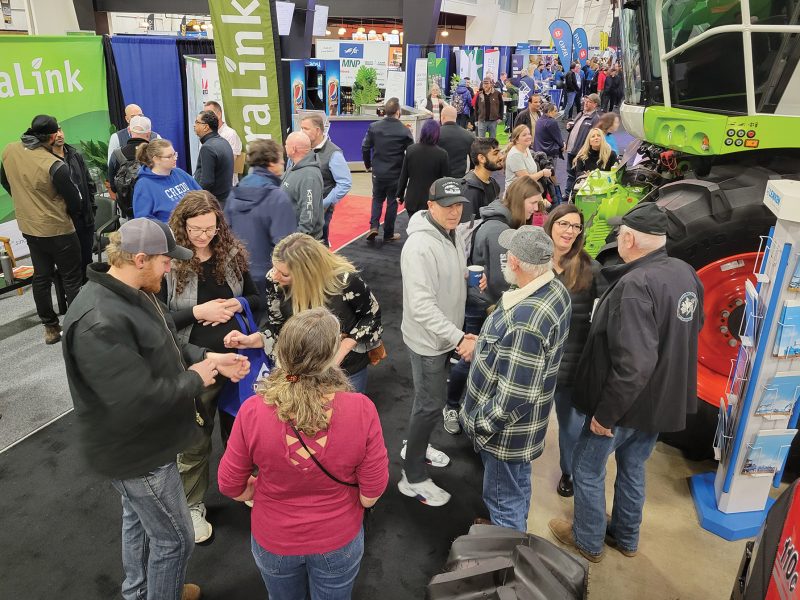
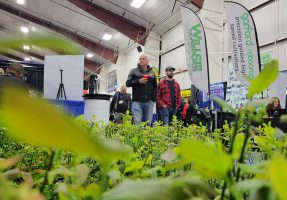
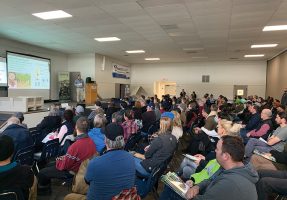
A key priority of the new provincial government when it comes to farmers and ranchers is water, and the Lower Mainland Horticultural Conference – organized by the province for the second year in a row this year – kicks off January 23 with an opening plenary dedicated to the topic.

University of the Fraser Valley assistant professor Chris Bodnar will lead the way with a presentation discussing how the agriculture sector can be a leader in water management, with a particular focus on the province’s nine-year-old water management regime. Sessions on soil moisture and irrigation management follow, while some participants may opt for the vegetable stream that digs into potato management or check out the farm business management sessions focused on managing teams and managing risk.

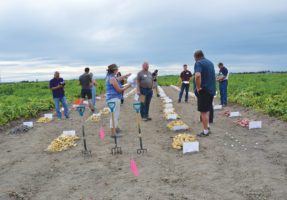
The vegetable stream flows throughout the day. The initial workshops on potatoes will review the results of the 2024 variety trials in Delta, pick up the water theme with a discussion of nutrient and water management and hear about blemish diseases such as scab, silver scurf and black dot from North Dakota State University researcher Gary Secor.

The afternoon sessions will treat field vegetable growers to presentations on pests and diseases, including cabbage root maggot and late blight, as well as tips on optimizing spray management. A panel discussion with representatives of Norseco, Stokes and West Coast Seeds will explore the options available to commercial growers in 2025, with a focus on the best options for local conditions.

Vegetables are a major focus of organic growers, as is pest and disease management in those crops given the limited number of acceptable options. While the toolbox for all growers is limited, organic growers face special needs. Mark Ledebuhr, principal consultant with Application Insight LLC of Lansing, Michigan, will discuss spray optimization in fruits and vegetables as well as strategies specific to organic systems. “Sprayers were never designed for modern organic materials, but that doesn’t mean they can’t be sprayed effectively,” he notes.

Tech check

The separate innovation day of years past is subsumed this year with the regular flow of the horticulture conference. Agritech has been a priority of the provincial government, which has supported a number of recent projects, and Bryan Wattie, director of agritech adoption at Innovate BC will moderate a panel discussion on Friday morning providing first-hand accounts of adopting technology from farmers themselves. Speakers include Chris Bodnar of Close to Home Organics in Abbotsford; Michel Van Eekelen, a partner in Van Eekelen Enterprises, also of Abbotsford; Andrew Budgell at Laughing Crow Organics in Pemberton and Raj Hayre, director of special projects at Randhawa Farms in Abbotsford. The discussion sets the stage for a second panel on the use of artificial intelligence (AI) to solve everyday challenges, improve efficiency, and transform farm operations. Panellists include berry grower Sukh Kahlon, plant propagator Leo Benne, greenhouse vegetable grower Ruben Houweling and Chris Payne, COO and CFO of 4ag Robotics, which has developed an autonomous mushroom harvester.

Of course, innovation takes money, and Farm Credit Canada will round out the morning with expert advice on preparing financially to acquire and deploy on-farm technology.

Hot house flourishes

Vertical farms have popularized the term controlled environment agriculture, but greenhouse growers have been controlling growing conditions for years with their technology-intensive systems.

Choosing the right technology that will maximize returns in the market is important, of course, and floriculture sessions on Friday morning will discuss marketplace trends for cut flower and nursery growers, as well as thrip-management strategies.

The focus will turn to greenhouse vegetables on Friday afternoon, with a mix of sessions focusing on managing diseases including greenhouse pepper fusarium rot and Tomato Brown Rugose Fruit Virus (ToBRFV) as well as the use of technology.

Yet management smarts come first, with Tim Dumas, executive strategy coach with BC-based Servus Leadership Inc. providing an overview of the business management skills and strategies that owners and operators of greenhouse vegetable facilities can utilize to run their businesses and manage their staff more effectively.

The afternoon sessions culminate in technologies for greenhouse growers. Well-known presenter Youbin Zheng from the University of Guelph will present on artificial intelligence applications in commercial greenhouses, while McGill University’s Mark Lefsrud will provide an update on current and upcoming options for substrate sensors to help greenhouse vegetable growers better understand their growing medium.

The day closes out with SFU professor Majid Bahrami reviewing the use of alternative energy sources in greenhouse vegetable production to reduce costs and increase efficiency of energy usage, as well as reduce greenhouse gas emissions.

Shell shocks

What does the year ahead hold for hazelnuts? Well-respected speaker Nik Wiman of Oregon State University will share management lessons from Willamette Valley growers on Friday afternoon while Kevin Hooge and Steve Hope of Fraser Valley Hazelnuts will offer a market outlook drawing on trends in local and international markets.

Following a short break, the importance of disease management as the resurgent threat of Eastern Filbert Blight looms will be on the agenda as well as lessons from Chile delivered by Jorge Mohr, co-founder of Chile’s Nefuen Trading.

Organic growth

Picking up where Thursday’s session on spraying practices left off, Saturday will offer a half-day of organic vegetable production sessions, including a session on controlling brassica diseases.

Nutrient management and estimating nitrogen release from cover crops will give growers time to geek out on understanding what’s in their soils and how to measure it.

Weed seeds are among the less desireable things that get into soils, and a panel discussion will cover off tractor-mounted weeding options, including both traditional options as well as robotic options.

Blue spread

Blueberries have typically been an all-day affair on the third day of workshops at the Pacific Agriculture Show, but the abbreviated schedule this year means the fun begins Friday, January 24 with sessions on field management beginning with this year’s top theme – water.

USDA research horticulturalist Dave Bryla will address the water needs of young blueberries, building on past sessions that focus on water uptake throughout the season under different circumstances.

Two sessions Friday afternoon on will focus on the assessment of fields, with Innova8.ag founder Steve Mantle discussing the US Highbush Blueberry Council’s BerrySmart project that aims at optimizing production, and Rick de Jong of Agro-K unpacking how nutrient sap analysis can contribute to better blueberry health and yields.

Blueberry health will continue to be in focus on Saturday, January 25, with sessions on blueberry scorch and a panel discussion on maintaining the health of new plantings.

But field health isn’t the only determinant of success: blueberries rely on bees, and pollination will be the topic of an hour’s worth of presentations on Saturday morning.

Of course, no blueberry session would be complete without an update from breeder Michael Dossett on variety development efforts, while Cort Brazelton returns with his take on global production and market trends.

Cream of the crop

This year marks the return of tours of Lower Mainland dairy farms the day before the Pacific Agriculture Show.

Prior to the pandemic, self-guided tours were a popular staple that gave farmers a chance to socialize and see what other local producers were doing to improve their operations.

This year, BC Dairy in partnership with Westgen has organized the WestGen Farm Tour for

January 22, billed as “an exclusive day of learning and innovation in dairy farming.”

A nominal fee of $20 buys participants a seat on the bus leaving WestGen’s headquarters in Abbotsford for four farms showcasing advances in dairy practices and technology. These include innovations related to herd health, robotics, manure management and the improvements possible when farms make the jump from bull breeding to artificial insemination powered by genomic testing.

The exact itinerary is subject to restrictions related to the ongoing avian influenza outbreak in the Fraser Valley. (The tour will respect control zones around infected poultry premises, while a positive bovine case would shut the event down entirely.)

The tour begins at 9 am and completes shortly before 4 pm, giving participants plenty of time to clean up for the BCAC Ag Gala that evening at the Clarion Hotel and Conference Centre.

Dairy producers will have a further chance for in-person learning and socializing the following day when BC Dairy hosts a hot buffet lunch for producers. The program, scheduled for 11:30 am-2 pm on January 23 in the FCC Lounge, features opportunities to learn about emergency management, the Temporary Foreign Worker Program and animal health.


All content on this website is copyrighted, and cannot be republished or reproduced without permission.
Related Posts

You may be interested in these posts from the same category.

Winter farm shows begin

Pacific Agriculture Show kicks off

Short course rebranded, again

Farmers question regenerative ag agenda

PAS kicks off

Province rebrands hort course

Show time!

BCAC gala goes online

Pacific Agriculture Show kicks off

Field days feeling the pinch of social distancing rules

PAS goes online

Previous Post: « Growers Supply property sold
Next Post: Kamloops reports Japanese beetle »

© 2026 COUNTRY LIFE IN BC - ALL RIGHTS RESERVED