• Menu
  • Skip to primary navigation
  • Skip to main content
  • Skip to primary sidebar

Country Life In BC Logo

The agricultural news source in British Columbia since 1915

  • Headlines
  • Calendar
  • Subscribe
  • Advertise
  • About
  • Archives
  • Contact
  • Search
  • Headlines
  • Calendar
  • Subscribe
  • Advertise
  • About
  • Archives
  • Contact
  • Search

Primary Sidebar

Current Issue:

JANUARY 2026
Vol. 112 Issue 1

Subscribe Now!

Sign up for free weekly FARM NEWS UPDATES

Select list(s) to subscribe to


By submitting this form, you are consenting to receive marketing emails from: Country Life in BC. You can revoke your consent to receive emails at any time by using the SafeUnsubscribe® link, found at the bottom of every email. Emails are serviced by Constant Contact
Your information will not be
shared or sold ever

Follow us on Facebook

Comments Box SVG iconsUsed for the like, share, comment, and reaction icons

3 days ago

BC's minimum piece rates for 15 hand-harvested crops increased 2.6% on December 31. Crops include peaches, apricots, brussels sprouts, daffodils, mushrooms, apples, beans, blueberries, cherries, grapes, pears, peas, prune plums, raspberries and strawberries. Farm-worker piece rates in BC were increased by 11.5% in January 2019 and 6.9% in December 2024. BC’s current minimum wage sits at $17.85 per hour.

#BCAg
... See MoreSee Less

BCs minimum piece rates for 15 hand-harvested crops increased 2.6% on December 31. Crops include peaches, apricots, brussels sprouts, daffodils, mushrooms, apples, beans, blueberries, cherries, grapes, pears, peas, prune plums, raspberries and strawberries. Farm-worker piece rates in BC were increased by 11.5% in January 2019 and 6.9% in December 2024. BC’s current minimum wage sits at $17.85 per hour. 

#BCAg
View Comments
  • Likes: 9
  • Shares: 0
  • Comments: 2

Comment on Facebook

I'm not sure what they're telling us. Did peace rates have to increase so that Farm workers could make minimum wage?

They deserve it, but the general public will be whining about increased prices in the stores. Will need to make more information average to the g.p.

5 days ago

... See MoreSee Less

View Comments
  • Likes: 11
  • Shares: 0
  • Comments: 0

Comment on Facebook

2 weeks ago

... See MoreSee Less

View Comments
  • Likes: 7
  • Shares: 0
  • Comments: 0

Comment on Facebook

4 weeks ago

Water volumes from the Nooksack River are at levels similar to 1990 and 2021, but the province says flows should peak at 10pm tonight. The shorter duration, as well as conditions in other watercourses within the watershed and performance of flood protection infrastructure should avoid a catastrophe on the scale of 2021. However, several landslides mean road closures have once again effectively isolated the Lower Mainland from the rest of the province.

#BCag
... See MoreSee Less

Water volumes from the Nooksack River are at levels similar to 1990 and 2021, but the province says flows should peak at 10pm tonight. The shorter duration, as well as conditions in other watercourses within the watershed and performance of flood protection infrastructure should avoid a catastrophe on the scale of 2021. However, several landslides mean road closures have once again effectively isolated the Lower Mainland from the rest of the province.

#BCAg
View Comments
  • Likes: 9
  • Shares: 3
  • Comments: 1

Comment on Facebook

Family living in Sumas WA say it's very much like '21. They have the same amount of water in their house as last time.

1 month ago

... See MoreSee Less

View Comments
  • Likes: 4
  • Shares: 0
  • Comments: 0

Comment on Facebook

Subscribe | Advertise

The agricultural news source in British Columbia since 1915
  • Email
  • Facebook

Ottawa designates 48 regions for livestock tax deferral

July 24, 2019 byPeter Mitham

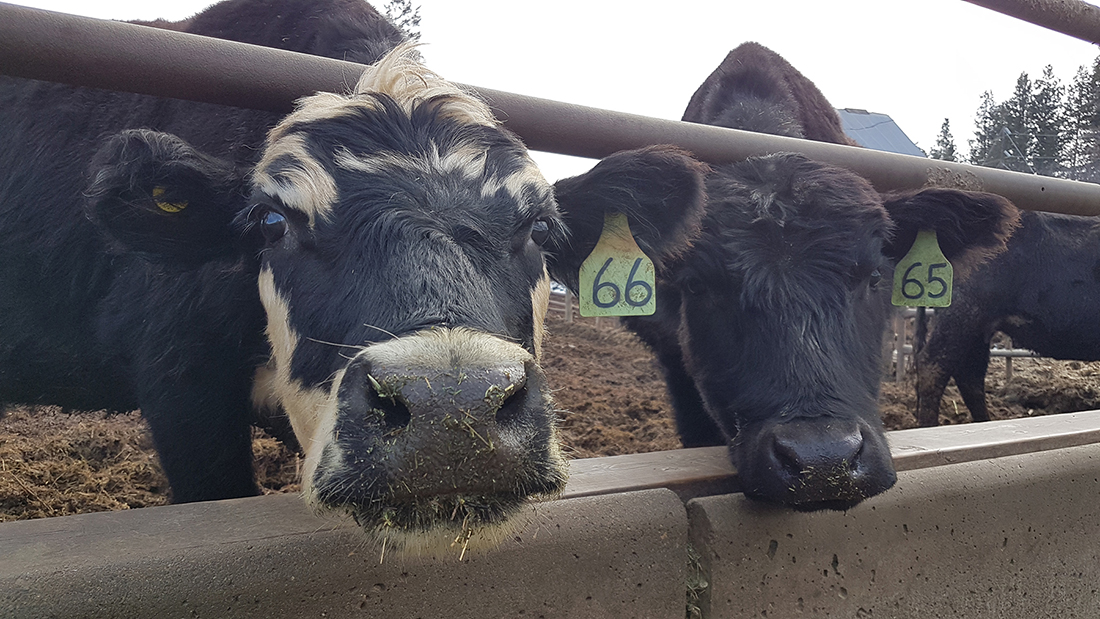
“Significant forage shortages” in 48 regions of BC have prompted the federal government to let livestock producers defer taxes on proceeds from the sale of breeding livestock in the 2019 tax year.

“Preliminary analysis indicates that livestock producers in Western Canada and Quebec are experiencing significant forage shortages due to drought conditions, supporting an early designation under the livestock tax deferral provision,” the federal announcement made July 21 said. In a nod to recent flooding in the Chilcotin, it noted that “excess moisture regions” are also considered eligible.

The regions in BC form a band across the north-central part of the province from Fort St. John to Haida Gwaii. Central and southern Vancouver Island are also included. (The full list and a map are available here: http://bit.do/2019-tax-deferral-map).

Designated regions are expected to harvest less than half their forage crop. The deferral provision allows them to defer income until the following tax year, when the cost of replacing animals sold the previous year can be claimed against sale proceeds.

The deferral provision was also available to producers in many of this year’s designated regions last year. In a few cases, this will be the fifth straight year in which forage levels have been 50% of normal and Ottawa has deemed them eligible to defer tax on the proceeds of livestock sales.
Related Posts

You may be interested in these posts from the same category.

Disaster preparedness lacking

Province pledges emergency funding

Farmers struggle to get insurance coverage Insurance

Insolvency concerns grow

Hurry up and wait

Don’t stress, plan

“Big number” tough to get

Cattle industry seeks cash

Federal assistance falls short

Going solo

Flood mitigation funding available

Apple growers fight low prices

Previous Post: « ALR acreage declines
Next Post: Ottawa targets trade issues »

Copyright © 2026 Country Life in BC · All Rights Reserved