
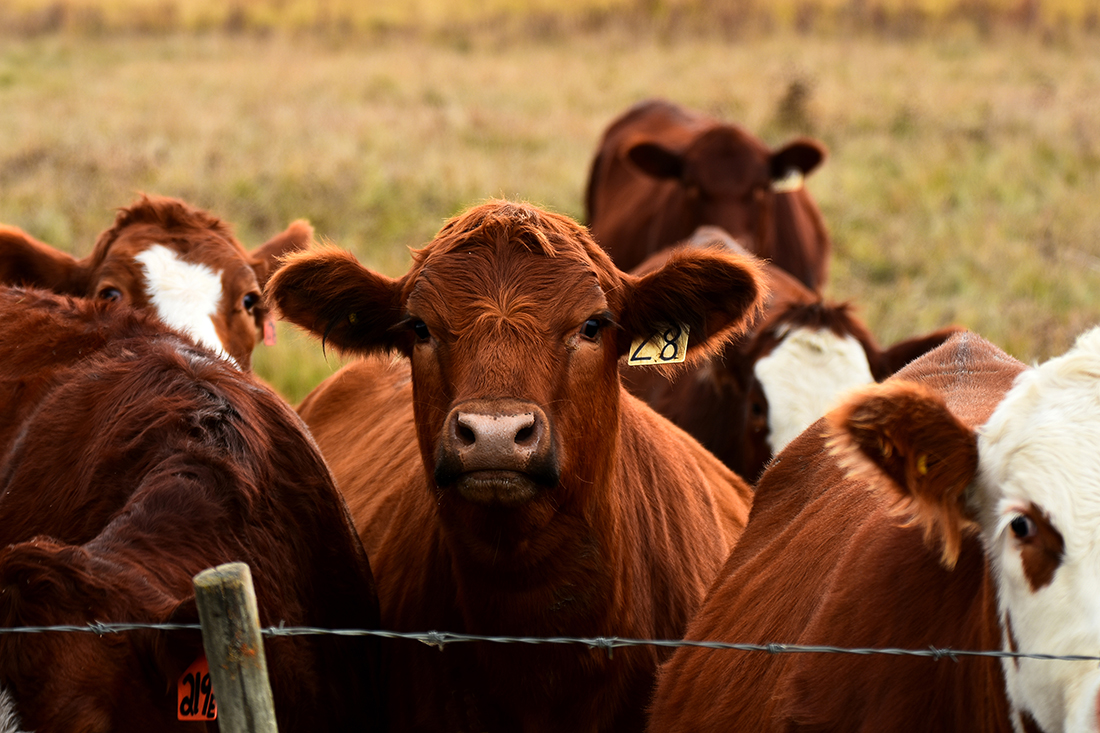
Dry conditions in wide swaths of eastern BC means ranchers in the regions can take advantage of the federal livestock tax deferral provision in 2025.
The provision is triggered when drought, excess moisture or flooding cause forage shortfalls of 50% or more.
On August 18, federal agriculture minister Heath MacDonald announced that the Northern Rockies census subdivision as well as much of the Peace River region as well as the East Kootenay A subdivision would be eligible, as well as eight adjacent buffer regions “to capture impacted producers who … may be experiencing similar conditions.”
“By offering a tax deferral option to those in affected areas, we are helping folks manage uncertainty, make informed business decisions, and safeguard their livelihoods,” said MacDonald in announcing the measure.
The provision allows livestock producers to defer a portion of their income from herd downsizing until the following tax year, when the purchase of replacement animals may offset income from livestock sales. Ranchers who sell at least 15% of their breeding herd qualify to take advantage of the provision.
Many of the regions have been designated for several years running. However, this year’s list is much shorter than last year, when 44 regions were eligible, and 2023, when 144 regions were eligible.
Ottawa will be adding further regions to this year’s list if conditions warrant.
BC Cattlemen’s Association is also monitoring the situation, inviting producers to provide feedback on the severity and extent of drought conditions throughout BC.
“We are collecting information such as forage yields, regional hay availability, feed prices, water availability and reservoir levels as well as impacts from forest fires,” it said in its weekly memo to producers last Friday.
Business risk management programs are also available to assist producers affected by extreme weather, the August 18 announcement noted.
To better address ongoing losses to farmgate revenue, federal-provincial-territorial ministers of agriculture agreed to raise the compensation rate for AgriStability from 80% to 90% this year following their meeting in July. The maximum payment limit will increase from $3 million to $6 million.


 Food costs in Conservative crosshairs