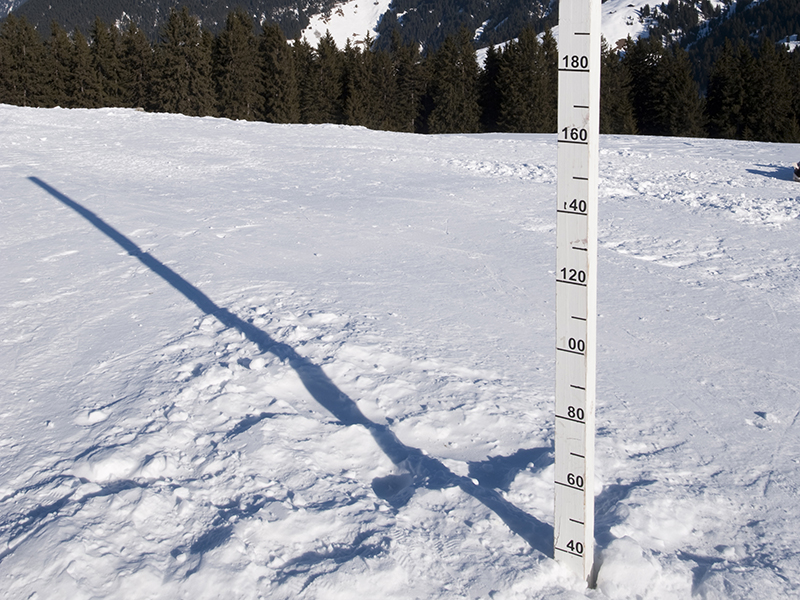
Drought isn’t top of mind for most people in the middle of winter, but staff at the province’s River Forecast Centre are keeping tabs on the snowpack, mindful of its importance to watersheds across the province.
While the provincial snowpack was 107% of normal at the beginning of the year, a strong high-pressure ridge in late January delivered “very dry conditions and little to no snow accumulation, even at higher elevations.”
This knocked the snowpack back to 96% of normal on February 1. However, almost all regions have seen greater snowfall than last year and snow accumulation and retention greater than a year ago.
This is good news for regions like the East Peace, Creston and Kootenay Lake, which entered winter at Level 4 drought, while five other watersheds in the Kootenays remained extremely dry as of October 30.
This resulted in record-low water levels in watercourses in the Peace and underscored concerns about aquifers in the Creston and East Kootenays, as raised in a report from Living Lakes Canada, funded by the province, the Investment Agriculture Foundation of BC, the Columbia Basin Trust, and private-sector partners.
Current snowpack readings indicate the Okanagan is most vulnerable to drought in 2026, with record-low readings at Postill Lake and Brenda Mine in the central Okanagan.
Vancouver Island is also vulnerable, having reported among the greatest declines in snowpack through late January, at 21%. While a similar decline was reported in the Peace, overall snow accumulation remains above average.
The Peace is also on track for cooler conditions in the coming weeks that could foster a greater snowpack and ensure a more even release of meltwater into the region’s soils and aquifers.
According to the River Forecast Centre, two-thirds of the province’s annual snowpack has typically accumulated by February 1.
“There are still two or three months remaining in the snow accumulation season, and snow-
pack can change significantly depending on upcoming weather patterns,” the province reports.


 Reclassification sparks farm definition debate