• Menu
  • Skip to primary navigation
  • Skip to main content
  • Skip to primary sidebar

Country Life In BC Logo

The agricultural news source in British Columbia since 1915

  • Headlines
  • Calendar
  • Subscribe
  • Advertise
  • About
  • Archives
  • Contact
  • Search
  • Headlines
  • Calendar
  • Subscribe
  • Advertise
  • About
  • Archives
  • Contact
  • Search

Primary Sidebar

Current Issue:

DECEMBER 2025
Vol. 111 Issue 11

Subscribe Now!

Sign up for free weekly FARM NEWS UPDATES

Select list(s) to subscribe to


By submitting this form, you are consenting to receive marketing emails from: Country Life in BC. You can revoke your consent to receive emails at any time by using the SafeUnsubscribe® link, found at the bottom of every email. Emails are serviced by Constant Contact
Your information will not be
shared or sold ever

Follow us on Facebook

Comments Box SVG iconsUsed for the like, share, comment, and reaction icons

6 days ago

... See MoreSee Less

View Comments
  • Likes: 4
  • Shares: 0
  • Comments: 0

Comment on Facebook

6 days ago

On the last day of the BC Organic Conference, Thursday, Molly Thurston of Pearl Agricultural Consulting helped growers learn how to manage bugs such as codling moth, wireworm, and rootworm in organic growing systems. Her talk alongside Renee Prasad included hands-on activities in which participants checked out various traps and examined pests under microscopes. Be sure to look for more upcoming ag events on our online calendar at www.countrylifeinbc.com/calendar/

#BCAg
... See MoreSee Less

On the last day of the BC Organic Conference, Thursday, Molly Thurston of Pearl Agricultural Consulting helped growers learn how to manage bugs such as codling moth, wireworm, and rootworm in organic growing systems. Her talk alongside Renee Prasad included hands-on activities in which participants checked out various traps and examined pests under microscopes. Be sure to look for more upcoming ag events on our online calendar at www.countrylifeinbc.com/calendar/

#BCAg
View Comments
  • Likes: 15
  • Shares: 0
  • Comments: 0

Comment on Facebook

1 week ago

Well-known organic farmer and podcaster Jordan Marr gets interviewed by Country Life in BC’s own columnist and potato mavin Anna Helmer during the opening session of the BC Organic Conference at Harrison Hot Springs yesterday. Sessions run today (Wednesday) and Thursday and include organic and regenerative growing practices and expanding and advocating for the organic sector, all under the background of the newly launched Organic BC banner.

#BCAg
... See MoreSee Less

Well-known organic farmer and podcaster Jordan Marr gets interviewed by Country Life in BC’s own columnist and potato mavin Anna Helmer during the opening session of the BC Organic Conference at Harrison Hot Springs yesterday. Sessions run today (Wednesday) and Thursday and include organic and regenerative growing practices and expanding and advocating for the organic sector, all under the background of the newly launched Organic BC banner.

#BCAg
View Comments
  • Likes: 37
  • Shares: 2
  • Comments: 1

Comment on Facebook

Interested in finding out more about this

3 weeks ago

Today, we remember those who sacrificed their lives or their well-being for our freedom. Lest we forget. ... See MoreSee Less

Today, we remember those who sacrificed their lives or their well-being for our freedom. Lest we forget.
View Comments
  • Likes: 8
  • Shares: 0
  • Comments: 0

Comment on Facebook

1 month ago

FarmFolk CItyFolk is hosting its biennial BC Seed Gathering in Harrison Hot Springs November 27 and 28. Farmers, gardeners and seed advocates are invited to learn more about seed through topics like growing perennial vegetables for seed, advances in seed breeding for crop resilience, seed production as a whole and much more. David Catzel, BC Seed Security program manager with FF/CF will talk about how the Citizen Seed Trail program is helping advance seed development in BC. Expect newcomers, experts and seed-curious individuals to talk about how seed saving is a necessity for food security. ... See MoreSee Less

Link thumbnail

BC Seed Gathering - FarmFolk CityFolk

farmfolkcityfolk.ca

Save the date for our upcoming 2023 BC Seed Gathering happening this November 3rd and 4th at the Richmond Kwantlen Polytechnic University campus.
View Comments
  • Likes: 1
  • Shares: 0
  • Comments: 0

Comment on Facebook

Subscribe | Advertise

The agricultural news source in British Columbia since 1915
  • Email
  • Facebook

AI risk for dairy discussed

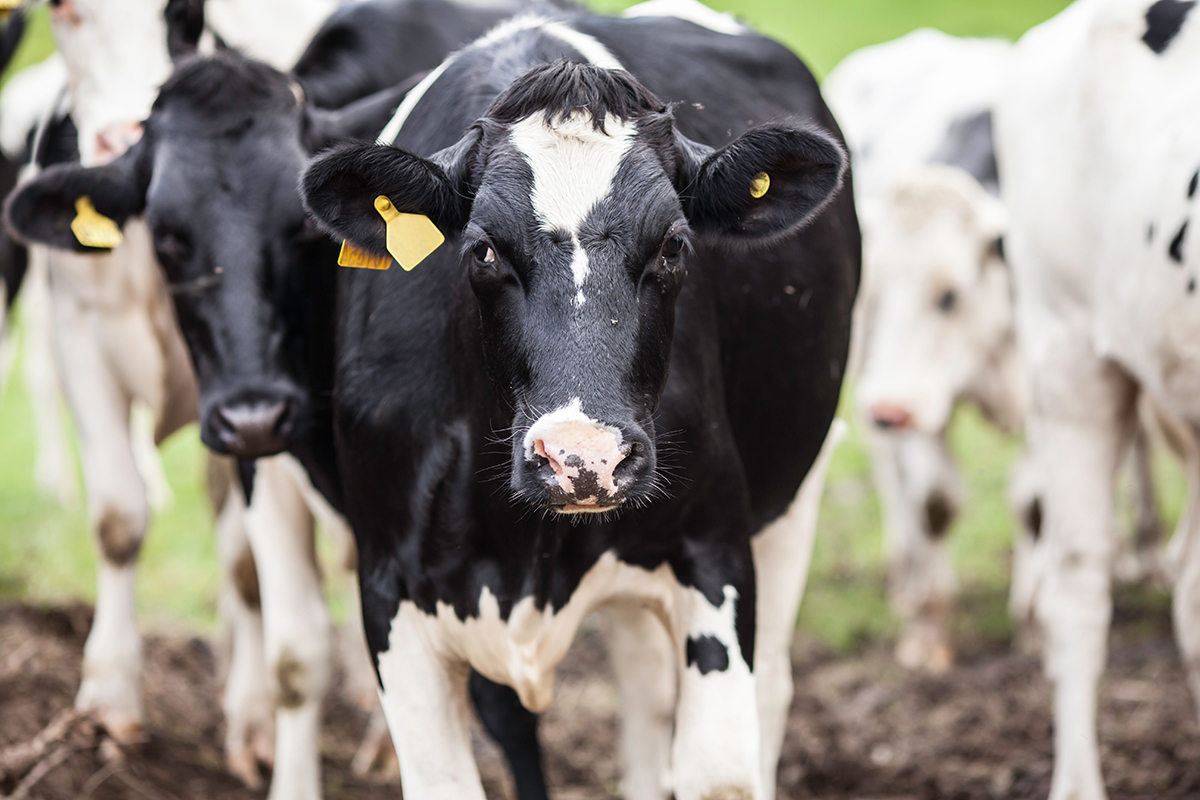
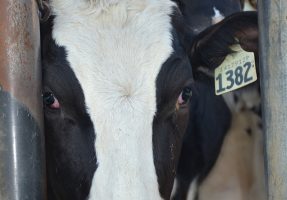
BC dairy producers will receive more money for their milk in February. File photo

April 17, 2024 byPeter Mitham

BC dairy farmers are being advised to stay alert for highly pathogenic avian influenza, which has infected dairy herds in eight US states.

“I don’t want to put too much emphasis on that and alarm anyone without real reasons,” BC Dairy Association chair Casey Pruim told producers attending their spring meeting online on April 12. “There is no reported cases in Canada at this time, and we continue to monitor the situation.”

While skunks and a fox are known to have contracted the virus in the province, larger mammals have so far been unaffected. Pruim hopes things stay that way.

With cases in states from Texas north to Idaho and east to North Carolina, where the disease was reported last week, Pruim encouraged producers to review their biosecurity practices.

“If they’ve slipped a bit, spend a little time reviewing them and get things back in order,” he said. “If you see any signs, contact your vet.”

Besides the clinical symptoms of illness, cows experience reduced production, and milk from affected cows has a thicker consistency.

Pruim advised farmers to minimize contact between cattle and wild birds. Tightening controls on human visitors is also advised to prevent the introduction of infected material.

Given the high concentration of poultry and dairy farms in the Lower Mainland, an outbreak of avian influenza among dairy herds would substantially increase the risk to local agriculture.

Currently, the virus is recognized as circulating among migrating waterfowl, but has shown signs of becoming endemic in local bird populations.

A webinar in December flagged the importance of strong biosecurity among poultry operations, which remain at a red biosecurity level.

The webinar included information on the protocols that would play out if an infected premises included two adjacent barns, one infected and the other not, with shared staff.

The information remains relevant as the disease risks spreading into new species.

The uninfected barn would not necessarily be considered exposed if strong biosecurity protocols were followed, including documented disinfection of staff and equipment, Canadian Food Inspection Agency vet Mandy Emery told the December webinar.

“It’s not automatic just because you share personnel that it would be considered a high-risk contact,” she said. “It’s if people go directly from this barn into that barn without significant mitigating measures in place that we would consider it to be a high-risk contact.”
Related Posts

You may be interested in these posts from the same category.

BC distanced from TB concerns

BC producer groups give back

Avian flu response keeping pace

BC FIRB challenges WMP plans

Food costs public trust

Production cost bind

Corn rootworm hits Okanagan

Province funds feed access

BC Milk, Dairy grow closer

Berg appointed WMP CEO

Dairy farmers on the brink

Dairy meetings highlight costs

Previous Post: « Peace producers break ground
Next Post: Haida Aboriginal title recognized »

Copyright © 2025 Country Life in BC · All Rights Reserved