• Menu
  • Skip to primary navigation
  • Skip to main content
  • Skip to primary sidebar

Country Life In BC Logo

The agricultural news source in British Columbia since 1915

  • Headlines
  • Calendar
  • Subscribe
  • Advertise
  • About
  • Archives
  • Contact
  • Search
  • Headlines
  • Calendar
  • Subscribe
  • Advertise
  • About
  • Archives
  • Contact
  • Search

Primary Sidebar

Current Issue:

JANUARY 2026
Vol. 112 Issue 1

Subscribe Now!

Sign up for free weekly FARM NEWS UPDATES

Select list(s) to subscribe to


By submitting this form, you are consenting to receive marketing emails from: Country Life in BC. You can revoke your consent to receive emails at any time by using the SafeUnsubscribe® link, found at the bottom of every email. Emails are serviced by Constant Contact
Your information will not be
shared or sold ever

Follow us on Facebook

Comments Box SVG iconsUsed for the like, share, comment, and reaction icons

10 hours ago

BC's minimum piece rates for 15 hand-harvested crops increased 2.6% on December 31. Crops include peaches, apricots, brussels sprouts, daffodils, mushrooms, apples, beans, blueberries, cherries, grapes, pears, peas, prune plums, raspberries and strawberries. Farm-worker piece rates in BC were increased by 11.5% in January 2019 and 6.9% in December 2024. BC’s current minimum wage sits at $17.85 per hour.

#BCAg
... See MoreSee Less

BCs minimum piece rates for 15 hand-harvested crops increased 2.6% on December 31. Crops include peaches, apricots, brussels sprouts, daffodils, mushrooms, apples, beans, blueberries, cherries, grapes, pears, peas, prune plums, raspberries and strawberries. Farm-worker piece rates in BC were increased by 11.5% in January 2019 and 6.9% in December 2024. BC’s current minimum wage sits at $17.85 per hour. 

#BCAg
View Comments
  • Likes: 6
  • Shares: 0
  • Comments: 2

Comment on Facebook

I'm not sure what they're telling us. Did peace rates have to increase so that Farm workers could make minimum wage?

They deserve it, but the general public will be whining about increased prices in the stores. Will need to make more information average to the g.p.

2 days ago

... See MoreSee Less

View Comments
  • Likes: 9
  • Shares: 0
  • Comments: 0

Comment on Facebook

1 week ago

... See MoreSee Less

View Comments
  • Likes: 7
  • Shares: 0
  • Comments: 0

Comment on Facebook

3 weeks ago

Water volumes from the Nooksack River are at levels similar to 1990 and 2021, but the province says flows should peak at 10pm tonight. The shorter duration, as well as conditions in other watercourses within the watershed and performance of flood protection infrastructure should avoid a catastrophe on the scale of 2021. However, several landslides mean road closures have once again effectively isolated the Lower Mainland from the rest of the province.

#BCag
... See MoreSee Less

Water volumes from the Nooksack River are at levels similar to 1990 and 2021, but the province says flows should peak at 10pm tonight. The shorter duration, as well as conditions in other watercourses within the watershed and performance of flood protection infrastructure should avoid a catastrophe on the scale of 2021. However, several landslides mean road closures have once again effectively isolated the Lower Mainland from the rest of the province.

#BCAg
View Comments
  • Likes: 9
  • Shares: 3
  • Comments: 1

Comment on Facebook

Family living in Sumas WA say it's very much like '21. They have the same amount of water in their house as last time.

1 month ago

... See MoreSee Less

View Comments
  • Likes: 4
  • Shares: 0
  • Comments: 0

Comment on Facebook

Subscribe | Advertise

The agricultural news source in British Columbia since 1915
  • Email
  • Facebook

BC farms reduce plastic

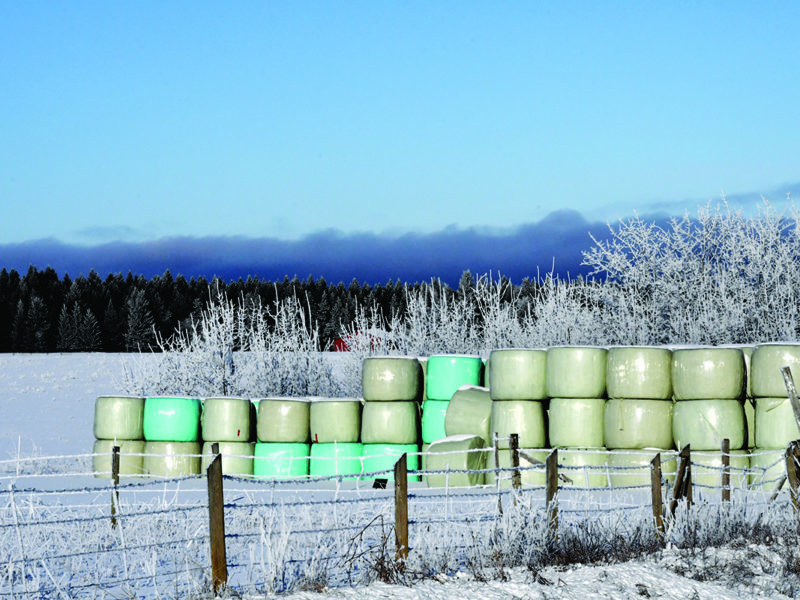
Round bales

March 31, 2021 byRonda Payne

BC farms have made significant strides towards reducing plastic waste, and new federal funding will help them take additional steps to address the issue.

CleanFarms, a manufacturer-led environmental stewardship organization based in Ontario, estimates BC farms generate 3,600 tonnes of waste plastic a year. This is down from nearly 4,000 tonnes in 2012.

But the pile of plastic could shrink even further if three pilot projects proposed for the north of the province go ahead.

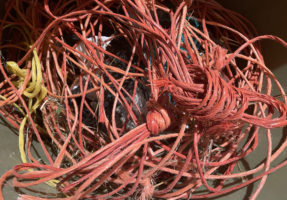
Cleanfarms is developing programs in the Peace River, Bulkley-Nechako and Fraser-Fort George regional districts to collect used baler twine, silage plastic and grain bags as part of a national initiative to boost agricultural plastics recycling. The national initiative recently received $1.1 million from the federal Canadian Agricultural Strategic Priorities Program. It was one of five projects receiving a share of $4.5 million in funding to help the sector better manage agricultural plastics from creation to disposal.

But some existing programs face challenges. The producer-led Kent Agricultural Plastics Recycling Program lost the buyer of the waste plastic it collects last year due to a lack of markets for waste plastic.

With no market for its plastics, Kent may be forced to dump the materials it has collected.

Program chair Dave Hastie plans to talk to various levels of government to see if the program can be saved. The province undertook a consultation last fall on extended producer responsibility for product recycling and a summary report is expected soon.

Hastie has also approached Cleanfarms to gain support for the Kent program but says Cleanfarms hasn’t expressed interest.
 

Related Posts

You may be interested in these posts from the same category.

Fraser Valley recycles ag plastics

BC jug recovery up

Feeling the heat on water

Pushback on plastics recycling

Building soil structure with organic compost

No right to roam

Organic matter regulations delayed

Previous Post: « Buy BC program delivers
Next Post: Province reveals abattoir changes »

Copyright © 2026 Country Life in BC · All Rights Reserved