• Menu
  • Skip to primary navigation
  • Skip to main content
  • Skip to primary sidebar

Country Life In BC Logo

The agricultural news source in British Columbia since 1915

  • Headlines
  • Calendar
  • Subscribe
  • Advertise
  • About
  • Archives
  • Contact
  • Search
  • Headlines
  • Calendar
  • Subscribe
  • Advertise
  • About
  • Archives
  • Contact
  • Search

Primary Sidebar

Current Issue:

DECEMBER 2025
Vol. 111 Issue 11

Subscribe Now!

Sign up for free weekly FARM NEWS UPDATES

Select list(s) to subscribe to


By submitting this form, you are consenting to receive marketing emails from: Country Life in BC. You can revoke your consent to receive emails at any time by using the SafeUnsubscribe® link, found at the bottom of every email. Emails are serviced by Constant Contact
Your information will not be
shared or sold ever

Follow us on Facebook

Comments Box SVG iconsUsed for the like, share, comment, and reaction icons

3 days ago

Water volumes from the Nooksack River are at levels similar to 1990 and 2021, but the province says flows should peak at 10pm tonight. The shorter duration, as well as conditions in other watercourses within the watershed and performance of flood protection infrastructure should avoid a catastrophe on the scale of 2021. However, several landslides mean road closures have once again effectively isolated the Lower Mainland from the rest of the province.

#BCAg
... See MoreSee Less

Water volumes from the Nooksack River are at levels similar to 1990 and 2021, but the province says flows should peak at 10pm tonight. The shorter duration, as well as conditions in other watercourses within the watershed and performance of flood protection infrastructure should avoid a catastrophe on the scale of 2021. However, several landslides mean road closures have once again effectively isolated the Lower Mainland from the rest of the province.

#BCAg
View Comments
  • Likes: 9
  • Shares: 3
  • Comments: 1

Comment on Facebook

Family living in Sumas WA say it's very much like '21. They have the same amount of water in their house as last time.

2 weeks ago

... See MoreSee Less

View Comments
  • Likes: 4
  • Shares: 0
  • Comments: 0

Comment on Facebook

2 weeks ago

On the last day of the BC Organic Conference, Thursday, Molly Thurston of Pearl Agricultural Consulting helped growers learn how to manage bugs such as codling moth, wireworm, and rootworm in organic growing systems. Her talk alongside Renee Prasad included hands-on activities in which participants checked out various traps and examined pests under microscopes. Be sure to look for more upcoming ag events on our online calendar at www.countrylifeinbc.com/calendar/

#BCAg
... See MoreSee Less

On the last day of the BC Organic Conference, Thursday, Molly Thurston of Pearl Agricultural Consulting helped growers learn how to manage bugs such as codling moth, wireworm, and rootworm in organic growing systems. Her talk alongside Renee Prasad included hands-on activities in which participants checked out various traps and examined pests under microscopes. Be sure to look for more upcoming ag events on our online calendar at www.countrylifeinbc.com/calendar/

#BCAg
View Comments
  • Likes: 15
  • Shares: 0
  • Comments: 0

Comment on Facebook

2 weeks ago

Well-known organic farmer and podcaster Jordan Marr gets interviewed by Country Life in BC’s own columnist and potato mavin Anna Helmer during the opening session of the BC Organic Conference at Harrison Hot Springs yesterday. Sessions run today (Wednesday) and Thursday and include organic and regenerative growing practices and expanding and advocating for the organic sector, all under the background of the newly launched Organic BC banner.

#BCAg
... See MoreSee Less

Well-known organic farmer and podcaster Jordan Marr gets interviewed by Country Life in BC’s own columnist and potato mavin Anna Helmer during the opening session of the BC Organic Conference at Harrison Hot Springs yesterday. Sessions run today (Wednesday) and Thursday and include organic and regenerative growing practices and expanding and advocating for the organic sector, all under the background of the newly launched Organic BC banner.

#BCAg
View Comments
  • Likes: 37
  • Shares: 2
  • Comments: 1

Comment on Facebook

Interested in finding out more about this

1 month ago

Today, we remember those who sacrificed their lives or their well-being for our freedom. Lest we forget. ... See MoreSee Less

Today, we remember those who sacrificed their lives or their well-being for our freedom. Lest we forget.
View Comments
  • Likes: 8
  • Shares: 0
  • Comments: 0

Comment on Facebook

Subscribe | Advertise

The agricultural news source in British Columbia since 1915
  • Email
  • Facebook

Bee replacements grounded

April 1, 2020 byTom Walker

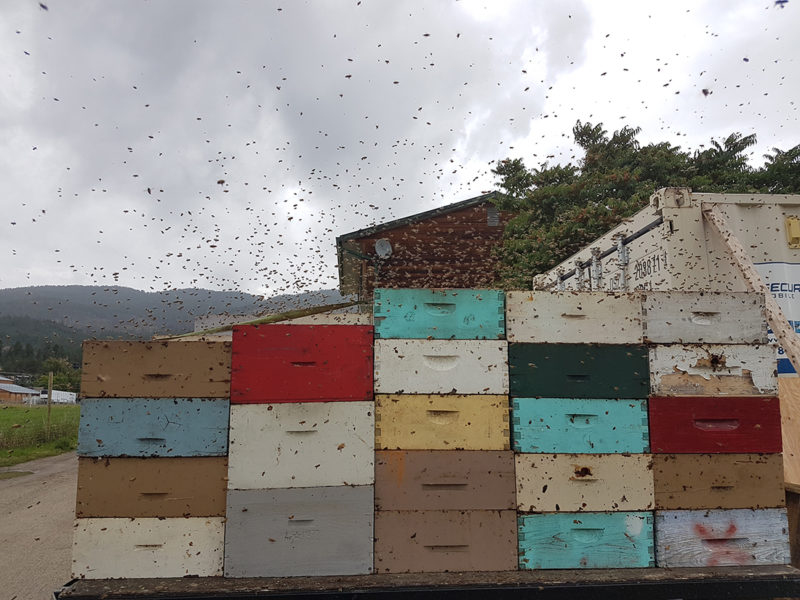
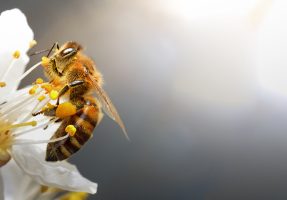
BC beekeepers may not be able to import enough bees to replenish hives lost through the winter thanks to flight restrictions intended to halt the spread of COVID-19.

“We were able to get some pallets of bees in from New Zealand at the beginning of March,” says Stan Reist of Flying Dutchman Apiary in Nanaimo and BC’s representative on the Canadian Honey Council. “One or two pallets of bees can be added to the cargo section of a commercial flight. But when Air Canada stopped commercial flights [on March 23], we lost our air cargo services.”

Reist says that dedicated cargo planes are running, but they don’t take live animals.

“The stock is available,” he says. “Both New Zealand and California have told us they have the bees. We just can’t get them here.”

He says the bees could be shipped by parcel courier, but it’s an unreliable delivery method.

It is difficult to know how large the shortfall will be. While hives in the Lower Mainland are active with the warmer temperatures, beekeepers in northern BC have not yet opened up their hives.

“We just don’t know how many bees we will need,” says Reist. “We don’t know if there will be a shortage of pollinators.”

However, he notes that beekeepers across Western Canada cancelled orders for about 16,000 packages when Air Canada began scaling back commercial flights.

Alberta, a key source of the hives that pollinate BC blueberries and raspberries, reported colony losses of 29% last spring. The surviving colonies start their season in BC and bee numbers typically double before the colonies head back to Alberta to pollinate canola.
Related Posts

You may be interested in these posts from the same category.

Contracts cancelled for beekeepers

Bee losses significant but not extreme

Apiarists fear heavy winter losses

Asian Giant Hornet

Langley logs Asian hornet

Asian Giant Hornet

BC watches Stateside hornets

Canada holds off Asian giant hornet restrictions

Beekeepers suffer colony losses

Asian Giant Hornet

Hornet surveillance plans outlined

Beekeepers Zoom for 100th AGM

BC beekeepers go online

Bee initiatives in focus

Bee

Colony losses have beekeepers on edge

Previous Post: « BC farmers markets go online
Next Post: COVID-19 hits farm workers »

Copyright © 2025 Country Life in BC · All Rights Reserved