• Menu
  • Skip to primary navigation
  • Skip to main content
  • Skip to primary sidebar

Country Life In BC Logo

The agricultural news source in British Columbia since 1915

  • Headlines
  • Calendar
  • Subscribe
  • Advertise
  • About
  • Archives
  • Contact
  • Search
  • Cart
  • Checkout
  • Headlines
  • Calendar
  • Subscribe
  • Advertise
  • About
  • Archives
  • Contact
  • Search
  • Cart
  • Checkout

Primary Sidebar

Current Issue:

SEPTEMBER 2026
Vol. 112 Issue 9

Subscribe Now!

Sign up for free weekly FARM NEWS UPDATES

Loading form…

Your information will not be
shared or sold ever

Follow us on Facebook

Comments Box SVG iconsUsed for the like, share, comment, and reaction icons

3 hours ago

Forty-six regions in BC are eligible to participate in the federal livestock tax deferral program, announced yesterday, more than anywhere else in the country. The program allows producers who downsize their breeding herds by 15% to defer reporting the proceeds until the following year, when they buy replacement stock. But after multiple years of drought, the BC beef herd is cruising 25-year lows and some producers are calling for more support to maintain and rebuild their herds. For more, see: [www.countrylifeinbc.com/bc-leads-livestock-tax-deferrals/]

#BCAg
... See MoreSee Less

Forty-six regions in BC are eligible to participate in the federal livestock tax deferral program, announced yesterday, more than anywhere else in the country. The program allows producers who downsize their breeding herds by 15% to defer reporting the proceeds until the following year, when they buy replacement stock. But after multiple years of drought, the BC beef herd is cruising 25-year lows and some producers are calling for more support to maintain and rebuild their herds. For more, see: [https://www.countrylifeinbc.com/bc-leads-livestock-tax-deferrals/]
 
#BCAg
View Comments
  • Likes: 9
  • Shares: 1
  • Comments: 0

Comment on Facebook

4 days ago

After weeks and weeks of no moisture, there's rain in Kelowna today. While much more moisture is needed over the coming weeks and months to reduce drought conditions and the air smells of wet campfire, the slow, steady rain is very welcome for fruit grower#BCAg#BCAg ... See MoreSee Less

After weeks and weeks of no moisture, theres rain in Kelowna today. While much more moisture is needed over the coming weeks and months to reduce drought conditions and the air smells of wet campfire, the slow, steady rain is very welcome for fruit growers. 

#BCAg
View Comments
  • Likes: 7
  • Shares: 0
  • Comments: 0

Comment on Facebook

5 days ago

The first Delta Farmland and Wildlife Trust Grassland Set-aside Variety Trial Field Day was held at Delta's family-owned Tecarte Farms, August 27. Co-owner Bill Bates and DFWT executive director Christine Schmalz welcomed more than 35 people to view seven acres planted to different grassland blends specifically chosen to rejuvenate the soil and support the farm's blueberries. For the Bates family, it was time to try something different following the decline of the field's blueberry bushes over the past several years. "We tried everything, and nothing worked," says Bates. The blueberries were removed in May and the grassland crops planted about a week later.

#BCAg
... See MoreSee Less

The first Delta Farmland and Wildlife Trust Grassland Set-aside Variety Trial Field Day was held at Deltas family-owned Tecarte Farms, August 27. Co-owner Bill Bates and DFWT executive director Christine Schmalz welcomed more than 35 people to view seven acres planted to different grassland blends specifically chosen to rejuvenate the soil and support the farms blueberries. For the Bates family, it was time to try something different following the decline of the fields blueberry bushes over the past several years. We tried everything, and nothing worked, says Bates. The blueberries were removed in May and the grassland crops planted about a week later.

#BCAgImage attachmentImage attachment
View Comments
  • Likes: 17
  • Shares: 1
  • Comments: 0

Comment on Facebook

5 days ago

Bessette Creek is the latest watershed hit with a temporary fish protection order this year as the province moves to protect returning Chinook salmon. A total of 131 surface and groundwater users must cease drawing water immediately, with forage producers, greenhouses and nurseries impacted. "Declining flows in Bessette Creek reached record lows in early July 2026 and have remained below the minimum level required to support fish population survival," says the province. Bessette producers have embraced voluntary cutbacks, scheduled irrigation and other measures to reduce water use, and are also waiting on funding to boost water storage infrastructure. They're the second group of producers hit with a provincial order this year. Salmon River irrigators were told to top watering earlier this month following a reprieve to address wildfire risk. Growers in both the Salmon River and Bessette watersheds are urging the province to support new water storage infrastructure in advance of next year.

#BCAg
... See MoreSee Less

Bessette Creek is the latest watershed hit with a temporary fish protection order this year as the province moves to protect returning Chinook salmon. A total of 131 surface and groundwater users must cease drawing water immediately, with forage producers, greenhouses and nurseries impacted. Declining flows in Bessette Creek reached record lows in early July 2026 and have remained below the minimum level required to support fish population survival, says the province. Bessette producers have embraced voluntary cutbacks, scheduled irrigation and other measures to reduce water use, and are also waiting on funding to boost water storage infrastructure. Theyre the second group of producers hit with a provincial order this year. Salmon River irrigators were told to top watering earlier this month following a reprieve to address wildfire risk. Growers in both the Salmon River and Bessette watersheds are urging the province to support new water storage infrastructure in advance of next year.

#BCAg
View Comments
  • Likes: 7
  • Shares: 1
  • Comments: 3

Comment on Facebook

There is a problem... having lived in the salmon river ( silver creek ) area, I remember a fish biologist telling family members that salmon only "survive" in high iron content creeks, they do not "thrive".... salmon river ( silver creek ) is a very high iron content, would stain clothes brown when i would use bleach... So don't expect high salmon numbers off of that creek , even in ideal situations...

I just wish they would take an interest in CHASE CREEK....went bone dry...100% of trout abd other species died...smell was terrible from rotting fish. Understand this has happened many times in the past. Chase Irrigation District totally responsible for this disaster. Now fishermen are complaining about major drop in water levels at Pillar Lake.

They could not mismanage things worse than they have. It's impossible for them to. The fact that farmers that we need for our animals are now suffering the consequences our governments have not protected us from, is absolutely fucking wild.

5 days ago

The annual potato variety trial in Delta on August 27 attracted more than 300 people from across Canada, with Bill Zylmans of the BC Potato and Vegetable Growers Association declaring it a gathering of "the extended potato family." With the expansion of BCPVGA's mandate to a host of field vegetable growers, the field day was a chance to network, learn and understand issues across the vegetable sector. BC agriculture minister Lana Popham and Delta South MLA Ian Paton were on hand for the event at Lundstrum Farms on Westham Island, with both applauding efforts to restore bridge access to the island earlier this year to ensure production was unimpeded. Results of the trials will be published in the new year once seasonal data has been collated and analyzed.

#BCAg
... See MoreSee Less

The annual potato variety trial in Delta on August 27 attracted more than 300 people from across Canada, with Bill Zylmans of the BC Potato and Vegetable Growers Association declaring it a gathering of the extended potato family. With the expansion of BCPVGAs mandate to a host of field vegetable growers, the field day was a chance to network, learn and understand issues across the vegetable sector. BC agriculture minister Lana Popham and Delta South MLA Ian Paton were on hand for the event at Lundstrum Farms on Westham Island, with both applauding efforts to restore bridge access to the island earlier this year to ensure production was unimpeded. Results of the trials will be published in the new year once seasonal data has been collated and analyzed.

#BCAg
View Comments
  • Likes: 25
  • Shares: 1
  • Comments: 1

Comment on Facebook

Lana Popham is the hardest working MLA in the province, I don’t agree with the NDP policies, however I do recognize a hard working MLA…thanks for what you do

Subscribe | Advertise

The agricultural news source in British Columbia since 1915
  • Email
  • Facebook

Beef impact bumps up

June 9, 2021 byPeter Mitham

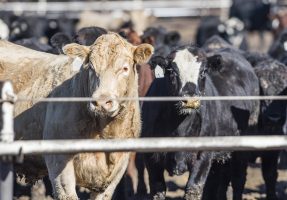
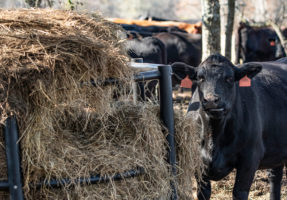
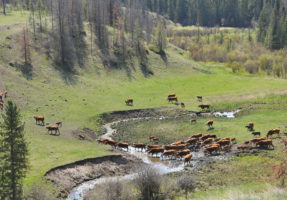
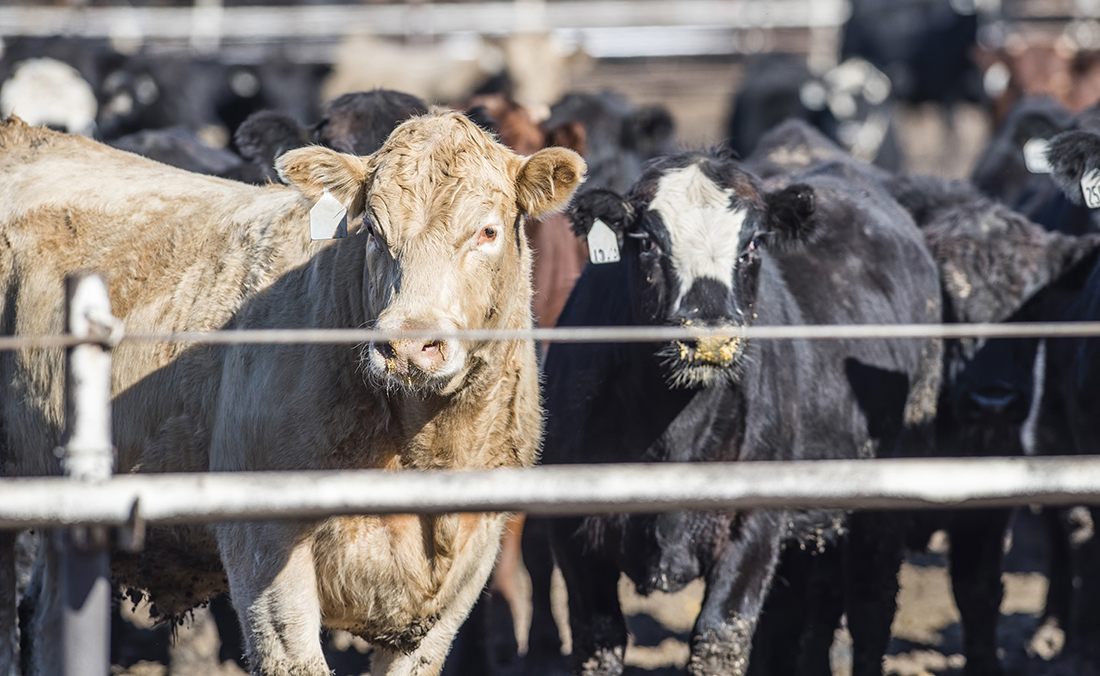
Western Canada’s beef industry could ride an upward trend over the next decade, according to an economic impact report researchers at the University of Saskatchewan prepared for Canfax Research Services and the Canadian Cattlemen’s Association this spring.

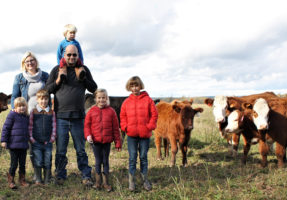
The cattle sector currently has a net economic impact of $51.6 billion nationally, of which $38.8 billion occurs in Western Canada. Of this, $232 million goes into the pockets of BC producers as farm cash receipts, making it the smallest beef producer in the country outside Atlantic Canada. The sector’s direct farm cash receipts attributable to BC account for less than 3% of the national total.

But a lack of processing capacity in the province means that on-farm activities have greater significance here. Processing activities account for 1.24 times the value of on-farm activities in Alberta. In BC and other western provinces, processing accounts for just 0.45 of the value of every dollar spent on-farm.

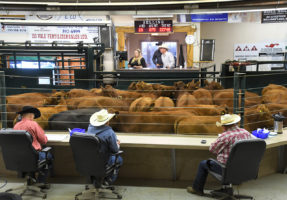
The interconnected nature of the industry means Alberta is the powerhouse, however. While efforts to sell hooks at the new BC Beef Producers Inc. plant in Westwold continue, long-term growth in the sector hinges on Alberta.

According to the University of Saskatchewan study, a growth rate of 10% in Western Canada could see the region’s beef sector contribute upwards of $16.3 billion to Canada’s GDP by 2030. Of this, $8.6 billion would be from BC, Saskatchewan and Manitoba.

While the study faced several limitations with respect to data, the authors noted that it underscores the sector’s importance to local and national economic health.

All content on this website is copyrighted, and cannot be republished or reproduced without permission.

Related Posts

You may be interested in these posts from the same category.

Fossens recognized for innovative practices

Female ranchers excited for mentorship opportunities

Beef export markets grow

Ranchers watching bluetongue outbreak

Drought puts focus on livestock nutrition

Canada at “negligible risk” for BSE

Farmer-chef connections still paying off

Producers beef up support for Island cattle

Strong fundamentals for beef market

Province updates watering intentions

Cattle industry seeks cash

Plant closures a crisis for cattlemen

Previous Post: « Pushback on plastics recycling
Next Post: Canada at “negligible risk” for BSE »

© 2026 COUNTRY LIFE IN BC - ALL RIGHTS RESERVED