• Menu
  • Skip to primary navigation
  • Skip to main content
  • Skip to primary sidebar

Country Life In BC Logo

The agricultural news source in British Columbia since 1915

  • Headlines
  • Calendar
  • Subscribe
  • Advertise
  • About
  • Archives
  • Contact
  • Search
  • Headlines
  • Calendar
  • Subscribe
  • Advertise
  • About
  • Archives
  • Contact
  • Search

Primary Sidebar

Current Issue:

DECEMBER 2025
Vol. 111 Issue 11

Subscribe Now!

Sign up for free weekly FARM NEWS UPDATES

Select list(s) to subscribe to


By submitting this form, you are consenting to receive marketing emails from: Country Life in BC. You can revoke your consent to receive emails at any time by using the SafeUnsubscribe® link, found at the bottom of every email. Emails are serviced by Constant Contact
Your information will not be
shared or sold ever

Follow us on Facebook

Comments Box SVG iconsUsed for the like, share, comment, and reaction icons

3 days ago

Water volumes from the Nooksack River are at levels similar to 1990 and 2021, but the province says flows should peak at 10pm tonight. The shorter duration, as well as conditions in other watercourses within the watershed and performance of flood protection infrastructure should avoid a catastrophe on the scale of 2021. However, several landslides mean road closures have once again effectively isolated the Lower Mainland from the rest of the province.

#BCAg
... See MoreSee Less

Water volumes from the Nooksack River are at levels similar to 1990 and 2021, but the province says flows should peak at 10pm tonight. The shorter duration, as well as conditions in other watercourses within the watershed and performance of flood protection infrastructure should avoid a catastrophe on the scale of 2021. However, several landslides mean road closures have once again effectively isolated the Lower Mainland from the rest of the province.

#BCAg
View Comments
  • Likes: 9
  • Shares: 3
  • Comments: 1

Comment on Facebook

Family living in Sumas WA say it's very much like '21. They have the same amount of water in their house as last time.

2 weeks ago

... See MoreSee Less

View Comments
  • Likes: 4
  • Shares: 0
  • Comments: 0

Comment on Facebook

2 weeks ago

On the last day of the BC Organic Conference, Thursday, Molly Thurston of Pearl Agricultural Consulting helped growers learn how to manage bugs such as codling moth, wireworm, and rootworm in organic growing systems. Her talk alongside Renee Prasad included hands-on activities in which participants checked out various traps and examined pests under microscopes. Be sure to look for more upcoming ag events on our online calendar at www.countrylifeinbc.com/calendar/

#BCAg
... See MoreSee Less

On the last day of the BC Organic Conference, Thursday, Molly Thurston of Pearl Agricultural Consulting helped growers learn how to manage bugs such as codling moth, wireworm, and rootworm in organic growing systems. Her talk alongside Renee Prasad included hands-on activities in which participants checked out various traps and examined pests under microscopes. Be sure to look for more upcoming ag events on our online calendar at www.countrylifeinbc.com/calendar/

#BCAg
View Comments
  • Likes: 15
  • Shares: 0
  • Comments: 0

Comment on Facebook

2 weeks ago

Well-known organic farmer and podcaster Jordan Marr gets interviewed by Country Life in BC’s own columnist and potato mavin Anna Helmer during the opening session of the BC Organic Conference at Harrison Hot Springs yesterday. Sessions run today (Wednesday) and Thursday and include organic and regenerative growing practices and expanding and advocating for the organic sector, all under the background of the newly launched Organic BC banner.

#BCAg
... See MoreSee Less

Well-known organic farmer and podcaster Jordan Marr gets interviewed by Country Life in BC’s own columnist and potato mavin Anna Helmer during the opening session of the BC Organic Conference at Harrison Hot Springs yesterday. Sessions run today (Wednesday) and Thursday and include organic and regenerative growing practices and expanding and advocating for the organic sector, all under the background of the newly launched Organic BC banner.

#BCAg
View Comments
  • Likes: 37
  • Shares: 2
  • Comments: 1

Comment on Facebook

Interested in finding out more about this

1 month ago

Today, we remember those who sacrificed their lives or their well-being for our freedom. Lest we forget. ... See MoreSee Less

Today, we remember those who sacrificed their lives or their well-being for our freedom. Lest we forget.
View Comments
  • Likes: 8
  • Shares: 0
  • Comments: 0

Comment on Facebook

Subscribe | Advertise

The agricultural news source in British Columbia since 1915
  • Email
  • Facebook

Clean plants build confidence

Vaughn Bell

August 21, 2019 byTom Walker

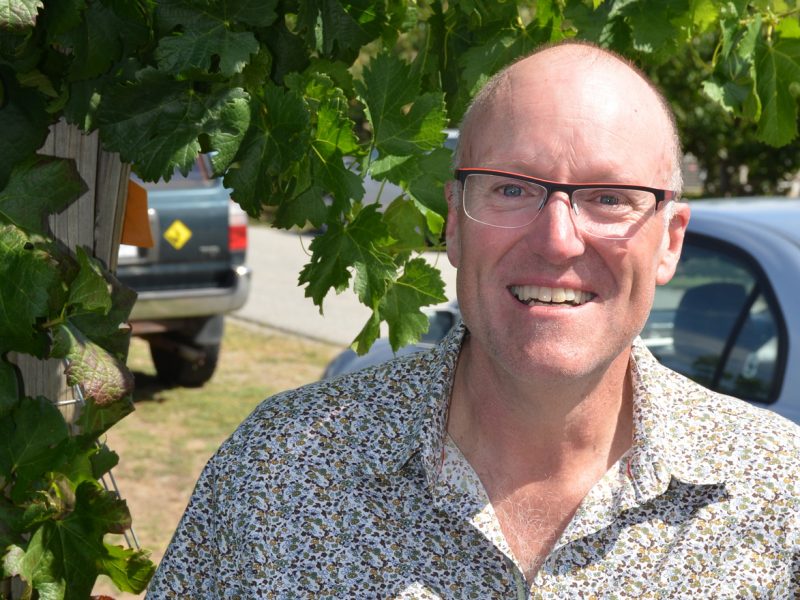
A certified supply of clean plants was the key to cleaning up New Zealand vineyards and keeping vine diseases at bay, says Vaughn Bell, senior scientist with the New Zealand Institute for Plant and Food Research.

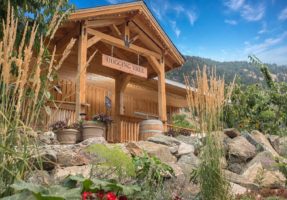
Bell was in the Okanagan last week as the featured speaker in this year’s Triggs International Premium Vinifera Lecture Series on August 13-14, organized by the Cool Climate Oenology and Viticulture Institute (CCOVI) at Brock University in St. Catharines, Ontario.

Grapevine leafroll virus (GLVa3) has been a major problem in New Zealand, as it has in BC. While managing populations of insect vectors such as mealybugs can be helpful in preventing the spread of the disease, clean plant material prevents it from being introduced in the first place.

Vines infected with the virus decline in health, yield less fruit, and the fruit that is harvested has to be picked later and is of poor quality. This in turn makes poor-quality wine.

A survey of 15,000 grapevines between 2014 and 2017 found that 23.5% were infected with the virus. The only cure is removal, a costly process that many growers are loathe to do if the virus is just going to return.

The key to getting New Zealand growers to remove infected vines was the availability of certified virus-free replacement stock.

“That was essential to growers getting on board,” he says. “When growers were able to trust that their replacement stock was clean, they had confidence to start roguing out infected vines.”

Providing that assurance to Canadian growers is the goal of the Canadian Grapevine Certification Network, a partnership of growers in BC, Ontario, Quebec and Nova Scotia. It recently received $2.3 million in federal funding to support its efforts.
 

Related Posts

You may be interested in these posts from the same category.

Vineyards enter new year with recovery in sight

Warm winter stalls icewine

Phylloxera found on Vancouver Island

Growers, wineries welcome sustainability launch

Cold snap hits Okanagan fruit growers

Wineries reopen amid COVID-19

Top grape grower recognized

Icewine harvest begins

Autumn showers dampen harvest

Grape diversification in play

Grape growers honoured

BC wine pioneer Harry McWatters dies

Previous Post: « Cherry exports get boost
Next Post: Where’s the beef? »

Copyright © 2025 Country Life in BC · All Rights Reserved