
• Menu
  • Skip to primary navigation
  • Skip to main content
  • Skip to primary sidebar

Country Life In BC Logo

The agricultural news source in British Columbia since 1915

  • Headlines
  • Calendar
  • Subscribe
  • Advertise
  • About
  • Archives
  • Contact
  • Search
  • Headlines
  • Calendar
  • Subscribe
  • Advertise
  • About
  • Archives
  • Contact
  • Search

Primary Sidebar

Originally published:

JANUARY 2022
Vol. 108 Issue 1

Subscribe Now!

Sign up for free weekly FARM NEWS UPDATES

Select list(s) to subscribe to


By submitting this form, you are consenting to receive marketing emails from: Country Life in BC. You can revoke your consent to receive emails at any time by using the SafeUnsubscribe® link, found at the bottom of every email. Emails are serviced by Constant Contact
Your information will not be
shared or sold ever

Stories In This Edition

Flood recovery begins

Outstanding

Insurance under scrutiny

Donations pouring in for flood relief

Editorial: Regenerating agriculture

Back 40: What is normal, anyways?

Op Ed: Looking ahead with a  common purpose

Interior ranches feel forgotten

Hefty fines levied in chicken abuse case

Ag Briefs: Blueberry council chair tenders resignation

Ag Briefs: BC Chicken picks Siemens

Ag Briefs: Outstanding service acknowledged

Ag Briefs: Water quality grants available

BC couple win national OYF competition

High grain prices welcome, but harvest falls flat

Dairy sector looks to the future in virtual meetings

Berry growers face years of lower yields

Ambrosia council takes growers to court over levies

Rising food prices unlikely to benefit farmers

Supply chain disruptions put focus on local food

Preview: Agriculture show returns to Tradex

Water management in focus at short course

Kootenay growers target winter deliveries

Sidebar: Welcome development

New growers bitten by the farming bug

Farmers face new challenges as water recedes

Denman Island initiatives review of farm regulations

Helping load the wagon

Bees shouldn’t become collateral damage

Beekeepers urged to grow their own

Research: BC scientists ready to assess flood-affected soils

BC tech companies give ag waste a new life

Sidebar: Manure recycled into bedding

Milk marketing board chooses new entrants

Drought management requires new strategies

Farm Story: Instagrammable garlic? We’d rather less fuss

New initiative supports local food, business

Woodshed: Ashley’s ready and the party’s about to begin

Self-care can help women focus on their goals

Jude’s Kitchen:

More Headlines

Follow us on Facebook

Comments Box SVG iconsUsed for the like, share, comment, and reaction icons

2 weeks ago

The Canadian Food Inspection Agency is preparing to implement changes to its livestock traceability rules that will include mandatory computer reporting within seven days on movement of animals for veterinary appointments, community pastures, exhibitions, carcass and on-farm disposal and the births and deaths of every animal on your farm. Writer Tom Walker first brought these changes to the attention of our readers back in June 2023. We've posted his story to our website:

www.countrylifeinbc.com/cfia-proposes-traceability-updat#BCAg#BCag
... See MoreSee Less

The Canadian Food Inspection Agency is preparing to implement changes to its livestock traceability rules that will include mandatory computer reporting within seven days on movement of animals for veterinary appointments, community pastures, exhibitions, carcass and on-farm disposal and the births and deaths of every animal on your farm. Writer Tom Walker first brought these changes to the attention of our readers back in June 2023. Weve posted his story to our website: 

https://www.countrylifeinbc.com/cfia-proposes-traceability-updates/

#BCag
View Comments
  • Likes: 11
  • Shares: 21
  • Comments: 15

Comment on Facebook

I love hpw the cow in the picture hasn't even got a RFID tag in it but I digress. We can not read the link, it says "we are not permitted to read drafts". Please post again with the correct link.

Dairy farmers having been doing this several years. The app we use has become quite simple to use

Including equine?

Premise ID was slowly rolled through the country, voluntary then mandatory. Transparency and 'Consultation' has been light. Those who tried to bring this for discussion a couple years ago, because of forseen overreach, were quite often labeled conspiracy theorists and that it wasnt meant to be so heavily regulated and controlled. Gardens and seeds will be next. "Invasive species" reporting, check out the plants medicinal properties. Read the BC intentions papers. The premise ID that already heavy regulated commodities have claims to be treated different in the intentions papers on page 8. www2.gov.bc.ca/assets/gov/farming-natural-resources-and-industry/agriculture-and-seafood/food-saf...

Says i am "not allowed to preview draft".

Also concerning is the part on compliance...they can 'stumble onto' any farm and if you're not complying there are consequences.

When the CFIA stumbles into the wrong place compliance will be met with civil engagement

Says I can't preview draft

This is government overreach - Do Not Comply!

Do not comply

Fu

As if the price of beef isn't bad enough for consumers,,,,,be prepared to be gouged some more now

Ridiculous!!

Let's hold up on the beef exports tell we can get our own house in order... we need to deregulated, cheapen up the supply chain back into a 5 buck a pound rage so the good people canada can eat healthy food.. fuck your bean diets, that's retarded

This, along with the majority of new legislation pertaining to any type of farm, is a blatant squeeze on any sort of small, alternative agricultural venture. I am a massive believer in working together and sharing resources and costs and solutions - do not get me wrong - but this and the water registration among others, is an overreach (at most generous) and an absolute killer to smaller, local initiatives that LITERALLY save lives during extreme events. There is ONE ROAD into and out of my community. We don’t need or want some sort of backlogged government response when shit goes sideways. We want the ability AND SUPPORT to provide for our communities without penalty when things go badly. We want to produce sustainability for our communities. We live here, we work here, we want to STAY HERE. Stop making it harder.

View more comments

3 weeks ago

BC's minimum piece rates for 15 hand-harvested crops increased 2.6% on December 31. Crops include peaches, apricots, brussels sprouts, daffodils, mushrooms, apples, beans, blueberries, cherries, grapes, pears, peas, prune plums, raspberries and strawberries. Farm-worker piece rates in BC were increased by 11.5% in January 2019 and 6.9% in December 2024. BC’s current minimum wage sits at $17.85 per hour.

#BCAg
... See MoreSee Less

BCs minimum piece rates for 15 hand-harvested crops increased 2.6% on December 31. Crops include peaches, apricots, brussels sprouts, daffodils, mushrooms, apples, beans, blueberries, cherries, grapes, pears, peas, prune plums, raspberries and strawberries. Farm-worker piece rates in BC were increased by 11.5% in January 2019 and 6.9% in December 2024. BC’s current minimum wage sits at $17.85 per hour. 

#BCAg
View Comments
  • Likes: 10
  • Shares: 0
  • Comments: 2

Comment on Facebook

I'm not sure what they're telling us. Did peace rates have to increase so that Farm workers could make minimum wage?

They deserve it, but the general public will be whining about increased prices in the stores. Will need to make more information average to the g.p.

3 weeks ago

... See MoreSee Less

View Comments
  • Likes: 14
  • Shares: 0
  • Comments: 1

Comment on Facebook

105 Mile Ranch

4 weeks ago

... See MoreSee Less

View Comments
  • Likes: 7
  • Shares: 0
  • Comments: 0

Comment on Facebook

1 month ago

Water volumes from the Nooksack River are at levels similar to 1990 and 2021, but the province says flows should peak at 10pm tonight. The shorter duration, as well as conditions in other watercourses within the watershed and performance of flood protection infrastructure should avoid a catastrophe on the scale of 2021. However, several landslides mean road closures have once again effectively isolated the Lower Mainland from the rest of the province.

#BCAg
... See MoreSee Less

Water volumes from the Nooksack River are at levels similar to 1990 and 2021, but the province says flows should peak at 10pm tonight. The shorter duration, as well as conditions in other watercourses within the watershed and performance of flood protection infrastructure should avoid a catastrophe on the scale of 2021. However, several landslides mean road closures have once again effectively isolated the Lower Mainland from the rest of the province.

#BCAg
View Comments
  • Likes: 9
  • Shares: 3
  • Comments: 1

Comment on Facebook

Family living in Sumas WA say it's very much like '21. They have the same amount of water in their house as last time.

Subscribe | Advertise

The agricultural news source in British Columbia since 1915
  • Email
  • Facebook

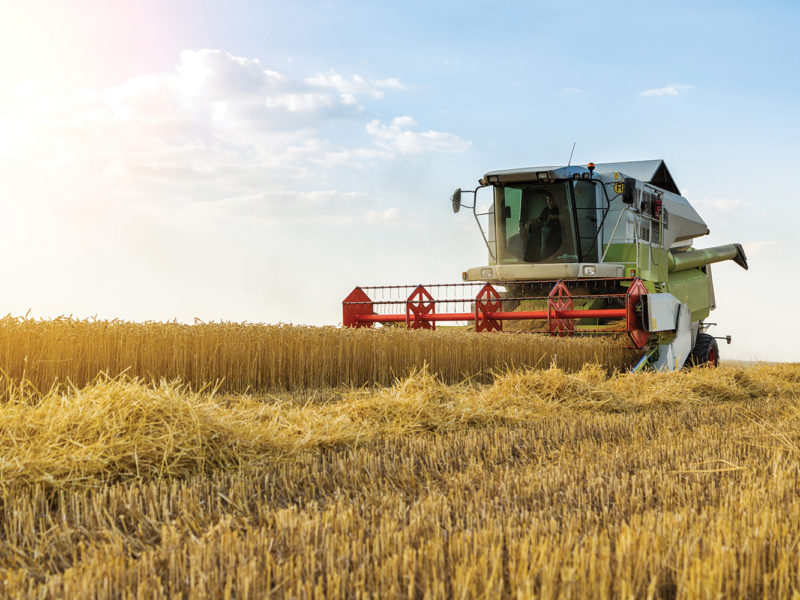
High grain prices welcome, but harvest falls flat

Weather cuts yields for the fourth straight year

File photo

January 1, 2022 byPeter Mitham

DAWSON CREEK – This year’s high commodity prices should be good news for Peace River growers but  extreme heat cut yields and left some producers with as little as 30% of a normal crop.

“The heat dome in southern BC also hit us up north. We broke records and our crops dried right out, and there was far below average taken off this year,” says Malcolm Odermatt, president of the BC Grain Producers Association. “We have exceptional prices, but unfortunately we just have no crop to sell.”

Odermatt, who farms in Baldonnel, east of Fort St. John, harvested less than 40% of what he expected.

“For us, typically we fill 22 bins and we filled eight this year,” he says.

Canola was down by a third while his barley came in at less than 25% of average.

BC Ministry of Agriculture, Food and Fisheries says producers have filed 382 notices of loss for grain. Its preliminary estimates indicate that yields are about 30% to 50% of average.

Odermatt says crop insurance is helpful but may not fully cover the losses, thanks to the idiosyncrasies of grain contracts.

“This year, we’ve seen historically high grain prices and lots of farmers went out there and contracted 50% of their expected yields, or maybe 75% – it all depends on their financials and the amount of risk they want to take on,” he explains. “Then we had an absolute wreck of a crop.”

Growers encouraged by high prices this spring and who signed contracts will now have to buy out those contracts at the much higher prices seen this fall. The difference could be as much as 50%.

But insurance is based on crop values in February and doesn’t escalate in step with market prices. This means insured growers will receive payments that are much lower than what they’ll have to pay to buy out their contracts.

“It kind of stinks to get a payout by crop insurance for $12 [a tonne] and (if) you actually had the canola, it would be worth $23,” says Odermatt. “But on the flip side, the price could go down and it would be a higher price because they locked in in February. So it could go both ways.”

This year’s small crop marks the fourth year of weather-related challenges for the region’s grain growers.

Snow in September 2018 put an early end to the season’s harvest, which was already late owing to the impact of wildfire smoke and other issues that year. A decent crop in 2019 was nixed when autumn rains prevented it from drying out on the stalk and farmers couldn’t access fields to harvest it for drying.

Poor weather the following spring meant large tracts of land went unplanted, and rain played havoc with what did get seeded, resulting in one of the worst harvests the region has seen.

But there is good news.

Recent funding for high-efficiency grain dryers will help growers improve grain quality.

Odermatt says this year’s high temperatures resulted in uneven ripening in many fields. So much of his barley was green that he ended up drying it.

“The heat really messed with the plants’ growth cycle, so we had two different stages of crop out there – we had really ripe barley, then we had super green barley,” he says. “We were trying to get both crops off when they’re at two very different stages – about a month apart.”

In December, the BC Peace Agricultural Compensation Fund awarded $147,000 to three farms for grain drying and cleaning equipment.

Odermatt says the grants benefit the industry as a whole because several farms can use the equipment to dry grain from harvest through to  January.

“Even though one producer might get the money and set up the dryer, other producers can utilize it and just pay a fee for drying,” he says. “It’s far cheaper than taking it to the elevator, so it does open up marketing opportunities.”


Related Posts

You may be interested in these posts from the same category.

Previous Post: « Interior ranchers feel forgotten
Next Post: Insurance under scrutiny »

Copyright © 2026 Country Life in BC · All Rights Reserved