
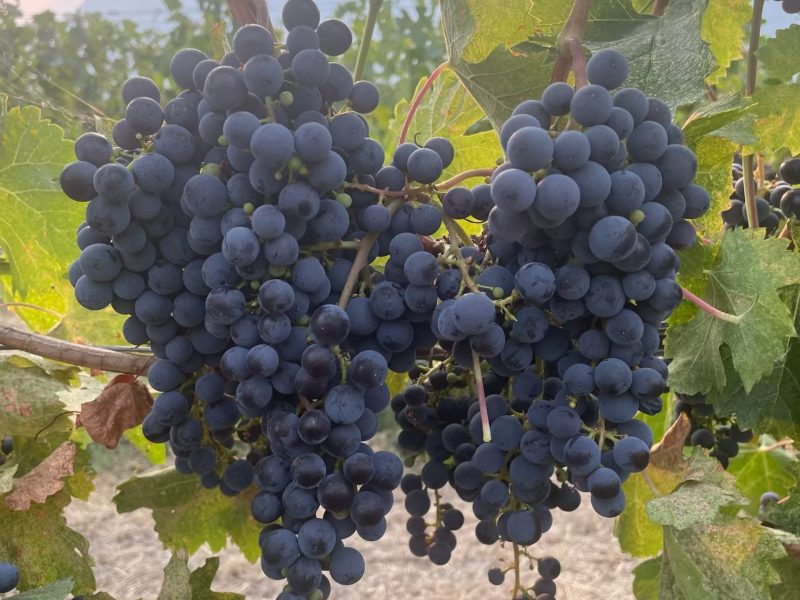
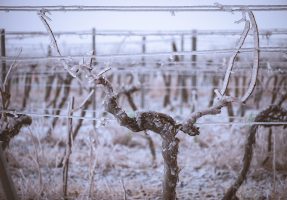
The province has extended the vintage replacement provisions introduced last year to support wineries bereft of grapes due to extreme cold in January 2024.
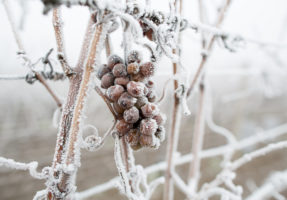
Vine damage resulted in a 99% crop loss last year and current projections anticipate a shortfall in the range of 40% this year. This amounts to about 10,000 tonnes of wine grapes.
“We are well on our way to recovering from the polar vortex,” says Jeff Guignard, president and CEO of Wine Growers BC. “But the harsh reality is we’re just not back yet.”
He says the growing season has been favourable, meaning a few hundred tonnes of grapes are available to buyers. This is about 20% more than growers originally expected.
Merlot is relatively abundant, while Sauvignon Blanc, Pinot Gris and Syrah are in short supply.
“But at the end of the day, hundreds of tonnes available doesn’t equal the thousands of tonnes that we’re short,” Guignard notes.
The provisions allow eligible wineries to craft wines in BC with grapes or juice from outside the province, complementing the growing volume of wines made with 100% BC fruit as production recovers from the 2024 freeze event. The wines will support a stable supply of made-in-BC product into 2026.
Approximately 100 of the province’s 306 grape wineries participated last year. Guignard expects a much lower number this year due to the late date of the program’s extension.
“I would expect at least two or three dozen wineries are going to take advantage of this, and they’re the ones that if they didn’t, there would be massive layoffs,” he says. “We just couldn’t have that happen.”
Fort Berens Estate Winery in Lillooet harvested 30% of its usual grape crop last fall with Cabernet Franc and Riesling vines faring best.
But the ability to work with Washington grapes was critical, says co-owner Heleen Pannekoek.
“The whole Washington grape project was amazing,” she says. “It didn’t cost the government anything. But the support was great to be able to continue to make wine and sell it.”
BC maintains a ban on imports of US alcohol, but Guignard says trade in fruit is a different matter. It represents cross-border collaboration at its best, with BC wineries adding value and securing revenue that supports their operations until a sufficient volume of made-in-BC product is once again available.
“This is a story of partnership and resilience while we get back on our feet, and customers have been responding really positively to that,” Guignard says. “This is about neighbours on one side of the border helping neighbours on the other side of the border. We believe in ‘make wine, not war’ in this situation.”
With files from Tom Walker
All content on this website is copyrighted, and cannot be republished or reproduced without permission.

 Country Life in BC reporting honoured