
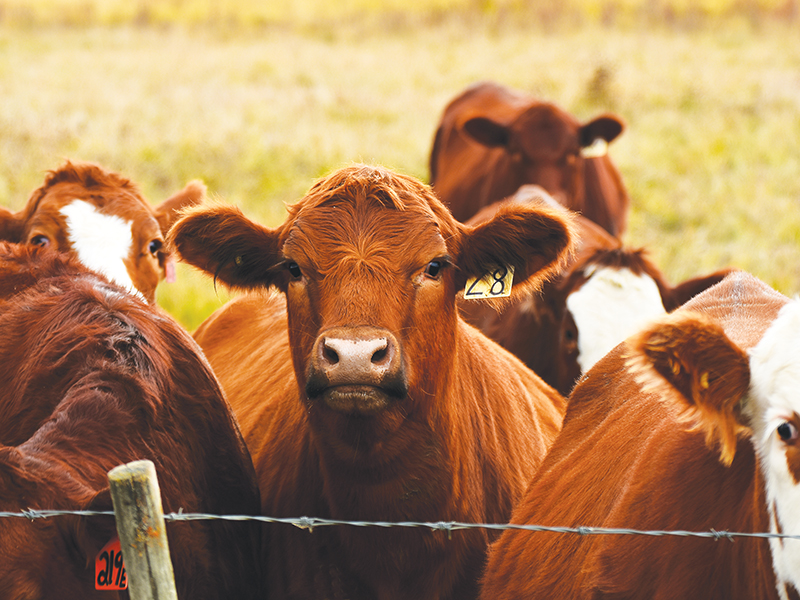
BC has the largest number of regions qualifying for the federal government’s livestock tax deferral provision this year.
The initial list of prescribed regions, released September 1, identifies 46 regions in BC from the central interior south to the Kootenays and the Fraser Valley. This compares to 13 in the rest of Canada, though the geographic scope is broader, including all of Labrador and northern Quebec from the Ungava Peninsula south to James Bay.
“Canadian producers and ranchers are on the front lines of climate change, and its effects can significantly impact operations,” Agriculture and Agri-food Canada says in announcing the designated regions. “When extreme weather strikes, livestock producers may experience forage shortfalls and need timely information and support to make effective herd management decisions.”
The livestock tax deferral provision allows producers whose breeding herd has dropped 15% to defer claiming income from the sale of stock until the following year, when the purchase of animals can be used to offset the income. This helps producers manage cash flows by reducing their tax burden.
Yet many of the BC regions designated for the program this year have been designated in the past. Last year, 90 regions were designated, many reportedly for the final time.
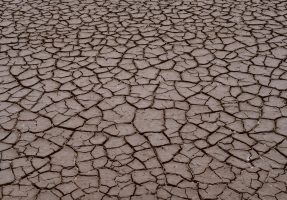
Yet the severity of this year’s drought means that many have once again been designated.
While the program allows producers to claim income one year after purchasing replacement stock in a subsequent year, rebuilding the BC herd has been slow going.
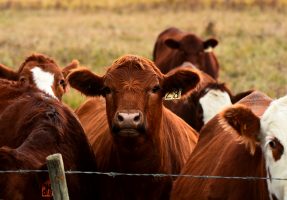
Statistics Canada reports that the BC herd has been in decline since 2018, dropping from 514,200 animals as of July 1 that year to 429,300 animals this year. While this year’s herd is slightly larger than last year’s by 3,300 animals, it’s the second-smallest since the turn of the century.
All content on this website is copyrighted, and cannot be republished or reproduced without permission.

 Ag critic Paton goes independent