• Menu
  • Skip to primary navigation
  • Skip to main content
  • Skip to primary sidebar

Country Life In BC Logo

The agricultural news source in British Columbia since 1915

  • Headlines
  • Calendar
  • Subscribe
  • Advertise
  • About
  • Archives
  • Contact
  • Search
  • Headlines
  • Calendar
  • Subscribe
  • Advertise
  • About
  • Archives
  • Contact
  • Search

Primary Sidebar

Originally published:

FEBRUARY 2023
Vol. 108 Issue 2

Subscribe Now!

Sign up for free weekly FARM NEWS UPDATES

Loading form…

Your information will not be
shared or sold ever

Stories In This Edition

Ghosted

Dairy farmers on the brink

Groundwater showdown

Finding success in succession planning

Editorial: The great repricing

Back 40: Government priorities are asking a lot

Viewpoint: Does farming need to be a full-time job?

Frozen out

Sidebar: Pruning it right

Letters: Program delivery, advocacy have separate roles

Wild weather continues to hammer dairies

Ag Briefs: Province hires two new assistant deputy ministers

Ag Briefs: BC Milk opens organic stream

Ag Briefs: ALC eyes Heppell property for inclusion

Building not land value bumps farm assessments

Province scrambles to register farm employees

Growers contest compensation formula for AI

Funding available for Langley landowners

Potato crop takes a hit but set to rebound in 2023

Low snowpack worrisome for producers

Prescribed burns part of the three-year study in the Peace

Farmgate abattoirs shut out of insurance

Sidebar: Survey explores insurance coverage

Ranch used as part of treaty settlement

Climate-resilient cattle take shape at TRU

Japanese beetle continues to spread

Field trial shows alternative to traditional crops

On-farm storage helps boost profitability

Market garden powered by solar energy

Farmers need to prioritize mental wellness

Scholarship takes chefs on tours of BC farms

Farm Story: Of things we would be lost without

Sheep producer expands wool market

Sidebar: How M.ovi impacts wild sheep

Fernie grocer stocks only local products

Woodshed: Kenneth’s rescue is touch and go

New map app educates public about BC farms

Snacks for your sweeties

More Headlines

Follow us on Facebook

Comments Box SVG iconsUsed for the like, share, comment, and reaction icons

6 days ago

A BC Forest Practices Board investigation has found overgrazing has damaged grasslands in the Coutlee Range Unit near Merritt — and the range-use plan meant to prevent it was unenforceable. With complaints about overgrazing on the rise and grasslands covering just 1% of BC's land mass, the findings raise fresh questions about how the province manages one of its most vulnerable — and valuable — food-producing ecosyste#BCAg#BCAg ... See MoreSee Less

Link thumbnail

Board finds overgrazing rules unenforceable unmeasurable

www.countrylifeinbc.com

MERRITT – A BC Forest Practices Board investigation has found instances of non-compliance related to overgrazing have damaged open grasslands in the Mine pasture, part of the Coutlee Range Unit near...
View Comments
  • Likes: 6
  • Shares: 6
  • Comments: 6

Comment on Facebook

Several ranchers in recent years have gone into temporary non use on that range , so that means the grass should grow. But drought conditions/lack of rain and snow don’t allow that to happen . Dried up springs , creeks waterholes in various pastures add to over grazing where there is water , as livestock and everything else stay close to the water source . So even though less cattle are on it , over grazing appears. There is a large volume of horses on it 365 days/year which is wrong ! They pull grass right out of the ground when it’s just trying to grow ,, opens the door for weeds to grow in. That don’t help it. Aging infrastructure ( fences) laying on the ground, pipe line building , ( lack of commitment to fence maintenance) amongst all users contributes also to over grazing. Recreational atv users leaving gates open between pastures allows livestock to go back or ahead in pastures also expidites over grazing. Logging ( bcts) has no problem laying out cut locks on both sides of a fence , then it gets smashed down during logging and they don’t take responsibility to stand it back up or clean the cattle gaurds out when they are done , that happened 4 years ago on pasture 5 up there . I bet it is still not fixed . There are lots of contributing factors to the problem.

Tragedy of the commons.

I looked through the report. I saw nothing about the effects of noxious weeds on productive grasslands. This particular area is vulnerable because of the Ministry’a efforts to diversify the use of the Grasslands.

This pasture is under tremendous pressure not only from cattle but from irresponsible local residents who treat it as a landfill dumping all manner of household debris here. And don't even get me started on the mud bogging and camping in sensitive riparian areas. The feral horses are in this pasture 365 days a year just hammering it. Would sure be nice to see some enforcement action on people who are intentionally ripping up the grasslands and riparian areas. Cattle could be a valuable resource for rebuilding soils and native grasses in this area with the help of electric fencing and/or e-collars. The humans will be harder to manage.

The Forest and Range Practices Act was written by lawyers for global forest licencee shareholders. Results-based = unenforceable.

Also, can we talk about the impact of a pipeline being built through the middle of this field for multiple years?

View more comments

1 week ago

East Kootenay rancher Randy Reay is digging a new well after two natural water sources dried up on his Crown tenures. A new Living Lakes Canada assessment found 15% of mapped aquifers in the region are high-priority for monitoring, yet 80% of those go unmonitored. With over 48% of BC's provincial observation wells reporting below-normal groundwater levels, ranchers and researchers are sounding the alarm on water security. The story is in our March edition, and we've posted it to our website thi#BCAgk.

#BCAg
... See MoreSee Less

Link thumbnail

Water woes: groundwater under pressure across BC

www.countrylifeinbc.com

JAFFRAY – As a young boy growing up in the Kootenay-Boundary region, Randy Reay never expected to run out of water. But this year, in mid-February, his fields are bare. There is no snow halfway up t...
View Comments
  • Likes: 8
  • Shares: 7
  • Comments: 1

Comment on Facebook

Jaffrey is in the east Kootenays not kooteney boundary

2 weeks ago

BC farmers are bracing for prolonged higher input costs as war in the Middle East drives up fuel and fertilizer prices. Nitrogen fertilizer costs were already climbing before the Iran conflict began, with prices still roughly 60% above pre-pandemic levels. Farm Credit Canada warns that unlike 2022, strong commodity prices may not offset rising costs this time. Local suppliers expect supply challenges and further price increases ahead.

#BCAg
... See MoreSee Less

Link thumbnail

Fertilizer prices on the rise

www.countrylifeinbc.com

War in the Middle East has delivered a generational shock to energy prices, meaning BC farmers can expect a prolonged period of higher costs not just for fuel but also for fertilizer.
View Comments
  • Likes: 2
  • Shares: 1
  • Comments: 0

Comment on Facebook

2 weeks ago

... See MoreSee Less

View Comments
  • Likes: 1
  • Shares: 0
  • Comments: 0

Comment on Facebook

2 weeks ago

Cameron Stockdale is the new executive director of provincial farm safety organization AgSafeBC. Find out more in this week's Farm News Update from Country Life in B#BCAg#BCAg ... See MoreSee Less

Link thumbnail

New leadership at AgSafe BC

www.countrylifeinbc.com

Cameron Stockdale is the new executive director of provincial farm safety organization AgSafeBC, succeeding Wendy Bennett. Bennett left AgSafeBC in September 2025, following 12 years with the…
View Comments
  • Likes: 5
  • Shares: 1
  • Comments: 0

Comment on Facebook

Subscribe | Advertise

The agricultural news source in British Columbia since 1915
  • Email
  • Facebook

Farmgate abattoirs shut out of insurance

Insurers don’t understand new licensing regime, industry

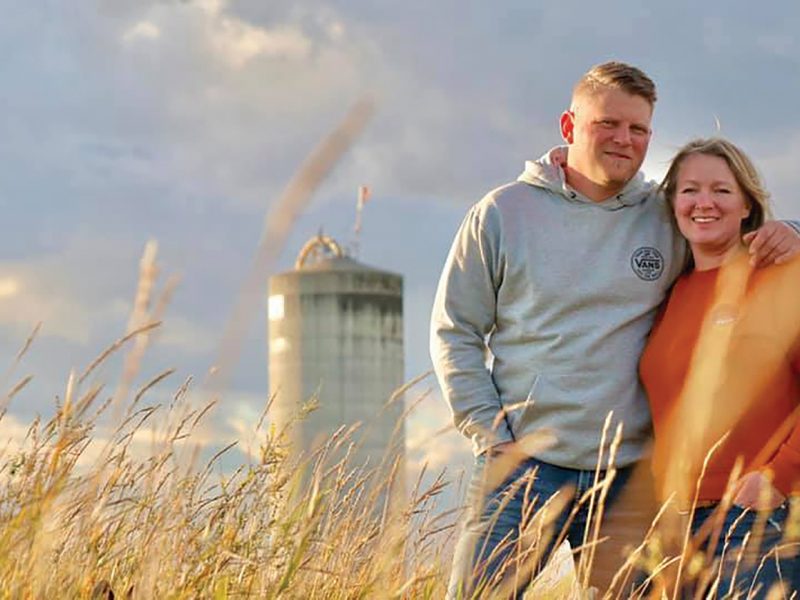
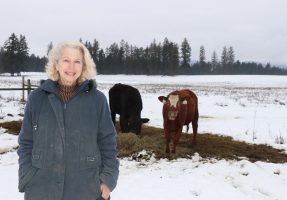
Aaron and Pam Tjepkema were turned down by several insurers for their farmgate abattoir before finally securing coverage from BFL Canada. Dozens of other producers aren't so lucky. FACEBOOK

February 1, 2023 byTom Walker

FORT ST. JOHN – Dozens of new producers granted

on-farm meat processing licences since the province overhauled its meat inspection regime in fall 2021  now face hurdles securing insurance coverage.

“When we looked into getting coverage for a Farmgate Plus licence for poultry, I was given a hard ‘no,’” says Pam Tjepkema of Peace Vale Farm and Meat Shop in Fort St. John.

Peace Vale is a licensed butcher that provides cut-and-wrap for the Tjepkema’s own farm-raised beef as well as that of neighbouring producers.

“We have an abattoir in our area and we are happy continuing to use it for our beef, but we were considering raising chickens and would want to process them ourselves,” she says.

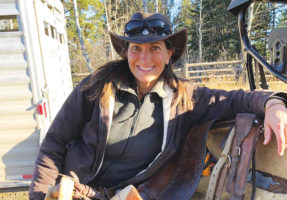
Tjepkema spoke to a number of insurers before securing what she considered the best possible coverage from Crystal Piggott, an account executive with BFL Canada in Salmon Arm.

“She was able to give us coverage for our butcher shop and all of the farm together, but not for a farmgate licence,” Tjepkema says.

Country Life in BC spoke to a number of farmgate licence holders across the province who have been unable to obtain coverage.

“I’m not sure that any of the farmgate businesses really have insurance,” says Julia Smith, executive director of the Small-Scale Meat Producers Association. “They may think that they have coverage, but when they really study their policy, I am worried that they do not have the coverage they think.”

It’s not for lack of trying.

“We’ve been ghosted,” is how one long-time South Coast licensee described the frustration of dealing with insurance companies (the producer asked for anonymity as the operation’s lease could be jeopardized by a lack of insurance). “We would initiate a conversation and they just wouldn’t get back to us, which is odd, because an insurance company is usually all over you to get your business.”

The government has moved to bring more regulation to the industry and open up more opportunities for processing, but a lack of insurance is creating issues for producers.

“This is critical and can’t be ignored. We need some support,” the South Coast licensee says. “The government has taken steps to make us more legal. We should be insurable. Bungee-jumping and zip-line companies are, but we have been unable to obtain even partial coverage for either our house, our buildings or for the inventory of meat that we keep on site when we explain that we have a Farmgate licence for on-farm processing.”

Insurance hasn’t been a problem for one government-inspected facility.

“We were able to get coverage when we opened our slaughter plant to go with our cut-and-wrap this fall,” says Dean Maynard, co-owner of Farmhouse Butchery in Westbridge. “The fact that you have a government inspector on site at all times really makes a difference.”

Piggott says government inspection is key.

“If a producer gets the slaughter done at a provincially inspected facility, we are able to put together coverage for the farm and an on-site butcher shop,” she says. “But we have a concern with on-farm slaughter, whether they may be taking in other animals besides their own, and also the disposal of the processing waste.”

But insurers may not fully understand the new licensing system, and producers say it’s government’s job to explain it.

“We didn’t put together a full package to support our request for poultry farmgate coverage as we are pretty busy,” says Tjepkema. “There is an opportunity for the government to explain to the insurance industry what the farmgate licence requires, including the SlaughterSafe course, the development of a food safety plan, standard operating procedures, and a minimum of a yearly inspection.”

SSMPA is working to fill the gap, Smith says.

“We are working with different insurance companies to explain the system to them and try to see if we can build a group plan for our members,” she explains. “But we also hope that the government will move towards more virtual inspection services. They’ve talked about it, our members are in favour of it, and it could help with insurance coverage.”
Related Posts

You may be interested in these posts from the same category.

Spallumcheen cuts, wraps deal for butcher hub

Insurer steps up to cover farmgate abattoirs

Poultry gatherings banned

Abattoir closure leaves producers scrambling

Salmon Arm abattoir closes

Second high-path AI case

Bird flu hits Enderby farm

Small-scale producers voice concerns

Challenges linger for meat plants

New executive director for Small-Scale Meat Producers

Previous Post: « TJ Schur to lead IAF
Next Post: Farmers need to prioritize mental wellness »

Copyright © 2026 Country Life in BC · All Rights Reserved