• Menu
  • Skip to primary navigation
  • Skip to main content
  • Skip to primary sidebar

Country Life In BC Logo

The agricultural news source in British Columbia since 1915

  • Headlines
  • Calendar
  • Subscribe
  • Advertise
  • About
  • Archives
  • Contact
  • Search
  • Headlines
  • Calendar
  • Subscribe
  • Advertise
  • About
  • Archives
  • Contact
  • Search

Primary Sidebar

Current Issue:

JANUARY 2026
Vol. 112 Issue 1

Subscribe Now!

Sign up for free weekly FARM NEWS UPDATES

Select list(s) to subscribe to


By submitting this form, you are consenting to receive marketing emails from: Country Life in BC. You can revoke your consent to receive emails at any time by using the SafeUnsubscribe® link, found at the bottom of every email. Emails are serviced by Constant Contact
Your information will not be
shared or sold ever

Follow us on Facebook

Comments Box SVG iconsUsed for the like, share, comment, and reaction icons

16 hours ago

BC's minimum piece rates for 15 hand-harvested crops increased 2.6% on December 31. Crops include peaches, apricots, brussels sprouts, daffodils, mushrooms, apples, beans, blueberries, cherries, grapes, pears, peas, prune plums, raspberries and strawberries. Farm-worker piece rates in BC were increased by 11.5% in January 2019 and 6.9% in December 2024. BC’s current minimum wage sits at $17.85 per hour.

#BCAg
... See MoreSee Less

BCs minimum piece rates for 15 hand-harvested crops increased 2.6% on December 31. Crops include peaches, apricots, brussels sprouts, daffodils, mushrooms, apples, beans, blueberries, cherries, grapes, pears, peas, prune plums, raspberries and strawberries. Farm-worker piece rates in BC were increased by 11.5% in January 2019 and 6.9% in December 2024. BC’s current minimum wage sits at $17.85 per hour. 

#BCAg
View Comments
  • Likes: 7
  • Shares: 0
  • Comments: 2

Comment on Facebook

I'm not sure what they're telling us. Did peace rates have to increase so that Farm workers could make minimum wage?

They deserve it, but the general public will be whining about increased prices in the stores. Will need to make more information average to the g.p.

3 days ago

... See MoreSee Less

View Comments
  • Likes: 10
  • Shares: 0
  • Comments: 0

Comment on Facebook

1 week ago

... See MoreSee Less

View Comments
  • Likes: 7
  • Shares: 0
  • Comments: 0

Comment on Facebook

3 weeks ago

Water volumes from the Nooksack River are at levels similar to 1990 and 2021, but the province says flows should peak at 10pm tonight. The shorter duration, as well as conditions in other watercourses within the watershed and performance of flood protection infrastructure should avoid a catastrophe on the scale of 2021. However, several landslides mean road closures have once again effectively isolated the Lower Mainland from the rest of the province.

#BCag
... See MoreSee Less

Water volumes from the Nooksack River are at levels similar to 1990 and 2021, but the province says flows should peak at 10pm tonight. The shorter duration, as well as conditions in other watercourses within the watershed and performance of flood protection infrastructure should avoid a catastrophe on the scale of 2021. However, several landslides mean road closures have once again effectively isolated the Lower Mainland from the rest of the province.

#BCAg
View Comments
  • Likes: 9
  • Shares: 3
  • Comments: 1

Comment on Facebook

Family living in Sumas WA say it's very much like '21. They have the same amount of water in their house as last time.

1 month ago

... See MoreSee Less

View Comments
  • Likes: 4
  • Shares: 0
  • Comments: 0

Comment on Facebook

Subscribe | Advertise

The agricultural news source in British Columbia since 1915
  • Email
  • Facebook

Pandemic highlights SAWP improvements

June 24, 2020 byPeter Mitham

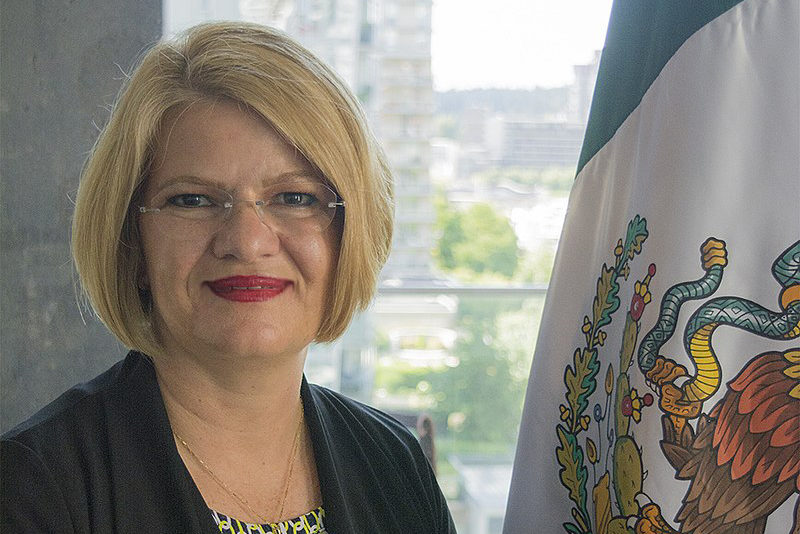
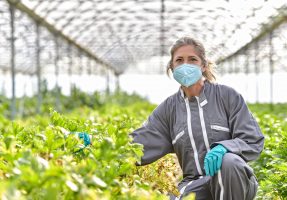
British Columbia’s response to COVID-19 has set an example for other provinces in managing seasonal farm workers this year, but Mexico’s consul-general in Vancouver says an overhaul of the program remains necessary.

“British Columbia has done exceptional things,” Berenice Díaz Ceballos told Country Life in BC, singling out the province’s decision to fund housing and meals for incoming workers. “I think that’s a very excellent idea, because that’s one of the ways to make sure the workers are not bringing the COVID-19 in, to avoid any kind of stigmatization of [workers].”

She also praised the province’s efforts to inspect worker housing to ensure that it met requirements of public health orders aimed at preventing COVID-19 and protecting workers.

However, the measures that have largely prevented issues this year point a way in which the Seasonal Agricultural Worker Program could be improved in future. Mexico announced June 21 that it had established an intergovernmental committee with Canada to chart overhaul the program.

“It’s a mix of different factors that have made things go better, but we cannot drop the guard,” Ceballos said. “We know where the problems are, and I am sure after COVID-19 has passed that these temporary measures will become permanent, because I think that’s the way to [protect] the safety, health and human rights of foreign workers.”

Since foreign labour is critical to delivering the essential service of food production, Ceballos said Canada also needs to enforce the laws governing foreign workers and crack down on employers that mistreat workers or otherwise don’t live up to their obligations.

“It’s clear for everybody that this program, which is a collaboration between Mexico and Canada, has to be overhauled completely,” she said, noting that since Mexico began participating in 1974, it has expanded across Canada but with various rules for each region. Since her arrival in Vancouver in 2016, Ceballos has overseen efforts with SAWP stakeholders ranging from government to industry to non-governmental organizations to identify and address issues. Ottawa established a working group in 2018 that has made significant progress. Collaboration to address issues during the pandemic is a fruit of those efforts.

Previously, Mexico was regularly criticized for not having any consular representation in the Okanagan similar to what Caribbean governments have had. This made for less productive relationships with growers. Ceballos said improvements in communication mean her staff are now in regular touch with more than 5,000 workers from Mexico and 350 farms throughout the season.

Related Posts

You may be interested in these posts from the same category.

COVID-19 response reviewed

Federal election call

Farmers market returns

Sector events start growing

WorkSafeBC increases inspections

Sunrise Poultry COVID outbreak

Flight ban strands workers

Travel restrictions raise concerns

Foreign worker vaccination prioritized

Strict pandemic plan keeps workers safe

Growers anxious about labour

Governments boost worker supports

Previous Post: « Cherries face the pits
Next Post: Cidermakers give fresh purpose to island orchards »

Copyright © 2026 Country Life in BC · All Rights Reserved