• Menu
  • Skip to primary navigation
  • Skip to main content
  • Skip to primary sidebar

Country Life In BC Logo

The agricultural news source in British Columbia since 1915

  • Headlines
  • Calendar
  • Subscribe
  • Advertise
  • About
  • Archives
  • Contact
  • Search
  • Headlines
  • Calendar
  • Subscribe
  • Advertise
  • About
  • Archives
  • Contact
  • Search

Primary Sidebar

Current Issue:

JANUARY 2026
Vol. 112 Issue 1

Subscribe Now!

Sign up for free weekly FARM NEWS UPDATES

Select list(s) to subscribe to


By submitting this form, you are consenting to receive marketing emails from: Country Life in BC. You can revoke your consent to receive emails at any time by using the SafeUnsubscribe® link, found at the bottom of every email. Emails are serviced by Constant Contact
Your information will not be
shared or sold ever

Follow us on Facebook

Comments Box SVG iconsUsed for the like, share, comment, and reaction icons

10 hours ago

BC's minimum piece rates for 15 hand-harvested crops increased 2.6% on December 31. Crops include peaches, apricots, brussels sprouts, daffodils, mushrooms, apples, beans, blueberries, cherries, grapes, pears, peas, prune plums, raspberries and strawberries. Farm-worker piece rates in BC were increased by 11.5% in January 2019 and 6.9% in December 2024. BC’s current minimum wage sits at $17.85 per hour.

#BCAg
... See MoreSee Less

BCs minimum piece rates for 15 hand-harvested crops increased 2.6% on December 31. Crops include peaches, apricots, brussels sprouts, daffodils, mushrooms, apples, beans, blueberries, cherries, grapes, pears, peas, prune plums, raspberries and strawberries. Farm-worker piece rates in BC were increased by 11.5% in January 2019 and 6.9% in December 2024. BC’s current minimum wage sits at $17.85 per hour. 

#BCAg
View Comments
  • Likes: 6
  • Shares: 0
  • Comments: 2

Comment on Facebook

I'm not sure what they're telling us. Did peace rates have to increase so that Farm workers could make minimum wage?

They deserve it, but the general public will be whining about increased prices in the stores. Will need to make more information average to the g.p.

2 days ago

... See MoreSee Less

View Comments
  • Likes: 9
  • Shares: 0
  • Comments: 0

Comment on Facebook

1 week ago

... See MoreSee Less

View Comments
  • Likes: 7
  • Shares: 0
  • Comments: 0

Comment on Facebook

3 weeks ago

Water volumes from the Nooksack River are at levels similar to 1990 and 2021, but the province says flows should peak at 10pm tonight. The shorter duration, as well as conditions in other watercourses within the watershed and performance of flood protection infrastructure should avoid a catastrophe on the scale of 2021. However, several landslides mean road closures have once again effectively isolated the Lower Mainland from the rest of the province.

#BCag
... See MoreSee Less

Water volumes from the Nooksack River are at levels similar to 1990 and 2021, but the province says flows should peak at 10pm tonight. The shorter duration, as well as conditions in other watercourses within the watershed and performance of flood protection infrastructure should avoid a catastrophe on the scale of 2021. However, several landslides mean road closures have once again effectively isolated the Lower Mainland from the rest of the province.

#BCAg
View Comments
  • Likes: 9
  • Shares: 3
  • Comments: 1

Comment on Facebook

Family living in Sumas WA say it's very much like '21. They have the same amount of water in their house as last time.

1 month ago

... See MoreSee Less

View Comments
  • Likes: 4
  • Shares: 0
  • Comments: 0

Comment on Facebook

Subscribe | Advertise

The agricultural news source in British Columbia since 1915
  • Email
  • Facebook

Ranchers watching bluetongue outbreak

File

September 1, 2021 byPeter Mitham And Barbara Johnstone Grimmer

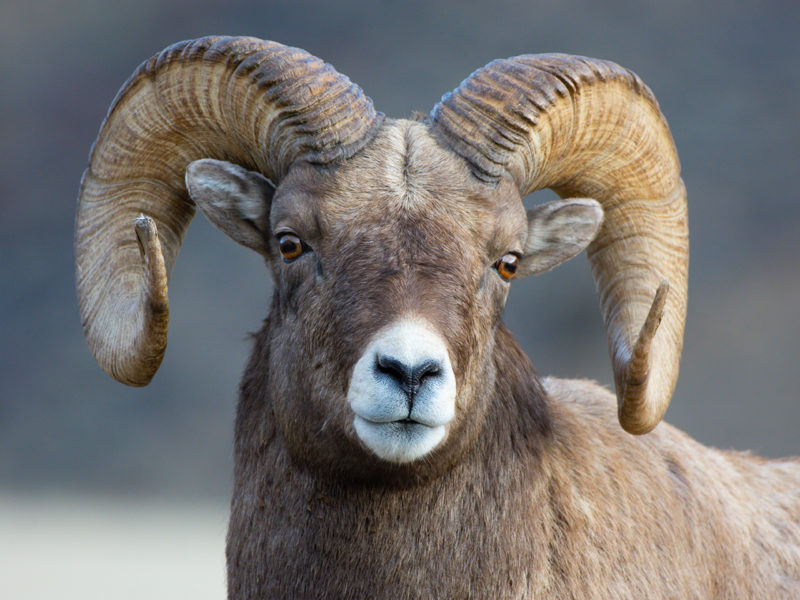
An outbreak of bluetongue among bighorn sheep in the Grand Forks area has livestock producers on watch.

There have been 12 possible cases identified, though lab testing is still in progress. Several white-tailed deer in Washington have also contracted the disease.

The virus that causes the disease is spread by biting midges (also known as “no-see-ums”), which are only found in the southern Interior. There is no Bluetongue vaccine licensed in Canada, and no treatment.

Sheep are most susceptible, with a high mortality rate, but all ruminants are at risk. Most cases of the disease show no symptoms other than weight loss, milk loss and fertility losses. However, sheep may exhibit excessive salivation, panting, swollen tongue or ears and muzzle ulcers.

While the disease is a larger issue for sheep producers than cattle producers, BC Cattlemen’s Association general manager Kevin Boon has told local ranchers to be vigilant.

“This outbreak is earlier in the season than normal likely due to abnormally warm temperatures this summer,” says Boon. “The only control right now is basically insect control and most are doing what they can do to help themselves.”

Keeping animals inside when midges are most active may decrease transmission. Veterinarians recommend newer topical fly products such as Saber and Boss, which can minimize bites for up to four months.

Canadian Food Inspection Agency staff are aware of the outbreak, which is a reportable disease. CFIA is genotyping the outbreak to better understand it and clarify the risk to domestic livestock.

The disease does not pose a risk to human health.
Related Posts

You may be interested in these posts from the same category.

Breathing new life into historic ranches

Province lacks reconciliation roadmap: ranchers

BC wool value, volume drop

Beef herd drops

Feed available but stocks low

BC Cherry holds AGM

Land Act changes deferred

Land Act firestorm

Dam violations face fines

Rangeland forage allocation studied

Communication critical to solve water issues

Province funds feed access

Previous Post: « PNE auction stays online
Next Post: Producers face unannounced welfare checks »

Copyright © 2026 Country Life in BC · All Rights Reserved