• Menu
  • Skip to primary navigation
  • Skip to main content
  • Skip to primary sidebar

Country Life In BC Logo

The agricultural news source in British Columbia since 1915

  • Headlines
  • Calendar
  • Subscribe
  • Advertise
  • About
  • Archives
  • Contact
  • Search
  • Headlines
  • Calendar
  • Subscribe
  • Advertise
  • About
  • Archives
  • Contact
  • Search

Primary Sidebar

Originally published:

AUGUST 2021
Vol. 107 Issue 8

Subscribe Now!

Sign up for free weekly FARM NEWS UPDATES

Loading form…

Your information will not be
shared or sold ever

Stories In This Edition

Heat Wave

Night moves

Record temps kill poultry

High heat, low moisture vexes ranchers

Editorial: Unprecedented

Back forty: Summer means being prepared for wildfires

Viewpoint: Overheated markets make farming harder

Province allows secondary homes in the ALR

National farm building code set for update

Grain producers refocus on advocacy, research

Ag Briefs: BC Blueberry Council gets new chair

Ag Briefs: Islands Trust defers policy statement

Ag Briefs: BCAC’s consumer research yields four key findings

Provincial meat licensing overhaul effective October

Farm fresh

New tech could build a better cattle fence

Buchler recognized for practices, generosity

First certified sustainable wine makes debut

Ag targetted to reduce emissions in Clean Air Plan

Helping cattle keep their cool in the heat

Free recycling of ag plastics for northern BC

Pesiticide colleciton returns to the southern interior

Indigienous farms plow new ground with funding

It’s easy being green

Flower farm meets growing demand

New resources support small-lot pork producers

BC going full boar against feral pigs

Cannabis grower has the ‘happiest worms’

AEMCoP updates take effect

Forging new successes with the family farm

Cutworm study looks at damage below ground

Beet growers see red over leaf miner

Armyworm pressure low

Research: Research explores scrapie resistance in goats

Sidebar: Scrapie eradication tips

Woodshed: Graduation plans sworn to secrecy

Cherry grower diversifies as orchard declines

Jude’s Kitchen: Eats for a hot summer day

Farm Story: Reaping more by sowing elss makes perfect sense

More Headlines

Follow us on Facebook

Comments Box SVG iconsUsed for the like, share, comment, and reaction icons

5 hours ago

The Agricultural Land Commission is laying off staff after years of flat funding under the BC NDP. ALC chair Jennifer Dyson warns that application volumes, enforcement activity and legal obligations have all risen while its operating budget has stayed effectively flat — meaning longer wait times ahead for some services.

#BCAg
... See MoreSee Less

Link thumbnail

Land Commission lays off staff

www.countrylifeinbc.com

With no budget increase this year, the Agricultural Land Commission (ALC) is laying off six staff to make ends meet. “Ongoing financial constraints and the requirement to operate within the approved...
View Comments
  • Likes: 0
  • Shares: 3
  • Comments: 0

Comment on Facebook

6 days ago

A BC Forest Practices Board investigation has found overgrazing has damaged grasslands in the Coutlee Range Unit near Merritt — and the range-use plan meant to prevent it was unenforceable. With complaints about overgrazing on the rise and grasslands covering just 1% of BC's land mass, the findings raise fresh questions about how the province manages one of its most vulnerable — and valuable — food-producing ecosyste#BCAg#BCAg ... See MoreSee Less

Link thumbnail

Board finds overgrazing rules unenforceable unmeasurable

www.countrylifeinbc.com

MERRITT – A BC Forest Practices Board investigation has found instances of non-compliance related to overgrazing have damaged open grasslands in the Mine pasture, part of the Coutlee Range Unit near...
View Comments
  • Likes: 6
  • Shares: 6
  • Comments: 6

Comment on Facebook

Several ranchers in recent years have gone into temporary non use on that range , so that means the grass should grow. But drought conditions/lack of rain and snow don’t allow that to happen . Dried up springs , creeks waterholes in various pastures add to over grazing where there is water , as livestock and everything else stay close to the water source . So even though less cattle are on it , over grazing appears. There is a large volume of horses on it 365 days/year which is wrong ! They pull grass right out of the ground when it’s just trying to grow ,, opens the door for weeds to grow in. That don’t help it. Aging infrastructure ( fences) laying on the ground, pipe line building , ( lack of commitment to fence maintenance) amongst all users contributes also to over grazing. Recreational atv users leaving gates open between pastures allows livestock to go back or ahead in pastures also expidites over grazing. Logging ( bcts) has no problem laying out cut locks on both sides of a fence , then it gets smashed down during logging and they don’t take responsibility to stand it back up or clean the cattle gaurds out when they are done , that happened 4 years ago on pasture 5 up there . I bet it is still not fixed . There are lots of contributing factors to the problem.

Tragedy of the commons.

I looked through the report. I saw nothing about the effects of noxious weeds on productive grasslands. This particular area is vulnerable because of the Ministry’a efforts to diversify the use of the Grasslands.

This pasture is under tremendous pressure not only from cattle but from irresponsible local residents who treat it as a landfill dumping all manner of household debris here. And don't even get me started on the mud bogging and camping in sensitive riparian areas. The feral horses are in this pasture 365 days a year just hammering it. Would sure be nice to see some enforcement action on people who are intentionally ripping up the grasslands and riparian areas. Cattle could be a valuable resource for rebuilding soils and native grasses in this area with the help of electric fencing and/or e-collars. The humans will be harder to manage.

The Forest and Range Practices Act was written by lawyers for global forest licencee shareholders. Results-based = unenforceable.

Also, can we talk about the impact of a pipeline being built through the middle of this field for multiple years?

View more comments

1 week ago

East Kootenay rancher Randy Reay is digging a new well after two natural water sources dried up on his Crown tenures. A new Living Lakes Canada assessment found 15% of mapped aquifers in the region are high-priority for monitoring, yet 80% of those go unmonitored. With over 48% of BC's provincial observation wells reporting below-normal groundwater levels, ranchers and researchers are sounding the alarm on water security. The story is in our March edition, and we've posted it to our website thi#BCAgk.

#BCAg
... See MoreSee Less

Link thumbnail

Water woes: groundwater under pressure across BC

www.countrylifeinbc.com

JAFFRAY – As a young boy growing up in the Kootenay-Boundary region, Randy Reay never expected to run out of water. But this year, in mid-February, his fields are bare. There is no snow halfway up t...
View Comments
  • Likes: 8
  • Shares: 7
  • Comments: 1

Comment on Facebook

Jaffrey is in the east Kootenays not kooteney boundary

2 weeks ago

BC farmers are bracing for prolonged higher input costs as war in the Middle East drives up fuel and fertilizer prices. Nitrogen fertilizer costs were already climbing before the Iran conflict began, with prices still roughly 60% above pre-pandemic levels. Farm Credit Canada warns that unlike 2022, strong commodity prices may not offset rising costs this time. Local suppliers expect supply challenges and further price increases ahead.

#BCAg
... See MoreSee Less

Link thumbnail

Fertilizer prices on the rise

www.countrylifeinbc.com

War in the Middle East has delivered a generational shock to energy prices, meaning BC farmers can expect a prolonged period of higher costs not just for fuel but also for fertilizer.
View Comments
  • Likes: 2
  • Shares: 1
  • Comments: 0

Comment on Facebook

2 weeks ago

... See MoreSee Less

View Comments
  • Likes: 1
  • Shares: 0
  • Comments: 0

Comment on Facebook

Subscribe | Advertise

The agricultural news source in British Columbia since 1915
  • Email
  • Facebook

Record temps kill poultry

Cattle fare better, but production down all-round

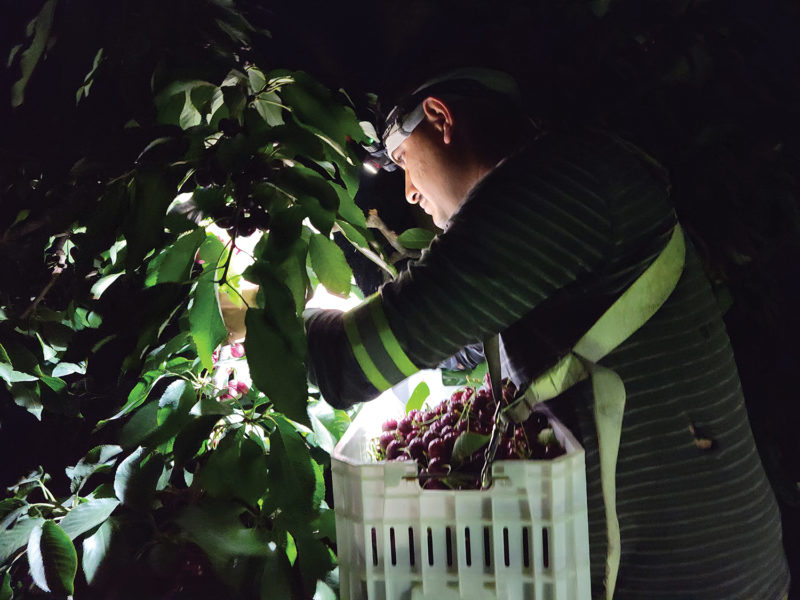
NIGHT MOVES: Temperatures creeping up to the low 30s and smoke from neighbouring wildfires prompted Jealous Fruits to pick their cherries in the relative comfort of dark beginning July 16. Using a headlamp to light his way, Eduardo Vaca Castro was one of a crew of 125 pickers whose shift started at midnight when temperatures had cooled to the low 20s. MYRNA STARK LEADER

August 1, 2021 byKate Ayers & Peter Mitham

SURREY – Three days of record-setting temperatures at the end of June made for sweat-soaked chores for many farmers, but cattle and poultry producers also faced the challenge of keeping their animals cool, too.

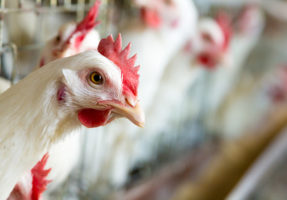
Poultry producers were especially vulnerable, as birds don’t sweat, meaning they can’t cool down.

Broiler producers in the Fraser Valley lost approximately 400,000 birds, or about 20% of the week’s production.

“It’s very, very bad and devastating for the growers that lost them,” says Bill Vanderspek, executive director of the BC Chicken Marketing Board.

While breeders, egg producers and turkey growers also saw losses from the heat wave, Vanderspek said broiler birds are more vulnerable because they tend to be younger and grow quickly.

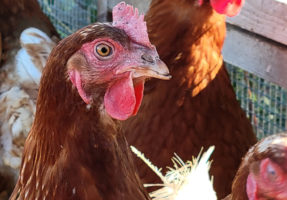
BC Egg Marketing Board executive director Katie Lowe said about 4% of BC laying hens fell victim to the heat, primarily in the Fraser Valley and on Vancouver Island. This amounts to more than 130,000 birds.

“The one thing we have going for us is new facilities with tunnel ventilation,” said Lowe. “Those systems seem to do very well.”

Growers with ventilation systems to protect their flocks can obtain heat prostration insurance, Vanderspek says. Many of his growers who lost birds will be filing claims.

Smaller producers also saw losses.

TJ Walkem of 60 Ranch in Spences Bridge lost half his chickens to the heat, in sharp contrast to his beef cattle. The ranch’s herd of 265 animals were able to find cool spots during the day.

Agassiz dairy farmer Julaine Treur of Creekside Dairy said the heat was tough on her animals, with production down significantly. But at least they could sleep under fans at night.

“They’re not off feed, and they’re still chewing their cud while relaxing under the huge barn fans,” she said. “They spend their nights on pasture where it’s slightly cooler.”

Wool coats – the last thing most people want in a heat wave – was also no picnic for sheep.

BC Sheep Federation president Barbara Ydenberg of Wind’s Reach Farm in Langley said her flock sought out shade but those locations are also coyote-friendly nooks. This meant some producers were forced to watch over their herds by day, leaving shepherds vulnerable to the extreme heat.

Some unshorn sheep suffered acute discomfort.

While shearing a heat-stressed sheep isn’t something Ydenberg recommends, she said one producer had no choice. A black sheep was hand-shorn during the heat wave, cooling it down and saving it from a traumatic death.
Related Posts

You may be interested in these posts from the same category.

Wildfires rip through Southern Interior

AI response in spotlight

Ministers discuss avian influenza

Poultry gatherings banned

Wildfire threat remains high

Ranchers facing rangeland losses

Second high-path AI case

Ranchers face rangeland losses

BC Chicken picks Siemens

Wildfire 2021: ‘They keep locals in the dark. That is really problematic.’

Don’t blame the wildfires

Wildfire state of emergency ends

Previous Post: « Fruit growers face hard choices
Next Post: Provincial meat licensing overhaul effective October »

Copyright © 2026 Country Life in BC · All Rights Reserved