
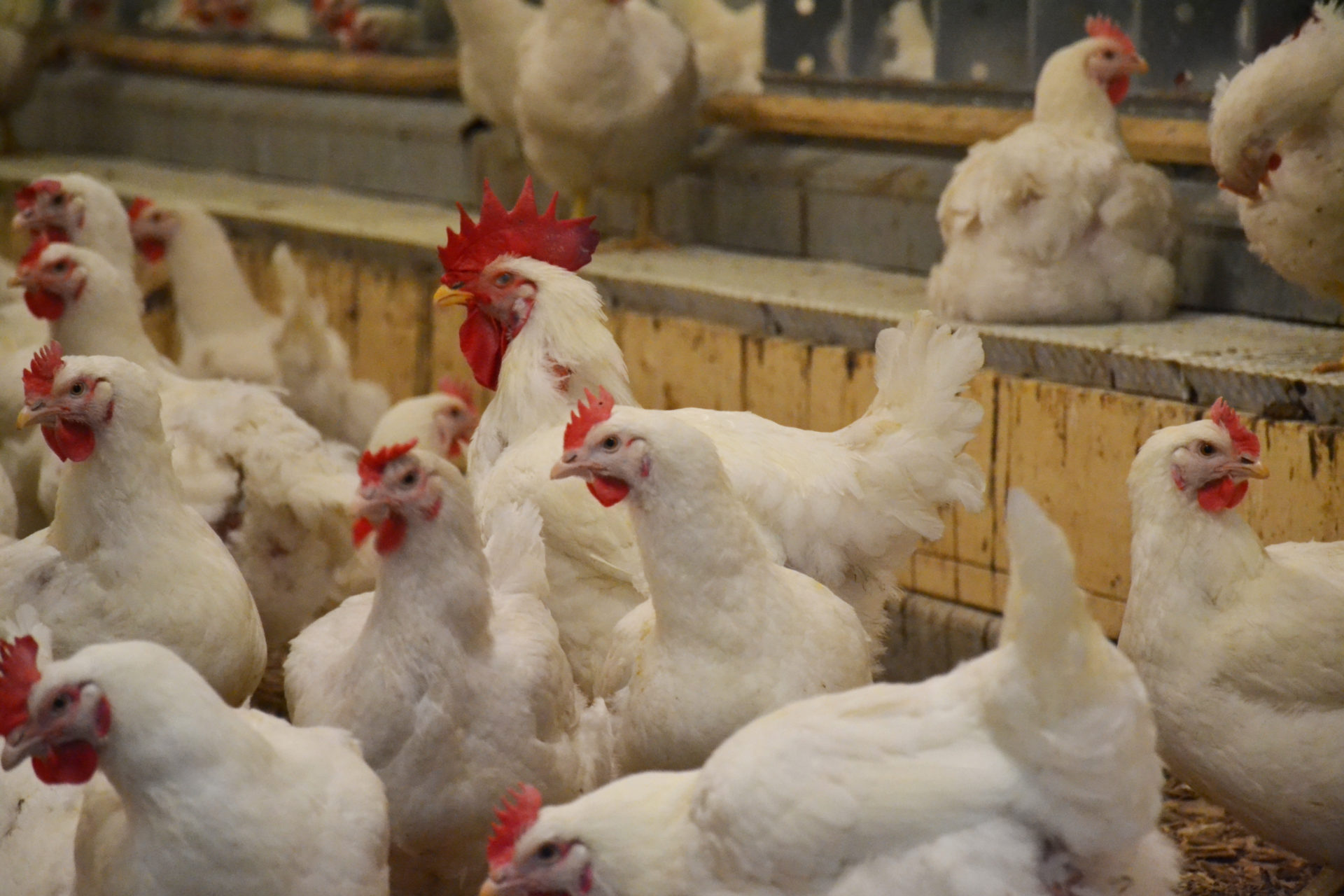
Two premises in Langley tested positive for highly pathogenic avian influenza this week, even as a control zone in Abbotsford was revoked after meeting post-outbreak surveillance requirements.
The two premises include a commercial flock announced February 23 and a non-commercial flock on February 24. The detections move the industry back to a red biosecurity level, indicative of the heightened risk and utmost precaution required to prevent a broader outbreak.
The cases are the first detected in BC since January 8, when a non-commercial flock within the Capital Regional District tested positive.
The last commercial farms to test positive did so in Abbotsford on December 19, and there were high hopes that this winter’s wave was over.
This prompted the BC Poultry Association to scale back the biosecurity threat level to yellow at the beginning of February.
“While BC is no longer in an active outbreak that mandates a red-level response, risk remains elevated,” the association said in announcing the decision.
A key factor in the decision was the lack of positive HPAI test results from the province’s wild bird testing program.
While migratory birds remain present in the province, traces of HPAI are scarce and neighbouring jurisdictions, including Alberta and Washington, are also experiencing lower instances of infections.
Strong biosecurity has helped limit this winter’s case load to just 38 premises and 1.25 million birds impacted, versus 81 premises last winter impacting 2.7 million birds.
However, the number of infected premises remains half that of last year, indicating that the industry avoided an outbreak on the scale of previous years.
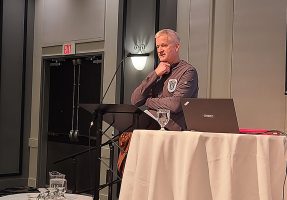
Should this continue, Farm Credit Canada senior economist Graeme Crosbie said the poultry sector, along with dairy and beef, should be a bright spot for BC’s farm economy this year.
While a weak economy and trade uncertainties keep other sectors in check, broiler and other livestock producers should see good times.
“They should have a pretty good 2026,” Crosbie says.






 Capital spending to rise