• Menu
  • Skip to primary navigation
  • Skip to main content
  • Skip to primary sidebar

Country Life In BC Logo

The agricultural news source in British Columbia since 1915

  • Headlines
  • Calendar
  • Subscribe
  • Advertise
  • About
  • Archives
  • Contact
  • Search
  • Headlines
  • Calendar
  • Subscribe
  • Advertise
  • About
  • Archives
  • Contact
  • Search

Primary Sidebar

Current Issue:

DECEMBER 2025
Vol. 111 Issue 11

Subscribe Now!

Sign up for free weekly FARM NEWS UPDATES

Select list(s) to subscribe to


By submitting this form, you are consenting to receive marketing emails from: Country Life in BC. You can revoke your consent to receive emails at any time by using the SafeUnsubscribe® link, found at the bottom of every email. Emails are serviced by Constant Contact
Your information will not be
shared or sold ever

Follow us on Facebook

Comments Box SVG iconsUsed for the like, share, comment, and reaction icons

3 days ago

Water volumes from the Nooksack River are at levels similar to 1990 and 2021, but the province says flows should peak at 10pm tonight. The shorter duration, as well as conditions in other watercourses within the watershed and performance of flood protection infrastructure should avoid a catastrophe on the scale of 2021. However, several landslides mean road closures have once again effectively isolated the Lower Mainland from the rest of the province.

#BCAg
... See MoreSee Less

Water volumes from the Nooksack River are at levels similar to 1990 and 2021, but the province says flows should peak at 10pm tonight. The shorter duration, as well as conditions in other watercourses within the watershed and performance of flood protection infrastructure should avoid a catastrophe on the scale of 2021. However, several landslides mean road closures have once again effectively isolated the Lower Mainland from the rest of the province.

#BCAg
View Comments
  • Likes: 9
  • Shares: 3
  • Comments: 1

Comment on Facebook

Family living in Sumas WA say it's very much like '21. They have the same amount of water in their house as last time.

2 weeks ago

... See MoreSee Less

View Comments
  • Likes: 4
  • Shares: 0
  • Comments: 0

Comment on Facebook

2 weeks ago

On the last day of the BC Organic Conference, Thursday, Molly Thurston of Pearl Agricultural Consulting helped growers learn how to manage bugs such as codling moth, wireworm, and rootworm in organic growing systems. Her talk alongside Renee Prasad included hands-on activities in which participants checked out various traps and examined pests under microscopes. Be sure to look for more upcoming ag events on our online calendar at www.countrylifeinbc.com/calendar/

#BCAg
... See MoreSee Less

On the last day of the BC Organic Conference, Thursday, Molly Thurston of Pearl Agricultural Consulting helped growers learn how to manage bugs such as codling moth, wireworm, and rootworm in organic growing systems. Her talk alongside Renee Prasad included hands-on activities in which participants checked out various traps and examined pests under microscopes. Be sure to look for more upcoming ag events on our online calendar at www.countrylifeinbc.com/calendar/

#BCAg
View Comments
  • Likes: 15
  • Shares: 0
  • Comments: 0

Comment on Facebook

2 weeks ago

Well-known organic farmer and podcaster Jordan Marr gets interviewed by Country Life in BC’s own columnist and potato mavin Anna Helmer during the opening session of the BC Organic Conference at Harrison Hot Springs yesterday. Sessions run today (Wednesday) and Thursday and include organic and regenerative growing practices and expanding and advocating for the organic sector, all under the background of the newly launched Organic BC banner.

#BCAg
... See MoreSee Less

Well-known organic farmer and podcaster Jordan Marr gets interviewed by Country Life in BC’s own columnist and potato mavin Anna Helmer during the opening session of the BC Organic Conference at Harrison Hot Springs yesterday. Sessions run today (Wednesday) and Thursday and include organic and regenerative growing practices and expanding and advocating for the organic sector, all under the background of the newly launched Organic BC banner.

#BCAg
View Comments
  • Likes: 37
  • Shares: 2
  • Comments: 1

Comment on Facebook

Interested in finding out more about this

1 month ago

Today, we remember those who sacrificed their lives or their well-being for our freedom. Lest we forget. ... See MoreSee Less

Today, we remember those who sacrificed their lives or their well-being for our freedom. Lest we forget.
View Comments
  • Likes: 8
  • Shares: 0
  • Comments: 0

Comment on Facebook

Subscribe | Advertise

The agricultural news source in British Columbia since 1915
  • Email
  • Facebook

Beef impact bumps up

June 9, 2021 byPeter Mitham

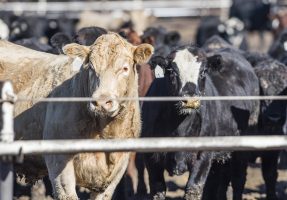
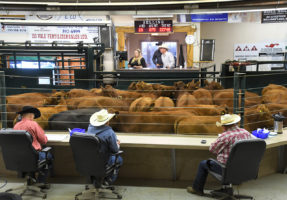
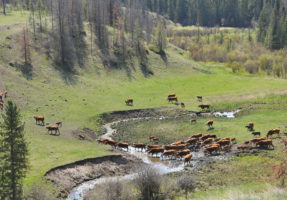
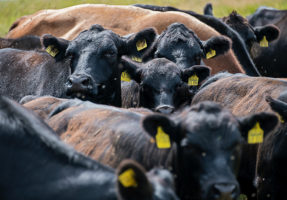
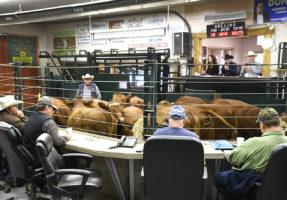
Western Canada’s beef industry could ride an upward trend over the next decade, according to an economic impact report researchers at the University of Saskatchewan prepared for Canfax Research Services and the Canadian Cattlemen’s Association this spring.

The cattle sector currently has a net economic impact of $51.6 billion nationally, of which $38.8 billion occurs in Western Canada. Of this, $232 million goes into the pockets of BC producers as farm cash receipts, making it the smallest beef producer in the country outside Atlantic Canada. The sector’s direct farm cash receipts attributable to BC account for less than 3% of the national total.

But a lack of processing capacity in the province means that on-farm activities have greater significance here. Processing activities account for 1.24 times the value of on-farm activities in Alberta. In BC and other western provinces, processing accounts for just 0.45 of the value of every dollar spent on-farm.

The interconnected nature of the industry means Alberta is the powerhouse, however. While efforts to sell hooks at the new BC Beef Producers Inc. plant in Westwold continue, long-term growth in the sector hinges on Alberta.

According to the University of Saskatchewan study, a growth rate of 10% in Western Canada could see the region’s beef sector contribute upwards of $16.3 billion to Canada’s GDP by 2030. Of this, $8.6 billion would be from BC, Saskatchewan and Manitoba.

While the study faced several limitations with respect to data, the authors noted that it underscores the sector’s importance to local and national economic health.

Related Posts

You may be interested in these posts from the same category.

Fossens recognized for innovative practices

Female ranchers excited for mentorship opportunities

Beef export markets grow

Ranchers watching bluetongue outbreak

Drought puts focus on livestock nutrition

Canada at “negligible risk” for BSE

Farmer-chef connections still paying off

Producers beef up support for Island cattle

Strong fundamentals for beef market

Province updates watering intentions

Cattle industry seeks cash

Plant closures a crisis for cattlemen

Previous Post: « Canada at “negligible risk” for BSE
Next Post: Pushback on plastics recycling »

Copyright © 2025 Country Life in BC · All Rights Reserved