• Menu
  • Skip to primary navigation
  • Skip to main content
  • Skip to primary sidebar

Country Life In BC Logo

The agricultural news source in British Columbia since 1915

  • Headlines
  • Calendar
  • Subscribe
  • Advertise
  • About
  • Archives
  • Contact
  • Search
  • Headlines
  • Calendar
  • Subscribe
  • Advertise
  • About
  • Archives
  • Contact
  • Search

Primary Sidebar

Originally published:

June 2019
Vol. 105 Issue 6

Subscribe Now!

Sign up for free weekly FARM NEWS UPDATES

Loading form…

Your information will not be
shared or sold ever

Stories In This Edition

First Cut

Hog farm won’t face charges

Okanagan drives land values

Where’s the beef?

Minister defends Bill 15 changes

Back Forty: Farmers, not just farmland, need revitalization

Editorial: No peace, no order

ALR restrictions make commuting a fact of life

Johnston’s Packers targeted by activists

Child labour

Sidebar: When is a crime not a crime?

Berry growers get long-awaited funding boost

Proteobiotics reduce poultry, swine infections

Greenhouse growth stymied by gas prices

Bloom

Increase farm productivity with cover crops

Ag Briefs: Water fees not evenly distributed among users

Ag Briefs: BC Tree Fruits prepares to relocate

Farmland trust explored for Island

New owner, same faces

Fruitful experience

Fruit growers cautiously optimistic on bloom set

Honeycrisp key to success for Golden Apple winners

Changes to slaughter rules taking too long

Going! Going! Gone

Local meat deamnd creating opportunities

Sidebar: Compost in 14 days

Ranch takes pasture to plate at face value

Market Musings: Technology has its challenges

Oliver veggie grower prefers wholesale

Grocer offers tips to get a foot in the door

Greenhouse veggie days a hit with school

Haskap research may help berry go mainstream

Grow up!

Research: Bee sensitivity linked to neonic pesticides

Fraser Valley orchardist calling it a day

Rally cry

Worming his way to the top of the heap

Mushrooms a viable crop for small growers

Island 4-H beef show celebrates 25 years

Woodshed: Deborah starts her vacation a golf widow

Brewery’s food program spawns farm project

Jude’s Kitchen: Celebrate dads!

More Headlines

Follow us on Facebook

Comments Box SVG iconsUsed for the like, share, comment, and reaction icons

4 hours ago

The Agricultural Land Commission is laying off staff after years of flat funding under the BC NDP. ALC chair Jennifer Dyson warns that application volumes, enforcement activity and legal obligations have all risen while its operating budget has stayed effectively flat — meaning longer wait times ahead for some services.

#BCAg
... See MoreSee Less

Link thumbnail

Land Commission lays off staff

www.countrylifeinbc.com

With no budget increase this year, the Agricultural Land Commission (ALC) is laying off six staff to make ends meet. “Ongoing financial constraints and the requirement to operate within the approved...
View Comments
  • Likes: 0
  • Shares: 3
  • Comments: 0

Comment on Facebook

6 days ago

A BC Forest Practices Board investigation has found overgrazing has damaged grasslands in the Coutlee Range Unit near Merritt — and the range-use plan meant to prevent it was unenforceable. With complaints about overgrazing on the rise and grasslands covering just 1% of BC's land mass, the findings raise fresh questions about how the province manages one of its most vulnerable — and valuable — food-producing ecosyste#BCAg#BCAg ... See MoreSee Less

Link thumbnail

Board finds overgrazing rules unenforceable unmeasurable

www.countrylifeinbc.com

MERRITT – A BC Forest Practices Board investigation has found instances of non-compliance related to overgrazing have damaged open grasslands in the Mine pasture, part of the Coutlee Range Unit near...
View Comments
  • Likes: 6
  • Shares: 6
  • Comments: 6

Comment on Facebook

Several ranchers in recent years have gone into temporary non use on that range , so that means the grass should grow. But drought conditions/lack of rain and snow don’t allow that to happen . Dried up springs , creeks waterholes in various pastures add to over grazing where there is water , as livestock and everything else stay close to the water source . So even though less cattle are on it , over grazing appears. There is a large volume of horses on it 365 days/year which is wrong ! They pull grass right out of the ground when it’s just trying to grow ,, opens the door for weeds to grow in. That don’t help it. Aging infrastructure ( fences) laying on the ground, pipe line building , ( lack of commitment to fence maintenance) amongst all users contributes also to over grazing. Recreational atv users leaving gates open between pastures allows livestock to go back or ahead in pastures also expidites over grazing. Logging ( bcts) has no problem laying out cut locks on both sides of a fence , then it gets smashed down during logging and they don’t take responsibility to stand it back up or clean the cattle gaurds out when they are done , that happened 4 years ago on pasture 5 up there . I bet it is still not fixed . There are lots of contributing factors to the problem.

Tragedy of the commons.

I looked through the report. I saw nothing about the effects of noxious weeds on productive grasslands. This particular area is vulnerable because of the Ministry’a efforts to diversify the use of the Grasslands.

This pasture is under tremendous pressure not only from cattle but from irresponsible local residents who treat it as a landfill dumping all manner of household debris here. And don't even get me started on the mud bogging and camping in sensitive riparian areas. The feral horses are in this pasture 365 days a year just hammering it. Would sure be nice to see some enforcement action on people who are intentionally ripping up the grasslands and riparian areas. Cattle could be a valuable resource for rebuilding soils and native grasses in this area with the help of electric fencing and/or e-collars. The humans will be harder to manage.

The Forest and Range Practices Act was written by lawyers for global forest licencee shareholders. Results-based = unenforceable.

Also, can we talk about the impact of a pipeline being built through the middle of this field for multiple years?

View more comments

1 week ago

East Kootenay rancher Randy Reay is digging a new well after two natural water sources dried up on his Crown tenures. A new Living Lakes Canada assessment found 15% of mapped aquifers in the region are high-priority for monitoring, yet 80% of those go unmonitored. With over 48% of BC's provincial observation wells reporting below-normal groundwater levels, ranchers and researchers are sounding the alarm on water security. The story is in our March edition, and we've posted it to our website thi#BCAgk.

#BCAg
... See MoreSee Less

Link thumbnail

Water woes: groundwater under pressure across BC

www.countrylifeinbc.com

JAFFRAY – As a young boy growing up in the Kootenay-Boundary region, Randy Reay never expected to run out of water. But this year, in mid-February, his fields are bare. There is no snow halfway up t...
View Comments
  • Likes: 8
  • Shares: 7
  • Comments: 1

Comment on Facebook

Jaffrey is in the east Kootenays not kooteney boundary

2 weeks ago

BC farmers are bracing for prolonged higher input costs as war in the Middle East drives up fuel and fertilizer prices. Nitrogen fertilizer costs were already climbing before the Iran conflict began, with prices still roughly 60% above pre-pandemic levels. Farm Credit Canada warns that unlike 2022, strong commodity prices may not offset rising costs this time. Local suppliers expect supply challenges and further price increases ahead.

#BCAg
... See MoreSee Less

Link thumbnail

Fertilizer prices on the rise

www.countrylifeinbc.com

War in the Middle East has delivered a generational shock to energy prices, meaning BC farmers can expect a prolonged period of higher costs not just for fuel but also for fertilizer.
View Comments
  • Likes: 2
  • Shares: 1
  • Comments: 0

Comment on Facebook

2 weeks ago

... See MoreSee Less

View Comments
  • Likes: 1
  • Shares: 0
  • Comments: 0

Comment on Facebook

Subscribe | Advertise

The agricultural news source in British Columbia since 1915
  • Email
  • Facebook

Johnston’s Packers targeted by activists

Bonnie Windsor recounts how protesters turned on packinghouse and how she chose to fight back

May 28, 2019 byTom Walker

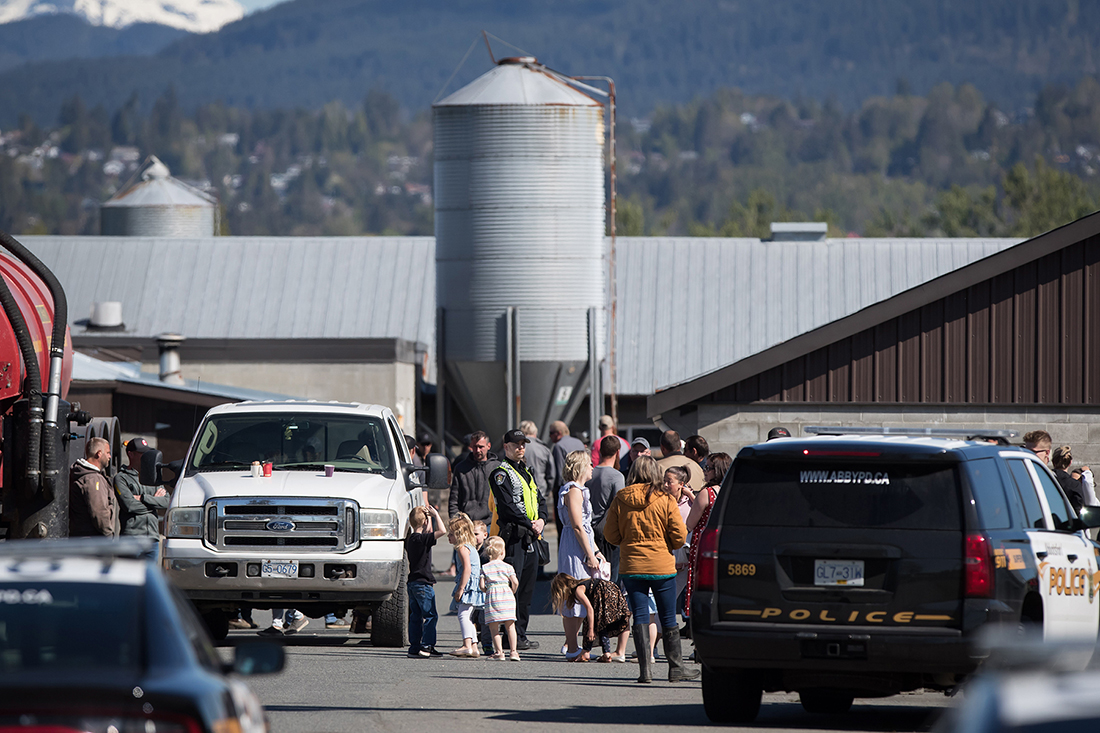
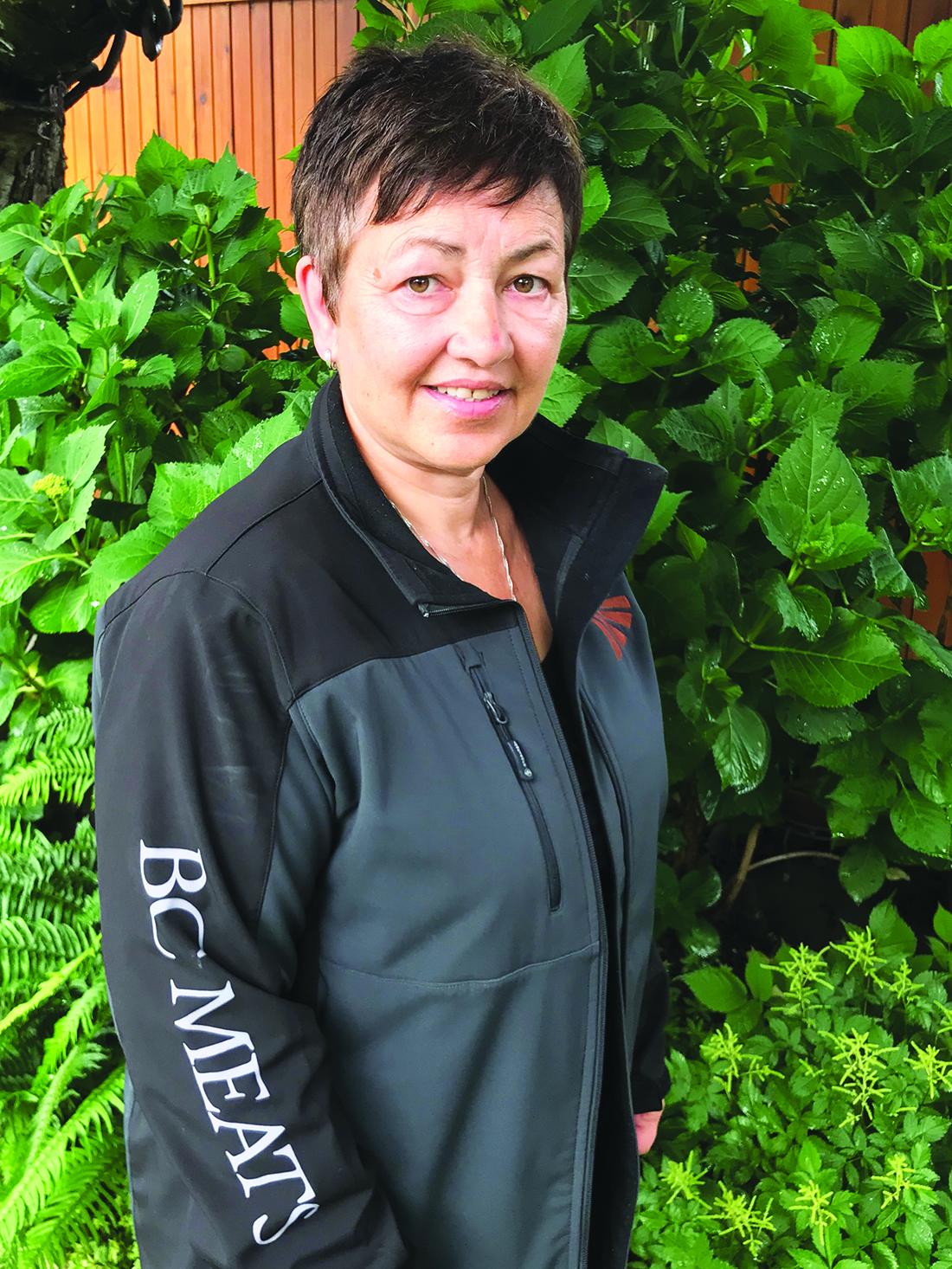
CHILLIWACK – Bonnie Windsor is assistant plant manager at Johnston’s Packers Ltd., the largest provincially inspected slaughterhouse in BC. The business has been processing hogs in Chilliwack since 1937, making it one of the province’s oldest plants, too.

Windsor is bright, articulate, hardworking and has a raucous sense of humour. She could be working in any number of businesses, but she happens to work for a slaughterhouse. This put her on the front lines of an effort by animal rights activists to shut down a local hog farm – and the rest of the BC hog industry – at the end of April.

“I didn’t sign up for this,” Windsor told the BC Association of Abattoirs in Chase on April 27, five days after the PETA (People for the Ethical Treatment of Animals) released a video to CTV purporting to show pigs living in squalor at Excelsior Hog Farm in Abbotsford. “But I sure think I earned a black belt in PETA over the last four days. You learn quick.”

The video shocked Windsor and the rest of the staff at Johnston’s.

“We were as horrified as anyone else,” she says. “That is not what Johnston’s stands for, but we asked, ‘Is this real?’”

Conversations with the Binnendyk family, which runs the farm, confirmed that the video was taken at night and concentrated on the hospital pen, an area where sick or injured animals are taken for treatment. The family also believes some of the footage was shot elsewhere and edited into the video.

“We were named as the packer that the producer ships to, so I figured we might be next,” says Windsor says.

Cyberattack

The craziness began April 23, the morning after the CTV broadcast. Within a two-hour period, Windsor received more than 2,500 emails, many with the same subject line.

“I was trying to sift through and find any legitimate mail from customers,” says Windsor. “But I just couldn’t.”

Empyrion Technologies Inc., which provides IT services to Johnston’s, froze its account.

Then the activists found her cell number.

“I quickly learned not to answer it,” she deadpans. “I froze. I didn’t know what to do. … I’d already been awake all the first night.”

She spoke with the BC Pork Producers Association and poultry producers she knew who had been targeted by activists in the past. They all said the same thing: “Keep your head down, don’t respond, hide.”

Then she spoke to the Binnendyks, who changed her mind.

“You can’t imagine what those farmers went through,” says Windsor. “There were death threats to the family and people coming up and knocking on their door.”

But they told her the harassment wasn’t going to force them to take their farm sign down. She admired their attitude.

“[Ray Binnendyk] said, ‘We are a second-generation farm family. We are proud to feed the people of this province and we have nothing to hide,’” she recalls.

By the second day, she had found the courage to craft a response.

“I started to realize that we can’t fight with PETA but we can fight against them by making sure our customers [have] the right information,” she says.

Thursday, three days after the CTV broadcast, things got worse. Windsor received more than 10,000 emails that morning, crippling portions of Johnston’s computer system for several hours.

Empyrion helped get the system back in operation and Windsor started to respond to emails from upset customers.

“PETA was telling our story for us and we needed to start telling it ourselves,” she says. “It took me more than an hour to write my first letter. I composed what I thought would sound okay even if they put it on the news.”

The toll on the company has been significant. It has lost just one customer – a grocer who doesn’t believe Johnston’s has done anything wrong but wants to avoid the controversy – but the emotional toll has been huge.

Johnston’s can press charges for the cyberattack – a conviction carries a minimum fine of $100,000 – but it would cost it time and legal fees.

“I prefer to spend my time doing positive things,” says Windsor, who says she has already suffered enough.

“Three nights without sleep, it affects your health. All the hate messages. You start to question your ability to make decisions.”

Beef up security

The message she left with abattoir association members was a warning of the greater risks livestock producers and processors face, and the need to beef up security.

“I hope if I have convinced you of anything, I have convinced you to get security cameras for your plant,” she says. “And we all need emergency response plans. Perhaps we can draw up a master template together.”

She thinks media training would help, too.

“I’ve taken some but when they phone you up for a comment, you are pretty lost,” she says. “I had no idea what to say. … I think we can do a better job of telling our story. I’m certainly not going to keep my head down. I am going to make this industry stronger.”
Related Posts

You may be interested in these posts from the same category.

Trial decision expected

Hog farm won’t face charges

Protest sends warning signal

Cattle

Codes of practice need producer input

Animal cruelty charges laid

New farmers need to research livestock needs

Body cams are out

Poultry abuse underscores need to measure up

Chilliwack dairy fined for allowing “culture of abuse”

Previous Post: « Hog farm won’t face charges
Next Post: Hog farm won’t face charges »

Copyright © 2026 Country Life in BC · All Rights Reserved