• Menu
  • Skip to primary navigation
  • Skip to main content
  • Skip to primary sidebar

Country Life In BC Logo

The agricultural news source in British Columbia since 1915

  • Headlines
  • Calendar
  • Subscribe
  • Advertise
  • About
  • Archives
  • Contact
  • Search
  • Headlines
  • Calendar
  • Subscribe
  • Advertise
  • About
  • Archives
  • Contact
  • Search

Primary Sidebar

Current Issue:

JANUARY 2026
Vol. 112 Issue 1

Subscribe Now!

Sign up for free weekly FARM NEWS UPDATES

Select list(s) to subscribe to


By submitting this form, you are consenting to receive marketing emails from: Country Life in BC. You can revoke your consent to receive emails at any time by using the SafeUnsubscribe® link, found at the bottom of every email. Emails are serviced by Constant Contact
Your information will not be
shared or sold ever

Follow us on Facebook

Comments Box SVG iconsUsed for the like, share, comment, and reaction icons

13 hours ago

BC's minimum piece rates for 15 hand-harvested crops increased 2.6% on December 31. Crops include peaches, apricots, brussels sprouts, daffodils, mushrooms, apples, beans, blueberries, cherries, grapes, pears, peas, prune plums, raspberries and strawberries. Farm-worker piece rates in BC were increased by 11.5% in January 2019 and 6.9% in December 2024. BC’s current minimum wage sits at $17.85 per hour.

#BCAg
... See MoreSee Less

BCs minimum piece rates for 15 hand-harvested crops increased 2.6% on December 31. Crops include peaches, apricots, brussels sprouts, daffodils, mushrooms, apples, beans, blueberries, cherries, grapes, pears, peas, prune plums, raspberries and strawberries. Farm-worker piece rates in BC were increased by 11.5% in January 2019 and 6.9% in December 2024. BC’s current minimum wage sits at $17.85 per hour. 

#BCAg
View Comments
  • Likes: 6
  • Shares: 0
  • Comments: 2

Comment on Facebook

I'm not sure what they're telling us. Did peace rates have to increase so that Farm workers could make minimum wage?

They deserve it, but the general public will be whining about increased prices in the stores. Will need to make more information average to the g.p.

2 days ago

... See MoreSee Less

View Comments
  • Likes: 10
  • Shares: 0
  • Comments: 0

Comment on Facebook

1 week ago

... See MoreSee Less

View Comments
  • Likes: 7
  • Shares: 0
  • Comments: 0

Comment on Facebook

3 weeks ago

Water volumes from the Nooksack River are at levels similar to 1990 and 2021, but the province says flows should peak at 10pm tonight. The shorter duration, as well as conditions in other watercourses within the watershed and performance of flood protection infrastructure should avoid a catastrophe on the scale of 2021. However, several landslides mean road closures have once again effectively isolated the Lower Mainland from the rest of the province.

#BCag
... See MoreSee Less

Water volumes from the Nooksack River are at levels similar to 1990 and 2021, but the province says flows should peak at 10pm tonight. The shorter duration, as well as conditions in other watercourses within the watershed and performance of flood protection infrastructure should avoid a catastrophe on the scale of 2021. However, several landslides mean road closures have once again effectively isolated the Lower Mainland from the rest of the province.

#BCAg
View Comments
  • Likes: 9
  • Shares: 3
  • Comments: 1

Comment on Facebook

Family living in Sumas WA say it's very much like '21. They have the same amount of water in their house as last time.

1 month ago

... See MoreSee Less

View Comments
  • Likes: 4
  • Shares: 0
  • Comments: 0

Comment on Facebook

Subscribe | Advertise

The agricultural news source in British Columbia since 1915
  • Email
  • Facebook

Northern vets in short supply

April 19, 2023 byKate Ayers

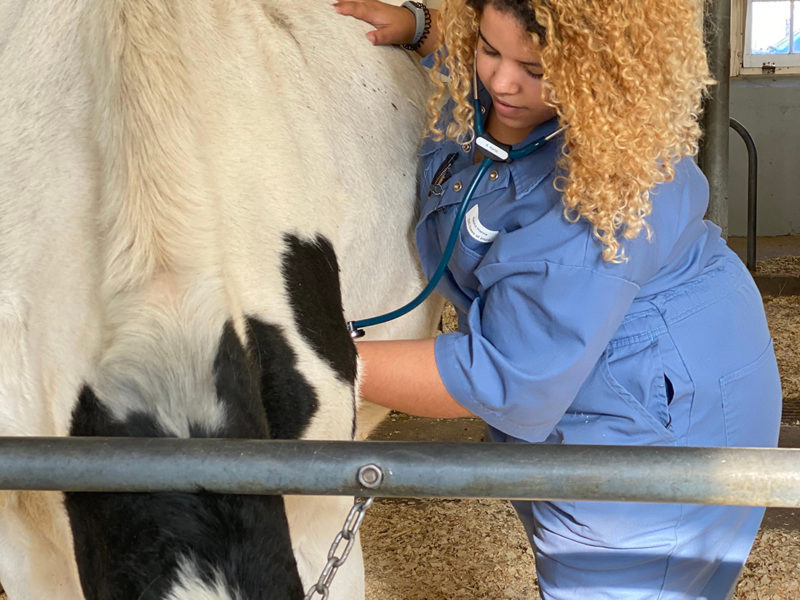
The province’s recent pledge to permanently fund 40 seats for BC students at the Western College of Veterinary Medicine in Saskatoon was welcome news to the livestock and poultry sectors, but a new study says a local option is needed to support local food production.

“As you go further north in and around the Peace, there is a big problem up there with large animal vets and getting them to come and do work on ranches,” says rancher and BC Cattlemen’s Association president Brian Thomas. “It’s even hard to get medication and vaccines for our cattle because they all have to be through a vet. It certainly becomes an animal health and welfare issue with the shortage of vets.”

A homegrown veterinary program taught in BC could address the issue, says a recent economic impact study of veterinary medicine in BC that accounting firm MNP LLP conducted with the support of the BC Cattlemen’s Association, BC Ministry of Agriculture and Food and other stakeholders in Northern BC.

To meet the province’s demand for veterinarians, recruitment incentives and additional training options are needed, proponents say. A vet program at UNBC, for example, could enable and encourage students to study and practice in the province.

The study found that the ratio of large animals to veterinarians working in large or mixed animal practices in urban BC was between 3,000 and 3,500 animals per veterinarian. The ratio jumps to between 7,700 and 8,900 animals per veterinarian in rural and Northern BC.

Additionally, the vet shortage contributes to increased mortality and limits the growth of operations, both of which the report says impact ranch profitability and viability.

Indeed, vets play a critical role in ensuring the sustainability and viability of the agricultural industry.

“We recognize the need for veterinarians is growing in British Columbia as we focus on supporting our farmers, ranchers and the agricultural sector overall to continue to improve access to fresh, local, affordable and sustainable food,” BC Minister of Post-Secondary Education and Future Skills Selina Robinson said when the province announced funding for WCVM students on March 23. “We know farmers and ranchers need access to vets to support healthy animals. We’ve seen the demand for new vets especially in Northern British Columbia and we’ve been taking action.”

However, a BC-based vet school is not on the table, Robinson says, citing the existing seats in Saskatchewan and the expense of establishing a new program.
Related Posts

You may be interested in these posts from the same category.

Breathing new life into historic ranches

Province lacks reconciliation roadmap: ranchers

Crown land conflicts reveal policy gaps

Beef herd drops

Feed available but stocks low

Haida Aboriginal title recognized

BC Cherry holds AGM

Land Act changes deferred

Study shows BC farmers markets add value

Land Act firestorm

Dam violations face fines

Rangeland forage allocation studied

Previous Post: « Abbotsford Tulip Festival returns
Next Post: ALR settles Treaty 8 claims »

Copyright © 2026 Country Life in BC · All Rights Reserved