• Menu
  • Skip to primary navigation
  • Skip to main content
  • Skip to primary sidebar

Country Life In BC Logo

The agricultural news source in British Columbia since 1915

  • Headlines
  • Calendar
  • Subscribe
  • Advertise
  • About
  • Archives
  • Contact
  • Search
  • Headlines
  • Calendar
  • Subscribe
  • Advertise
  • About
  • Archives
  • Contact
  • Search

Primary Sidebar

Current Issue:

JANUARY 2026
Vol. 112 Issue 1

Subscribe Now!

Sign up for free weekly FARM NEWS UPDATES

Select list(s) to subscribe to


By submitting this form, you are consenting to receive marketing emails from: Country Life in BC. You can revoke your consent to receive emails at any time by using the SafeUnsubscribe® link, found at the bottom of every email. Emails are serviced by Constant Contact
Your information will not be
shared or sold ever

Follow us on Facebook

Comments Box SVG iconsUsed for the like, share, comment, and reaction icons

2 hours ago

BC's minimum piece rates for 15 hand-harvested crops increased 2.6% on December 31. Crops include peaches, apricots, brussels sprouts, daffodils, mushrooms, apples, beans, blueberries, cherries, grapes, pears, peas, prune plums, raspberries and strawberries. Farm-worker piece rates in BC were increased by 11.5% in January 2019 and 6.9% in December 2024. BC’s current minimum wage sits at $17.85 per hour.

#BCAg
... See MoreSee Less

BCs minimum piece rates for 15 hand-harvested crops increased 2.6% on December 31. Crops include peaches, apricots, brussels sprouts, daffodils, mushrooms, apples, beans, blueberries, cherries, grapes, pears, peas, prune plums, raspberries and strawberries. Farm-worker piece rates in BC were increased by 11.5% in January 2019 and 6.9% in December 2024. BC’s current minimum wage sits at $17.85 per hour. 

#BCAg
View Comments
  • Likes: 5
  • Shares: 0
  • Comments: 0

Comment on Facebook

2 days ago

... See MoreSee Less

View Comments
  • Likes: 9
  • Shares: 0
  • Comments: 0

Comment on Facebook

1 week ago

... See MoreSee Less

View Comments
  • Likes: 7
  • Shares: 0
  • Comments: 0

Comment on Facebook

3 weeks ago

Water volumes from the Nooksack River are at levels similar to 1990 and 2021, but the province says flows should peak at 10pm tonight. The shorter duration, as well as conditions in other watercourses within the watershed and performance of flood protection infrastructure should avoid a catastrophe on the scale of 2021. However, several landslides mean road closures have once again effectively isolated the Lower Mainland from the rest of the province.

#BCag
... See MoreSee Less

Water volumes from the Nooksack River are at levels similar to 1990 and 2021, but the province says flows should peak at 10pm tonight. The shorter duration, as well as conditions in other watercourses within the watershed and performance of flood protection infrastructure should avoid a catastrophe on the scale of 2021. However, several landslides mean road closures have once again effectively isolated the Lower Mainland from the rest of the province.

#BCAg
View Comments
  • Likes: 9
  • Shares: 3
  • Comments: 1

Comment on Facebook

Family living in Sumas WA say it's very much like '21. They have the same amount of water in their house as last time.

1 month ago

... See MoreSee Less

View Comments
  • Likes: 4
  • Shares: 0
  • Comments: 0

Comment on Facebook

Subscribe | Advertise

The agricultural news source in British Columbia since 1915
  • Email
  • Facebook

Senate flood report released

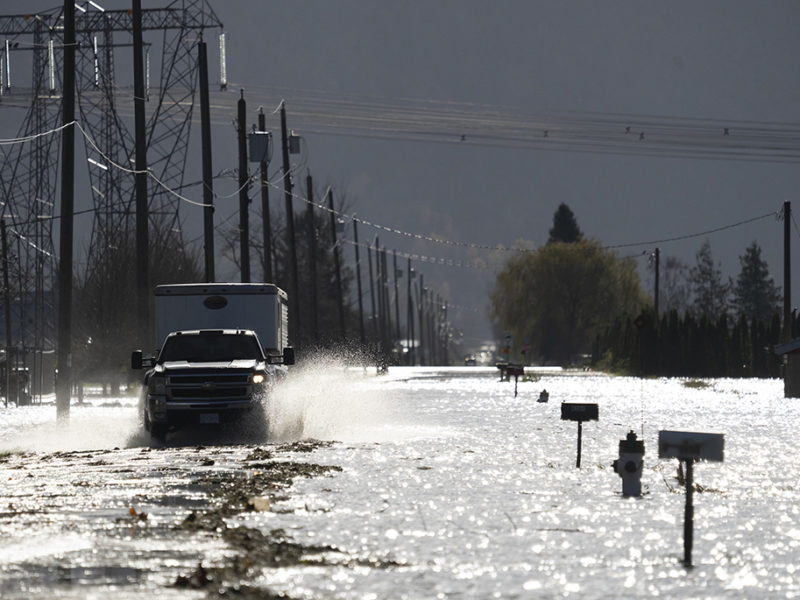
THE CANADIAN PRESS/Jonathan Hayward

November 2, 2022 byPeter Mitham

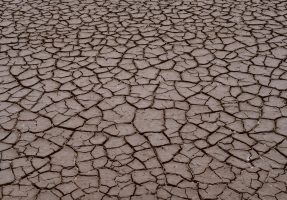
This fall’s rains started late and have yet to put a significant dent in the ongoing drought affecting much of the province this year.

Eight of the province’s 34 basins remain ranked Level 5, the most severe drought level, with a further six ranked Level 4.

By this time last year, the province had received twice its usual autumn rainfall, and November would bring more – and worse – of the same.

Now, a report from the Senate Standing Committee on Agriculture and Forestry regarding last fall’s flooding in BC lends support to many of the initiatives already under way.

The report’s three recommendations, developed following presentations and submissions received from 23 individuals and organizations between April 29 and June 15 (all of which are available online), urge the development of a comprehensive flood control plan for the Fraser Valley, provision of adequate financial supports during the recovery and rebuilding period, and greater cross-border co-operation with respect to managing transboundary waters.

The lack of an overarching flood plan for the Fraser Valley is something reports for the Fraser Basin Council and others have flagged as a key issue for several years, with upgrades to the Lower Mainland’s 600 km of dykes being a central issue.

According to the Fraser Basin Council, the direct impact to Fraser Valley agriculture of flooding similar to the 1894 freshet would approach $1 billion; the region as a whole would suffer $32 billion in losses.

The toll of last year’s flooding – which covered just a fraction of the area impacted in 1894 – is pegged at more than $5 billion. To address the issue, Abbotsford has proposed a massive flood mitigation project estimated at $2.8 billion.

With respect to financial supports, BC’s Office of the Ompudsperson recently launched a review of emergency support programs to determine their effectiveness. Federally, this summer’s meeting of federal-provincial-territorial agriculture ministers pledged reforms of business risk management programs to ensure their responsiveness to climate risks.

The senate report also advocates for better international co-operation with respect to the Nooksack River, something representatives of BC and Washington initiated this past March. It builds on long-term efforts of the multi-agency Nooksack River Transboundary Technical Collaboration Group.
 

Related Posts

You may be interested in these posts from the same category.

Cattle

Regions selected for livestock tax deferral

A dry season continues

Snowpack sends mixed signals

Senate report highlights need for flood plans

Dry fall, wet winter ahead

Drought fears washed away

Ranchers face rangeland losses

Producers urged to make emergency plans

Catastrophic flooding hits Fraser Valley

Wildfire state of emergency ends

Province announces wildfire recovery funds

Farmers take issue with water restrictions

Previous Post: « CFIA simplifies AI protocols
Next Post: Farming Karma »

Copyright © 2026 Country Life in BC · All Rights Reserved