• Menu
  • Skip to primary navigation
  • Skip to main content
  • Skip to primary sidebar

Country Life In BC Logo

The agricultural news source in British Columbia since 1915

  • Headlines
  • Calendar
  • Subscribe
  • Advertise
  • About
  • Archives
  • Contact
  • Search
  • Headlines
  • Calendar
  • Subscribe
  • Advertise
  • About
  • Archives
  • Contact
  • Search

Primary Sidebar

Current Issue:

JANUARY 2026
Vol. 112 Issue 1

Subscribe Now!

Sign up for free weekly FARM NEWS UPDATES

Select list(s) to subscribe to


By submitting this form, you are consenting to receive marketing emails from: Country Life in BC. You can revoke your consent to receive emails at any time by using the SafeUnsubscribe® link, found at the bottom of every email. Emails are serviced by Constant Contact
Your information will not be
shared or sold ever

Follow us on Facebook

Comments Box SVG iconsUsed for the like, share, comment, and reaction icons

6 hours ago

BC's minimum piece rates for 15 hand-harvested crops increased 2.6% on December 31. Crops include peaches, apricots, brussels sprouts, daffodils, mushrooms, apples, beans, blueberries, cherries, grapes, pears, peas, prune plums, raspberries and strawberries. Farm-worker piece rates in BC were increased by 11.5% in January 2019 and 6.9% in December 2024. BC’s current minimum wage sits at $17.85 per hour.

#BCAg
... See MoreSee Less

BCs minimum piece rates for 15 hand-harvested crops increased 2.6% on December 31. Crops include peaches, apricots, brussels sprouts, daffodils, mushrooms, apples, beans, blueberries, cherries, grapes, pears, peas, prune plums, raspberries and strawberries. Farm-worker piece rates in BC were increased by 11.5% in January 2019 and 6.9% in December 2024. BC’s current minimum wage sits at $17.85 per hour. 

#BCAg
View Comments
  • Likes: 5
  • Shares: 0
  • Comments: 1

Comment on Facebook

They deserve it, but the general public will be whining about increased prices in the stores. Will need to make more information average to the g.p.

2 days ago

... See MoreSee Less

View Comments
  • Likes: 9
  • Shares: 0
  • Comments: 0

Comment on Facebook

1 week ago

... See MoreSee Less

View Comments
  • Likes: 7
  • Shares: 0
  • Comments: 0

Comment on Facebook

3 weeks ago

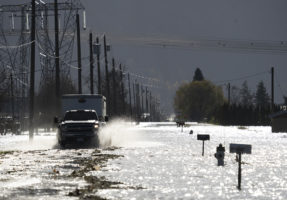
Water volumes from the Nooksack River are at levels similar to 1990 and 2021, but the province says flows should peak at 10pm tonight. The shorter duration, as well as conditions in other watercourses within the watershed and performance of flood protection infrastructure should avoid a catastrophe on the scale of 2021. However, several landslides mean road closures have once again effectively isolated the Lower Mainland from the rest of the province.

#BCag
... See MoreSee Less

Water volumes from the Nooksack River are at levels similar to 1990 and 2021, but the province says flows should peak at 10pm tonight. The shorter duration, as well as conditions in other watercourses within the watershed and performance of flood protection infrastructure should avoid a catastrophe on the scale of 2021. However, several landslides mean road closures have once again effectively isolated the Lower Mainland from the rest of the province.

#BCAg
View Comments
  • Likes: 9
  • Shares: 3
  • Comments: 1

Comment on Facebook

Family living in Sumas WA say it's very much like '21. They have the same amount of water in their house as last time.

1 month ago

... See MoreSee Less

View Comments
  • Likes: 4
  • Shares: 0
  • Comments: 0

Comment on Facebook

Subscribe | Advertise

The agricultural news source in British Columbia since 1915
  • Email
  • Facebook

Snowpack sends mixed signals

April 12, 2023 byPeter Mitham

The latest data from the BC River Forecast Centre is a mixed blessing for growers concerned about a dry start to the season.

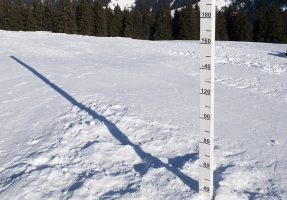
The province’s April 1 snow and water supply bulletin indicates that the provincial snow pack decreased to slightly below normal for April 1 to 88% versus 94% a month earlier. The snow index for the Fraser River basin at Hope was normal at 100%.

However, a glance at the snow water equivalent for April 1 indicates that the water supply is 82% of normal in the Lower Fraser. While the Okanagan and Boundary regions are in the best position, with their snowpacks at 113% and 120% of normal, respectively, a lack of precipitation in March concerns analysts.

“March was very dry throughout BC,” the River Forecast Centre reports. “Only a few climate stations in coastal locations measured above 50% of normal precipitation for the month. Several stations ranked among the five lowest March precipitation totals in recorded history. These include Abbotsford, Penticton, Vernon, Quesnel [and] Kamloops.”

Nevertheless, precipitation since the start of the year means that snow water equivalents in many regions – including both the Lower Mainland and Okanagan – showed improvement over January.

According to the Canada Drought Monitor, most areas of BC affected by drought as of February 28 would be out of drought by the end of March. However, large swathes of the Peace, the Squamish-Lillooet region and northern Vancouver Island were set to see drought conditions worsen.

The province will resume its own drought assessment later this spring.

The latest water supply bulletin attributes improving drought conditions to the La Niña weather pattern, which typically delivers late-season precipitation but also increases spring freshet risks. The bulletin calls out the Nicola River as being at an elevated risk of flooding this spring, though much will depend on weather conditions over the next three months.

On April 13, Emergency Management BC will address concerns regarding the spring freshet and the outlook for the 2023 wildfire season.
 

Related Posts

You may be interested in these posts from the same category.

Cattle

Regions selected for livestock tax deferral

Province flags drought risk

A dry season continues

Senate flood report released

Dry fall, wet winter ahead

Drought fears washed away

Ranchers face rangeland losses

Wildfire state of emergency ends

Province announces wildfire recovery funds

Farmers take issue with water restrictions

Province pledges emergency funding

Drought puts focus on livestock nutrition

Previous Post: « New rules for pesticide applications
Next Post: BC’s chief veterinarian highlights key animal diseases »

Copyright © 2026 Country Life in BC · All Rights Reserved