• Menu
  • Skip to primary navigation
  • Skip to main content
  • Skip to primary sidebar

Country Life In BC Logo

The agricultural news source in British Columbia since 1915

  • Headlines
  • Calendar
  • Subscribe
  • Advertise
  • About
  • Archives
  • Contact
  • Search
  • Headlines
  • Calendar
  • Subscribe
  • Advertise
  • About
  • Archives
  • Contact
  • Search

Primary Sidebar

Originally published:

November 2018
Vol. 104 Issue 11

Subscribe Now!

Sign up for free weekly FARM NEWS UPDATES

Select list(s) to subscribe to


By submitting this form, you are consenting to receive marketing emails from: Country Life in BC. You can revoke your consent to receive emails at any time by using the SafeUnsubscribe® link, found at the bottom of every email. Emails are serviced by Constant Contact
Your information will not be
shared or sold ever

Stories In This Edition

Dairy pays price in new trade deal

USMCA uncorks wine sales

ALC crippled while province mulls revitalization

Editorial: Think Big

Back Forty: If wishes were horses, beggars would ride

Viewpoint: Antibiotics are important tools for producers

Farms scramble as thousands of jobs go unfilled

Farmers’ institutes set to meet in Vancouver

Poultry growers adjust to reduced antibiotic use

Traceability regulations expected next year

UFV consolidates two centres

Plowman in the making

Letters: Animal welfare monitored

Success starts with a solid business plan

Turkey growers look to boost markets

Dairy sale

Strawberry growers rank fruit quality highest

Westcoast Holsteins brings home the prizes

Cannabis raises new workplace concerns

Tasty!

Ag Briefs: Cannabis conference alongside PAS

Ag Briefs: First Nations farms funded

Ag Briefs: Cannabis grower breaks ground

Ag Briefs: harvest conflict results in fewer plow match competitors

Pilot project in Delta supports perennial crops

Uvic research seeks perfect picking time for wine grapes

Ag council wants to get farmers CHATting

Sidebar: Remember to CHAT

Fleeced

Buying stations gain ground

Snow joke

Triple Threat

Meat processing review fails to meet expectations

Livestock transport under scrutiny by activists

Ranching program grads ready for next field

Yields high as cranberry season runs late

Tour features multi-generation farms

Horse Power

Edible flowers show promise for BC growers

Retirement blossoms into flower nursery

Research: Sunflower pollen can help improve colony health

Woodshed: The countdown begins for Kenneth, Deborah

4-H BC: Funding helps advance initiatives

Wannabe: Choosing gratitude

Jude’s Kitchen: Roots and keepers


More Headlines

Follow us on Facebook

Comments Box SVG iconsUsed for the like, share, comment, and reaction icons

7 days ago

... See MoreSee Less

View Comments
  • Likes: 4
  • Shares: 0
  • Comments: 0

Comment on Facebook

7 days ago

On the last day of the BC Organic Conference, Thursday, Molly Thurston of Pearl Agricultural Consulting helped growers learn how to manage bugs such as codling moth, wireworm, and rootworm in organic growing systems. Her talk alongside Renee Prasad included hands-on activities in which participants checked out various traps and examined pests under microscopes. Be sure to look for more upcoming ag events on our online calendar at www.countrylifeinbc.com/calendar/

#BCAg
... See MoreSee Less

On the last day of the BC Organic Conference, Thursday, Molly Thurston of Pearl Agricultural Consulting helped growers learn how to manage bugs such as codling moth, wireworm, and rootworm in organic growing systems. Her talk alongside Renee Prasad included hands-on activities in which participants checked out various traps and examined pests under microscopes. Be sure to look for more upcoming ag events on our online calendar at www.countrylifeinbc.com/calendar/

#BCAg
View Comments
  • Likes: 15
  • Shares: 0
  • Comments: 0

Comment on Facebook

1 week ago

Well-known organic farmer and podcaster Jordan Marr gets interviewed by Country Life in BC’s own columnist and potato mavin Anna Helmer during the opening session of the BC Organic Conference at Harrison Hot Springs yesterday. Sessions run today (Wednesday) and Thursday and include organic and regenerative growing practices and expanding and advocating for the organic sector, all under the background of the newly launched Organic BC banner.

#BCAg
... See MoreSee Less

Well-known organic farmer and podcaster Jordan Marr gets interviewed by Country Life in BC’s own columnist and potato mavin Anna Helmer during the opening session of the BC Organic Conference at Harrison Hot Springs yesterday. Sessions run today (Wednesday) and Thursday and include organic and regenerative growing practices and expanding and advocating for the organic sector, all under the background of the newly launched Organic BC banner.

#BCAg
View Comments
  • Likes: 37
  • Shares: 2
  • Comments: 1

Comment on Facebook

Interested in finding out more about this

3 weeks ago

Today, we remember those who sacrificed their lives or their well-being for our freedom. Lest we forget. ... See MoreSee Less

Today, we remember those who sacrificed their lives or their well-being for our freedom. Lest we forget.
View Comments
  • Likes: 8
  • Shares: 0
  • Comments: 0

Comment on Facebook

1 month ago

FarmFolk CItyFolk is hosting its biennial BC Seed Gathering in Harrison Hot Springs November 27 and 28. Farmers, gardeners and seed advocates are invited to learn more about seed through topics like growing perennial vegetables for seed, advances in seed breeding for crop resilience, seed production as a whole and much more. David Catzel, BC Seed Security program manager with FF/CF will talk about how the Citizen Seed Trail program is helping advance seed development in BC. Expect newcomers, experts and seed-curious individuals to talk about how seed saving is a necessity for food security. ... See MoreSee Less

Link thumbnail

BC Seed Gathering - FarmFolk CityFolk

farmfolkcityfolk.ca

Save the date for our upcoming 2023 BC Seed Gathering happening this November 3rd and 4th at the Richmond Kwantlen Polytechnic University campus.
View Comments
  • Likes: 1
  • Shares: 0
  • Comments: 0

Comment on Facebook

Subscribe | Advertise

The agricultural news source in British Columbia since 1915
  • Email
  • Facebook

Traceability regulations expected next year

Proposed changes regarding movement of livestock will have significant implications for producers

October 29, 2018 byJackie Pearase

ARMSTRONG – The Canadian Cattle Identification Agency wants farmers to get ahead of new traceability regulations expected to come into effect next year.

CCIA general manager Anne Brunet-Burgess has worked on the regulations since 2015 and the due date has moved several times, but she now expects the first draft to be published in spring 2019.

“Everyone can read them once they’re posted,” she says. “There will be a 75-day comment period where anyone and everyone can make comments.”

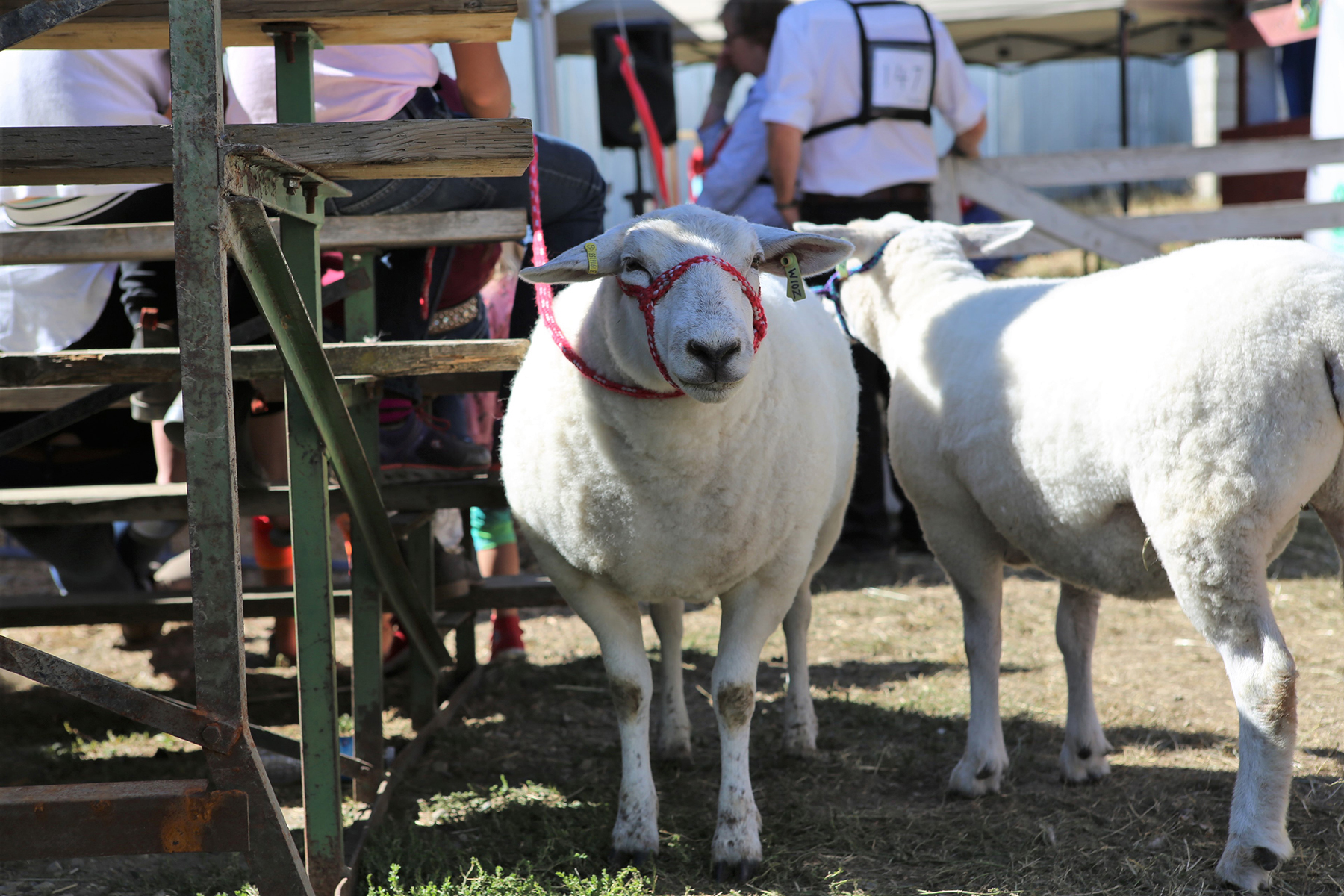
The document is currently classified but Brunet-Burgess encouraged BC Sheep Federation members attending their annual general meeting in Armstrong on September 28-29 to get informed.

She expects some changes to the regulations when the comment period ends but she’s confident the second draft will go into effect in 2019.

“There’s a one-year implementation period so that’s basically self-enforcement, no fines,” adds Brunet-Burgess. “But it’s that one year where we have to get our poop in a group and make sure everyone knows what they’re supposed to do and make sure everyone knows how to do it and support them on this before it is actually a for real thing.”

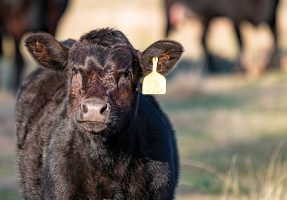
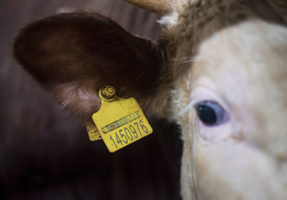
She says traceability is currently a book-end system with indicators (or tags) issued at birth and retired upon death of an animal. The new regulations aim to fill in the blanks.

Livestock movement will be tracked

“The middle part is what’s coming, which is the movement piece. And that, again, is going to be a huge impact on all livestock producers. Every movement of every animal will have to be reported,” she says.

A critical component of the new regulations will be having a premises identification (PID) number to identify all sites that receive regulated animals including farms, abattoirs, fairgrounds and veterinarian clinics.

Brunet-Burgess encourages producers to contact the BC Ministry of Agriculture to obtain one or more PIDs before the regulations come into effect and to update their Canadian Livestock Tracking System (CLTS) account with this information. (Anyone ever issued a tag has a CLTS account, which is accessible by calling 1-877-909-2333 or at [www.canadaid.ca].)

The good news is that PIDs proved to be effective for BC farmers and ranchers during the last two summers of record-breaking wildfires, and the majority of producers now have them.

“Producers themselves are talking about the usefulness of PIDs. So that’s great to hear,” she says. “Folks do not see the urgency of getting one if they don’t think they need it.”

Reporting of animal or carcass movement will require reporting within seven days including the information of departure and arrival PIDs and a licence plate number or other identification of the means of conveyance.

Brunet-Burgess suggests that farmers and ranchers acquaint themselves with the movement reporting requirements and do some practice runs before next year.

Prince George sheep and cattle ranchers Roma and Jim Tingle are concerned that the new regulations will be overly onerous, hard to enforce and lay yet more costs on farmers.

“We have so many small producers with just a few who know about these changes,” says Roma Tingle. “That concerns me a lot because there’s no way to police this. There’s going to be no way to get to these people and people cannot afford the time and, to some extent, money to do this.”

The sheep federation’s outgoing president Valerie Gerber sees the changes as a necessary evil but also worries about how they’ll affect farmers.

“We’re already so busy trying to make a living,” says Gerber. “I don’t know how it’s going to pan out.”

Brunet-Burgess says the CCIA is well aware of producers’ concerns, particularly the added cost, and although they do not lobby government, others are bending politicians’ ears.

“I can tell you that there’s been a group of very dedicated producers lobbying on behalf of all species and all producers to come up with a brilliant solution on this,” says Brunet-Burgess.
 

Related Posts

You may be interested in these posts from the same category.

New round of traceability funding available

Small farmers raise concerns about CanadaGAP

BC considers making premises ID mandatory

Sheep

New year, new funding

Sheep

Traceability regs to include animal movement

Previous Post: « Success starts with solid business plan
Next Post: Meat processing review fails to meet expectations »

Copyright © 2025 Country Life in BC · All Rights Reserved