
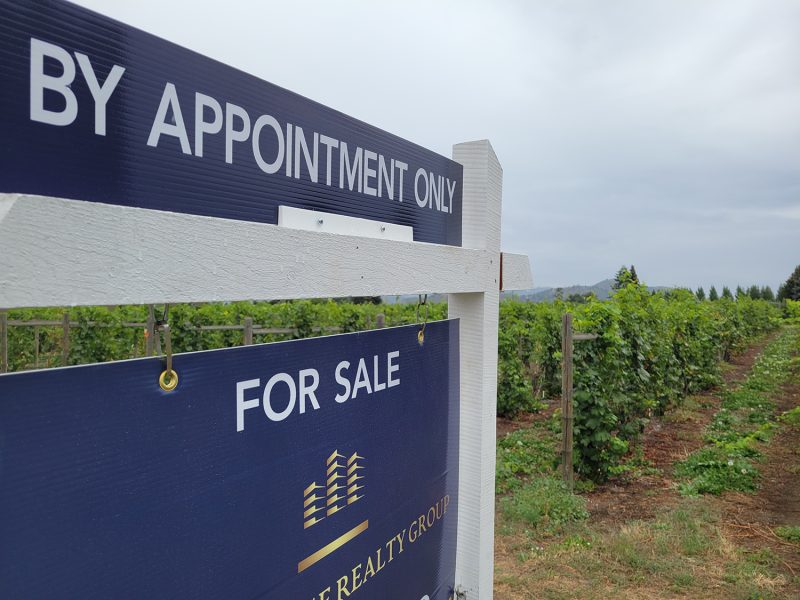
Small-lot growers and hobby farmers helped make Vancouver Island one of the most active farmland markets in the province last year, with demand boosting values by 5.3%.
“Demand was high for 10 to 20-acre homesteads, driven by part-time farmers, which resulted in rising values for smaller parcels. Larger farms had a limited market,” Farm Credit Canada (FCC) reported in its annual survey of farmland values, released March 24.
While property transfer data tracked by the BC Ministry of Finance indicates 103 farmland sales on Vancouver Island last year, 5% lower than in 2024, key regions including the Comox Valley saw sales soar. Comox Valley transactions totalled 16, up 78% over the previous year.
Province-wide, farm sales largely held the course. While the Peace region continued to see the highest volume of sales at 272 deals, up 35%, these were offset by lower volumes in the Nanaimo area (down 30%), Fraser Valley (down 28%) and Okanagan Similkameen (down 25%).
The net result was 1,097 sales in BC, even with 2024’s tally of 1,093 sales. Steady demand in the face of ongoing economic pressures and production challenges in many regions – particularly for the fruit sector – worked out to an average 1.7% decline in farmland values across BC.
BC was the only province to post a decline last year, but the drop wasn’t enough to bring farmland values back to earth.
The market value of farm properties in the province consistently ranks among the highest in the country, with values in the Lower Mainland maxing out last year at $189,000 per acre and Vancouver Island properties trading at values of up to $137,500.
FCC typically excludes the 5% of the most and least expensive properties sold in a given year from its calculations to ensure a more reliable estimate of values.
Based on FCC data, a BC property purchased in 2000 would be worth more than 4.4 times as much today.
 Province appoints new apiculturist