
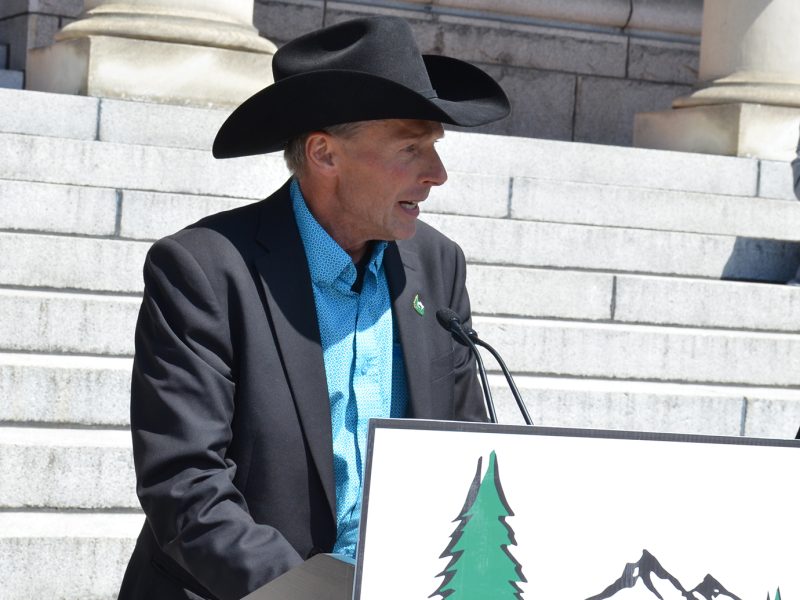
The BC Cattlemen’s Association (BCCA) has applied for intervenor status in the Pender Harbour and Area Residents Association (PHARA) challenge of BC’s Declaration on the Rights of Indigenous Peoples Act (DRIPA).
“The uncertainty that DRIPA has caused is a concern for all of our members,” says BCCA president Werner Stump. “But I would say that it is also a concern for all British Columbians.”
PHARA filed the civil claim in BC Supreme Court on February 9, seeking a constitutional challenge of DRIPA and for the court to declare the legislation of no force and effect.
BCCA announced its application for intervenor status on May 6.
PHARA is seeking declarations that DRIPA is unconstitutional because it is “inconsistent with Section 35 of the Constitution Act of 1982” as it does not balance Indigenous and non-Indigenous interests and “intrudes into matters under Canada’s exclusive authority” rather than limiting itself to matters within provincial jurisdiction.
PHARA also alleges that DRIPA is “a violation of democratic rights protected by Section 3 of the Charter, on the basis that DRIPA allows for agreements that transfer governance authority to bodies that are not accountable to the electorate.”
This is not a challenge of Indigenous rights or reconciliation, says Stump.
“BC Cattlemen’s Association supports fair and transparent reconciliation processes that strengthen relationships over the long term,” he says. “This is about exploring whether the province has made a mistake in delegating decision-making responsibility and not balancing non-Indigenous interests.”
All content on this website is copyrighted, and cannot be republished or reproduced without permission.







 Storage crop levy approved