
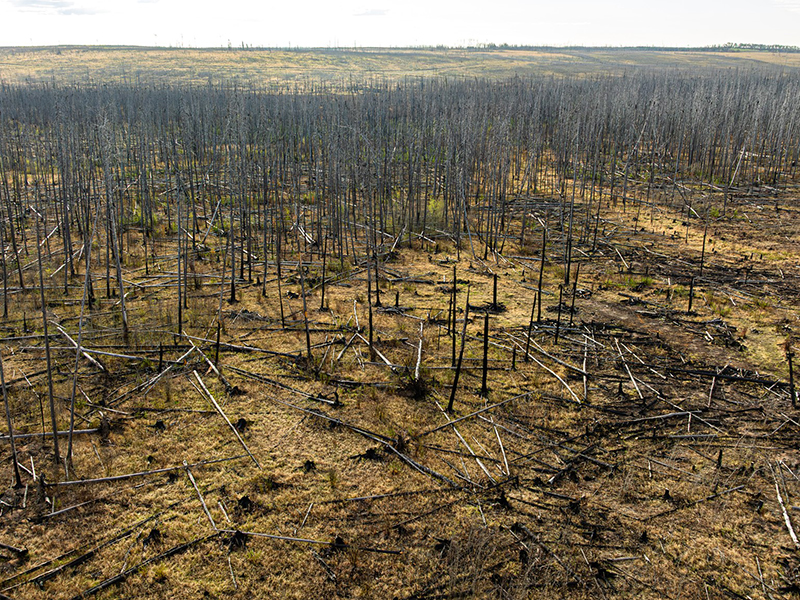
Temperatures across southern BC are set to soar this weekend, just in time for Emergency Preparedness Week (May 3-9), a national initiative led by Public Safety Canada.
In a memo to producers, Agriculture and Agri-Food Canada (AAFC) Emergency Management urged all agriculture sector stakeholders “to strengthen their readiness for emergencies.”
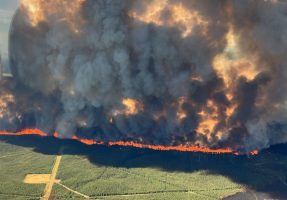
While early forecasts suggest a relatively quiet early start to the wildfire season, AAFC believes a good possibility exists for “above-average fire activity” by mid-summer.
With significant drought recorded in the Okanagan, and half the agricultural landscape experiencing some level of drought, the BC Wildfire Service (BCWS) anticipates an active spring wildfire season.
“This activity is expected to increase if limited precipitation continues over the next several weeks and months,” it said April 16.
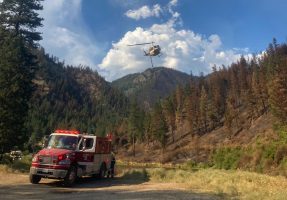
BCWS has invested $14 million in equipment and infrastructure to bolster fire-fighting capacity for the season ahead.
“Through year-round positions, expanded technology and investments in new equipment, the BC Wildfire Service is ready for whatever may come this wildfire season,” reads a statement from BC Forests minister Ravi Parmar.
There were 20 active wildfires in BC as of April 24, out of 101 total this season. Close to 95% of fires were human-caused, according to the province, with 1,595 hectares burned.
More than half the area burned was in the Kamloops Fire Centre, which includes the Okanagan, with the Cariboo in second place. Together, the two accounted for 86% of all acreage burned this year, underscoring the risk of dry weather and low moisture as another wildfire season begins.
Initial drought ratings for the season will be released next week.
All content on this website is copyrighted, and cannot be republished or reproduced without permission.




 Sun-Rype moves concern growers