• Menu
  • Skip to primary navigation
  • Skip to main content
  • Skip to primary sidebar

Country Life In BC Logo

The agricultural news source in British Columbia since 1915

  • Headlines
  • Calendar
  • Subscribe
  • Advertise
  • About
  • Archives
  • Contact
  • Search
  • Headlines
  • Calendar
  • Subscribe
  • Advertise
  • About
  • Archives
  • Contact
  • Search

Primary Sidebar

Current Issue:

JANUARY 2026
Vol. 112 Issue 1

Subscribe Now!

Sign up for free weekly FARM NEWS UPDATES

Select list(s) to subscribe to


By submitting this form, you are consenting to receive marketing emails from: Country Life in BC. You can revoke your consent to receive emails at any time by using the SafeUnsubscribe® link, found at the bottom of every email. Emails are serviced by Constant Contact
Your information will not be
shared or sold ever

Follow us on Facebook

Comments Box SVG iconsUsed for the like, share, comment, and reaction icons

10 hours ago

BC's minimum piece rates for 15 hand-harvested crops increased 2.6% on December 31. Crops include peaches, apricots, brussels sprouts, daffodils, mushrooms, apples, beans, blueberries, cherries, grapes, pears, peas, prune plums, raspberries and strawberries. Farm-worker piece rates in BC were increased by 11.5% in January 2019 and 6.9% in December 2024. BC’s current minimum wage sits at $17.85 per hour.

#BCAg
... See MoreSee Less

BCs minimum piece rates for 15 hand-harvested crops increased 2.6% on December 31. Crops include peaches, apricots, brussels sprouts, daffodils, mushrooms, apples, beans, blueberries, cherries, grapes, pears, peas, prune plums, raspberries and strawberries. Farm-worker piece rates in BC were increased by 11.5% in January 2019 and 6.9% in December 2024. BC’s current minimum wage sits at $17.85 per hour. 

#BCAg
View Comments
  • Likes: 6
  • Shares: 0
  • Comments: 2

Comment on Facebook

I'm not sure what they're telling us. Did peace rates have to increase so that Farm workers could make minimum wage?

They deserve it, but the general public will be whining about increased prices in the stores. Will need to make more information average to the g.p.

2 days ago

... See MoreSee Less

View Comments
  • Likes: 9
  • Shares: 0
  • Comments: 0

Comment on Facebook

1 week ago

... See MoreSee Less

View Comments
  • Likes: 7
  • Shares: 0
  • Comments: 0

Comment on Facebook

3 weeks ago

Water volumes from the Nooksack River are at levels similar to 1990 and 2021, but the province says flows should peak at 10pm tonight. The shorter duration, as well as conditions in other watercourses within the watershed and performance of flood protection infrastructure should avoid a catastrophe on the scale of 2021. However, several landslides mean road closures have once again effectively isolated the Lower Mainland from the rest of the province.

#BCag
... See MoreSee Less

Water volumes from the Nooksack River are at levels similar to 1990 and 2021, but the province says flows should peak at 10pm tonight. The shorter duration, as well as conditions in other watercourses within the watershed and performance of flood protection infrastructure should avoid a catastrophe on the scale of 2021. However, several landslides mean road closures have once again effectively isolated the Lower Mainland from the rest of the province.

#BCAg
View Comments
  • Likes: 9
  • Shares: 3
  • Comments: 1

Comment on Facebook

Family living in Sumas WA say it's very much like '21. They have the same amount of water in their house as last time.

1 month ago

... See MoreSee Less

View Comments
  • Likes: 4
  • Shares: 0
  • Comments: 0

Comment on Facebook

Subscribe | Advertise

The agricultural news source in British Columbia since 1915
  • Email
  • Facebook

Organic matter regulations delayed

June 3, 2020 byPeter Mitham

Chalk up delays in the province’s revision of the Organic Matter Recycling Regulation to COVID-19.

“We were anticipating regulatory updates to occur in fall 2020. However, at this point we are expecting this to be delayed due to COVID-19,” the BC Ministry of Environment and Climate Change Strategy told Country Life in BC this week.

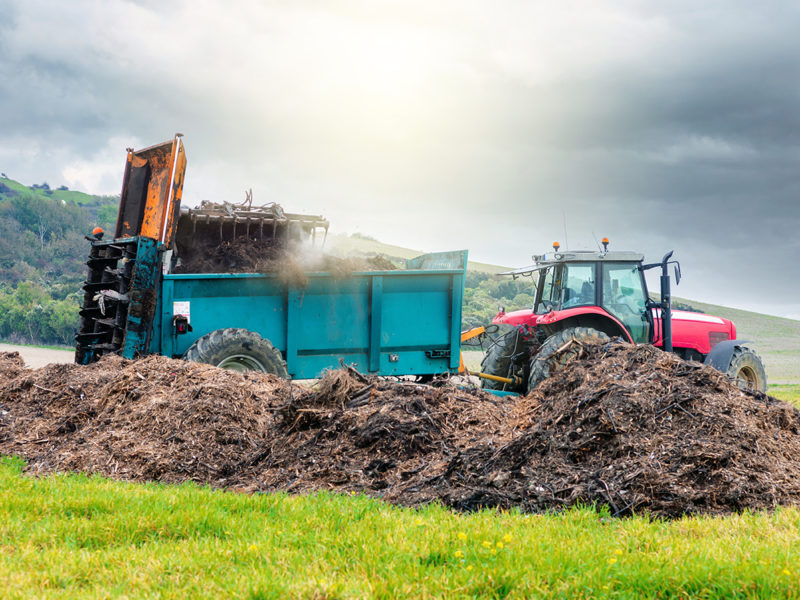
The regulation is significant because of its role in managing composting activities and the application of biosolids. Originally promulgated in 2002, the regulation addresses “the recycling of organic material while protecting human health and the environment.” Two intentions papers, one in September 2016 and another in September 2018, have been issued for discussion with a view to updating the regulation “based on the best and most current science.”

Proposed policies include increased public transparency and information sharing, including specific requirements with respect to notifying and engaging with First Nations and local governments.

The report on the most recent consultation recommended steps to reduce the risk of introducing invasive weeds via compost and the development of communications materials for ranchers and farmers considering applying biosolids. Biosolids were a hot topic in the consultation, frequently featuring as something that shouldn’t be applied at all.

Clarification was requested on whether substrate from cannabis facilities could be composted and whether or not the Agricultural Land Commission regulations had a bearing on the regulation.

A spokesperson with the environment ministry says that most feedback supported the proposed changes, however, and will shape the new regulation.

Related Posts

You may be interested in these posts from the same category.

Feeling the heat on water

Pushback on plastics recycling

Building soil structure with organic compost

No right to roam

Round bales

BC farms reduce plastic

Biosolids project halted following harassment

Previous Post: « 4-H sales adapt amid COVID-19 restrictions
Next Post: Raspberry traits assigned values »

Copyright © 2026 Country Life in BC · All Rights Reserved