• Menu
  • Skip to primary navigation
  • Skip to main content
  • Skip to primary sidebar

Country Life In BC Logo

The agricultural news source in British Columbia since 1915

  • Headlines
  • Calendar
  • Subscribe
  • Advertise
  • About
  • Archives
  • Contact
  • Search
  • Headlines
  • Calendar
  • Subscribe
  • Advertise
  • About
  • Archives
  • Contact
  • Search

Primary Sidebar

Current Issue:

DECEMBER 2025
Vol. 111 Issue 11

Subscribe Now!

Sign up for free weekly FARM NEWS UPDATES

Select list(s) to subscribe to


By submitting this form, you are consenting to receive marketing emails from: Country Life in BC. You can revoke your consent to receive emails at any time by using the SafeUnsubscribe® link, found at the bottom of every email. Emails are serviced by Constant Contact
Your information will not be
shared or sold ever

Follow us on Facebook

Comments Box SVG iconsUsed for the like, share, comment, and reaction icons

3 days ago

Water volumes from the Nooksack River are at levels similar to 1990 and 2021, but the province says flows should peak at 10pm tonight. The shorter duration, as well as conditions in other watercourses within the watershed and performance of flood protection infrastructure should avoid a catastrophe on the scale of 2021. However, several landslides mean road closures have once again effectively isolated the Lower Mainland from the rest of the province.

#BCAg
... See MoreSee Less

Water volumes from the Nooksack River are at levels similar to 1990 and 2021, but the province says flows should peak at 10pm tonight. The shorter duration, as well as conditions in other watercourses within the watershed and performance of flood protection infrastructure should avoid a catastrophe on the scale of 2021. However, several landslides mean road closures have once again effectively isolated the Lower Mainland from the rest of the province.

#BCAg
View Comments
  • Likes: 9
  • Shares: 3
  • Comments: 1

Comment on Facebook

Family living in Sumas WA say it's very much like '21. They have the same amount of water in their house as last time.

2 weeks ago

... See MoreSee Less

View Comments
  • Likes: 4
  • Shares: 0
  • Comments: 0

Comment on Facebook

2 weeks ago

On the last day of the BC Organic Conference, Thursday, Molly Thurston of Pearl Agricultural Consulting helped growers learn how to manage bugs such as codling moth, wireworm, and rootworm in organic growing systems. Her talk alongside Renee Prasad included hands-on activities in which participants checked out various traps and examined pests under microscopes. Be sure to look for more upcoming ag events on our online calendar at www.countrylifeinbc.com/calendar/

#BCAg
... See MoreSee Less

On the last day of the BC Organic Conference, Thursday, Molly Thurston of Pearl Agricultural Consulting helped growers learn how to manage bugs such as codling moth, wireworm, and rootworm in organic growing systems. Her talk alongside Renee Prasad included hands-on activities in which participants checked out various traps and examined pests under microscopes. Be sure to look for more upcoming ag events on our online calendar at www.countrylifeinbc.com/calendar/

#BCAg
View Comments
  • Likes: 15
  • Shares: 0
  • Comments: 0

Comment on Facebook

2 weeks ago

Well-known organic farmer and podcaster Jordan Marr gets interviewed by Country Life in BC’s own columnist and potato mavin Anna Helmer during the opening session of the BC Organic Conference at Harrison Hot Springs yesterday. Sessions run today (Wednesday) and Thursday and include organic and regenerative growing practices and expanding and advocating for the organic sector, all under the background of the newly launched Organic BC banner.

#BCAg
... See MoreSee Less

Well-known organic farmer and podcaster Jordan Marr gets interviewed by Country Life in BC’s own columnist and potato mavin Anna Helmer during the opening session of the BC Organic Conference at Harrison Hot Springs yesterday. Sessions run today (Wednesday) and Thursday and include organic and regenerative growing practices and expanding and advocating for the organic sector, all under the background of the newly launched Organic BC banner.

#BCAg
View Comments
  • Likes: 37
  • Shares: 2
  • Comments: 1

Comment on Facebook

Interested in finding out more about this

1 month ago

Today, we remember those who sacrificed their lives or their well-being for our freedom. Lest we forget. ... See MoreSee Less

Today, we remember those who sacrificed their lives or their well-being for our freedom. Lest we forget.
View Comments
  • Likes: 8
  • Shares: 0
  • Comments: 0

Comment on Facebook

Subscribe | Advertise

The agricultural news source in British Columbia since 1915
  • Email
  • Facebook

Province prepares for a dry spell

April 10, 2019 byPeter Mitham

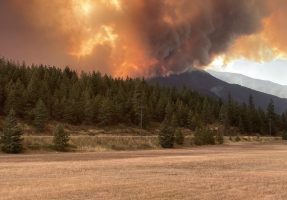
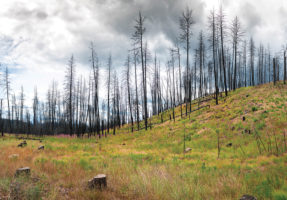
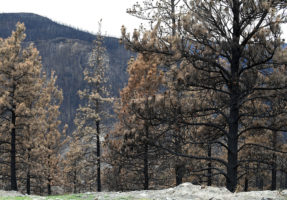
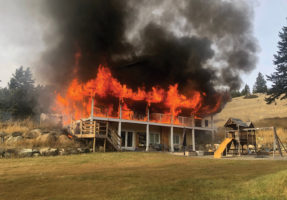
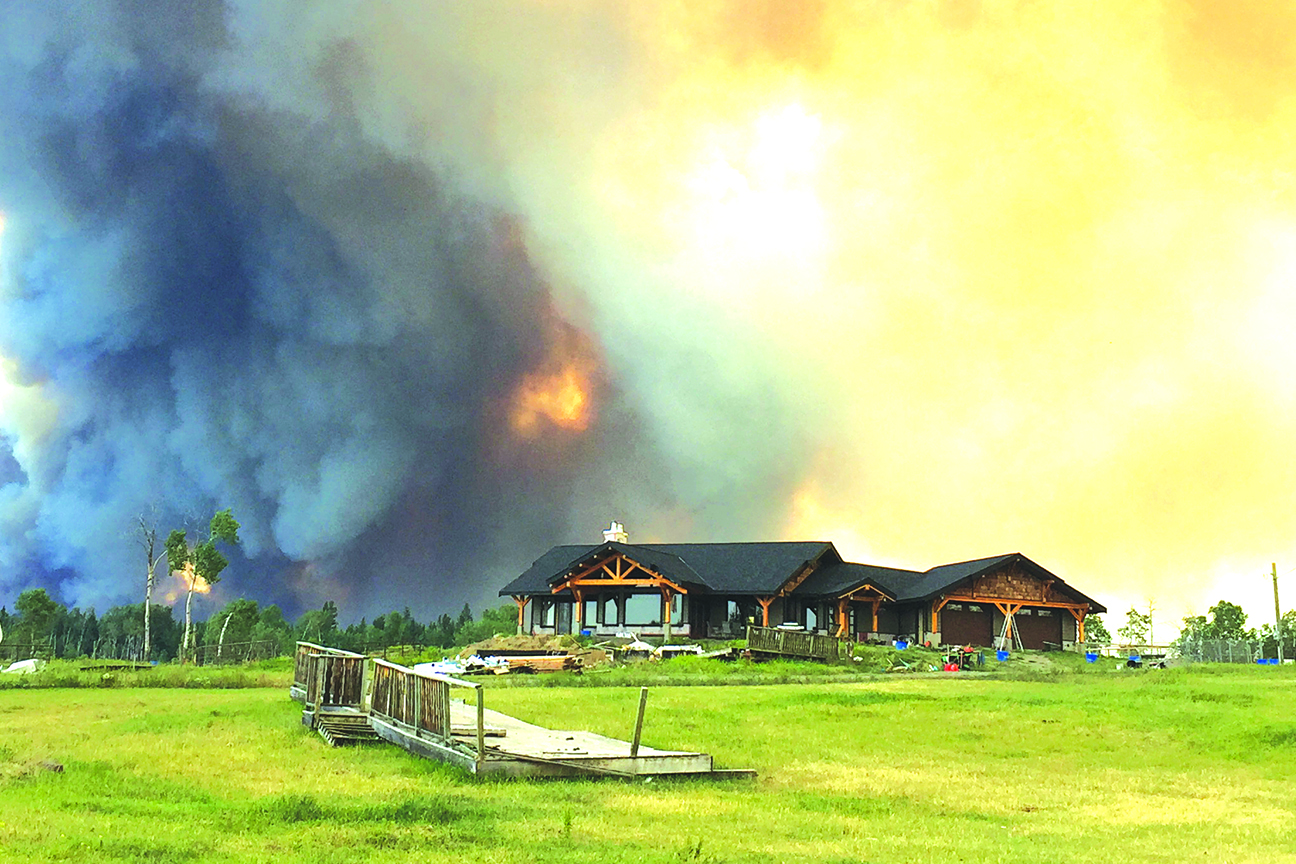
An early start to the wildfire season and low snowpack led to fire restrictions in the Cariboo this week, as the province tries to prevent a third straight year of record wildfires.

“Category 3 open fires will be prohibited throughout the Cariboo Fire Centre,” the province announced April 9. The ban takes effect at noon on April 15 and runs through September 27.

Category 3 fires include grass fires greater than a half-acre and the burning of windrows as well as other large blazes. Campfires whose height and width don’t exceed a half-metre are permitted.

The restrictions follow the discovery of several fires in the closing days of March and early April. The largest, at 170 acres, is in the Squamish Valley, while this week has brought blazes in Kleena Kleene, Juniper Beach and Chetwynd. Yesterday, spot fires were reported on Vancouver Island and in the Peace.

The province boosted spending on wildfire management to $101 million last month, and has also been engaged in outreach across the province with a view to making communities FireSmart. But much depends on weather conditions – moisture levels, the amount of dry vegetation and debris, and storm systems that can spark fires.

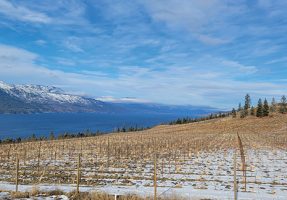
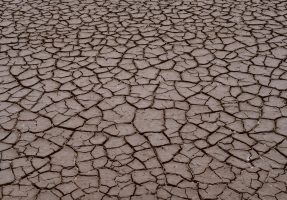
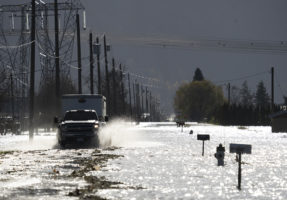
The province’s latest water supply bulletin reports a snowpack below normal in many basins, especially those serving growers in the Stikine and Northwest as well as most southern parts of the province. An exceptionally dry March may mean low risk of flooding but a greater risk of dry conditions this summer.

“The snowmelt component of seasonal runoff for Vancouver Island, South Coast, and Lower Fraser is below normal and may lead to low flow issues in the summer,” the province reports.

Growers in the Fraser Valley, for example, told Country Life in BC this week that the Fraser River was the lowest they’ve seen in years. The same could said for local canals, suggesting implementation of water restrictions could come into play earlier this year than last.

[CHERYL MONICAL FILE PHOTO]
Related Posts

You may be interested in these posts from the same category.

Cattle

Regions selected for livestock tax deferral

A dry season continues

Wildfires rip through Southern Interior

Snowpack sends mixed signals

Senate flood report released

Dry fall, wet winter ahead

Wildfire threat remains high

Drought fears washed away

Ranchers facing rangeland losses

Ranchers face rangeland losses

Wildfire 2021: ‘They keep locals in the dark. That is really problematic.’

Don’t blame the wildfires

Previous Post: «Bee Colony losses have beekeepers on edge
Next Post: Young Agrarians goes solo »

Copyright © 2025 Country Life in BC · All Rights Reserved