• Menu
  • Skip to primary navigation
  • Skip to main content
  • Skip to primary sidebar

Country Life In BC Logo

The agricultural news source in British Columbia since 1915

  • Headlines
  • Calendar
  • Subscribe
  • Advertise
  • About
  • Archives
  • Contact
  • Search
  • Headlines
  • Calendar
  • Subscribe
  • Advertise
  • About
  • Archives
  • Contact
  • Search

Primary Sidebar

Originally published:

MAY 2022
Vol. 108 Issue 5

Subscribe Now!

Sign up for free weekly FARM NEWS UPDATES

Select list(s) to subscribe to


By submitting this form, you are consenting to receive marketing emails from: Country Life in BC. You can revoke your consent to receive emails at any time by using the SafeUnsubscribe® link, found at the bottom of every email. Emails are serviced by Constant Contact
Your information will not be
shared or sold ever

Stories In This Edition

Greening up

On red alert

Ag show pivots to in person

Four options floated for flood mitigation

Sidebar: Four options; a lot at stake

Editorial: An enviable position

Back 40: A quarter century of gratitude and appreciation

Op Ed: Will food security be rooted in soil or software?

Province doubles vet school seats with funding

Ag council caps a year of changes, challenges

Thank you

Ag Briefs: Court offers no relief for mink farmers

Ag Briefs: Grape crop short and sweet

Ag Briefs: Gala winners

Vegetable sales remain strong

Vertical farms face regulation

Dahr steps down as AgSafe BC chair

Packers protest apple marketing commission

Egg farmers urged to register for compensation

Third round of replant money for raspberries

Raspberry prices show promise

Apiarists fear heavy winter losses

Sidebar: Genome BC partners with IAF to deliver new program

Strawberry levy to increase

Welcome back!

Thinking twice about digital marketing

Sidebar: Digital tips for farm marketers

Ranchers facing rangeland losses

Strong demand but uncertain feed outlook for beef

Farm News: The kids are alright

Blueberries need more than honeybees

Forum highlights made-in-BC ag innovation

Double-checking

Big data poses challenges and opportunities

Tiptoeing through the tulips

Business planning turns risks into opportunities

Three-fold growth marks hazelnut sector’s recovery

OrganicBC undertakes structural review

Growth surges in specialty mushrooms

Sidebar: Mushroome xports take top spot

Chilliwack plowing match marks its centennial

Woodshed: Kenneth’s encounter with nature goes sideways

Research: Research shows lack of data on butter hardness

Jude’s: Brunch for special people

More Headlines

Follow us on Facebook

Comments Box SVG iconsUsed for the like, share, comment, and reaction icons

2 weeks ago

The Canadian Food Inspection Agency is preparing to implement changes to its livestock traceability rules that will include mandatory computer reporting within seven days on movement of animals for veterinary appointments, community pastures, exhibitions, carcass and on-farm disposal and the births and deaths of every animal on your farm. Writer Tom Walker first brought these changes to the attention of our readers back in June 2023. We've posted his story to our website:

www.countrylifeinbc.com/cfia-proposes-traceability-updat#BCAg#BCag
... See MoreSee Less

The Canadian Food Inspection Agency is preparing to implement changes to its livestock traceability rules that will include mandatory computer reporting within seven days on movement of animals for veterinary appointments, community pastures, exhibitions, carcass and on-farm disposal and the births and deaths of every animal on your farm. Writer Tom Walker first brought these changes to the attention of our readers back in June 2023. Weve posted his story to our website: 

https://www.countrylifeinbc.com/cfia-proposes-traceability-updates/

#BCag
View Comments
  • Likes: 11
  • Shares: 21
  • Comments: 15

Comment on Facebook

I love hpw the cow in the picture hasn't even got a RFID tag in it but I digress. We can not read the link, it says "we are not permitted to read drafts". Please post again with the correct link.

Dairy farmers having been doing this several years. The app we use has become quite simple to use

Including equine?

Premise ID was slowly rolled through the country, voluntary then mandatory. Transparency and 'Consultation' has been light. Those who tried to bring this for discussion a couple years ago, because of forseen overreach, were quite often labeled conspiracy theorists and that it wasnt meant to be so heavily regulated and controlled. Gardens and seeds will be next. "Invasive species" reporting, check out the plants medicinal properties. Read the BC intentions papers. The premise ID that already heavy regulated commodities have claims to be treated different in the intentions papers on page 8. www2.gov.bc.ca/assets/gov/farming-natural-resources-and-industry/agriculture-and-seafood/food-saf...

Says i am "not allowed to preview draft".

Also concerning is the part on compliance...they can 'stumble onto' any farm and if you're not complying there are consequences.

When the CFIA stumbles into the wrong place compliance will be met with civil engagement

Says I can't preview draft

This is government overreach - Do Not Comply!

Do not comply

Fu

As if the price of beef isn't bad enough for consumers,,,,,be prepared to be gouged some more now

Ridiculous!!

Let's hold up on the beef exports tell we can get our own house in order... we need to deregulated, cheapen up the supply chain back into a 5 buck a pound rage so the good people canada can eat healthy food.. fuck your bean diets, that's retarded

This, along with the majority of new legislation pertaining to any type of farm, is a blatant squeeze on any sort of small, alternative agricultural venture. I am a massive believer in working together and sharing resources and costs and solutions - do not get me wrong - but this and the water registration among others, is an overreach (at most generous) and an absolute killer to smaller, local initiatives that LITERALLY save lives during extreme events. There is ONE ROAD into and out of my community. We don’t need or want some sort of backlogged government response when shit goes sideways. We want the ability AND SUPPORT to provide for our communities without penalty when things go badly. We want to produce sustainability for our communities. We live here, we work here, we want to STAY HERE. Stop making it harder.

View more comments

3 weeks ago

BC's minimum piece rates for 15 hand-harvested crops increased 2.6% on December 31. Crops include peaches, apricots, brussels sprouts, daffodils, mushrooms, apples, beans, blueberries, cherries, grapes, pears, peas, prune plums, raspberries and strawberries. Farm-worker piece rates in BC were increased by 11.5% in January 2019 and 6.9% in December 2024. BC’s current minimum wage sits at $17.85 per hour.

#BCAg
... See MoreSee Less

BCs minimum piece rates for 15 hand-harvested crops increased 2.6% on December 31. Crops include peaches, apricots, brussels sprouts, daffodils, mushrooms, apples, beans, blueberries, cherries, grapes, pears, peas, prune plums, raspberries and strawberries. Farm-worker piece rates in BC were increased by 11.5% in January 2019 and 6.9% in December 2024. BC’s current minimum wage sits at $17.85 per hour. 

#BCAg
View Comments
  • Likes: 10
  • Shares: 0
  • Comments: 2

Comment on Facebook

I'm not sure what they're telling us. Did peace rates have to increase so that Farm workers could make minimum wage?

They deserve it, but the general public will be whining about increased prices in the stores. Will need to make more information average to the g.p.

3 weeks ago

... See MoreSee Less

View Comments
  • Likes: 14
  • Shares: 0
  • Comments: 1

Comment on Facebook

105 Mile Ranch

4 weeks ago

... See MoreSee Less

View Comments
  • Likes: 7
  • Shares: 0
  • Comments: 0

Comment on Facebook

1 month ago

Water volumes from the Nooksack River are at levels similar to 1990 and 2021, but the province says flows should peak at 10pm tonight. The shorter duration, as well as conditions in other watercourses within the watershed and performance of flood protection infrastructure should avoid a catastrophe on the scale of 2021. However, several landslides mean road closures have once again effectively isolated the Lower Mainland from the rest of the province.

#BCAg
... See MoreSee Less

Water volumes from the Nooksack River are at levels similar to 1990 and 2021, but the province says flows should peak at 10pm tonight. The shorter duration, as well as conditions in other watercourses within the watershed and performance of flood protection infrastructure should avoid a catastrophe on the scale of 2021. However, several landslides mean road closures have once again effectively isolated the Lower Mainland from the rest of the province.

#BCAg
View Comments
  • Likes: 9
  • Shares: 3
  • Comments: 1

Comment on Facebook

Family living in Sumas WA say it's very much like '21. They have the same amount of water in their house as last time.

Subscribe | Advertise

The agricultural news source in British Columbia since 1915
  • Email
  • Facebook

Ranchers facing rangeland losses

Crown land significantly impacted by wildfires

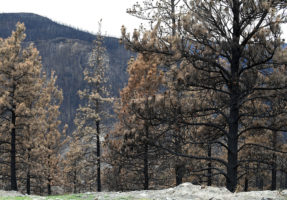
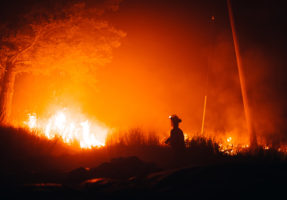
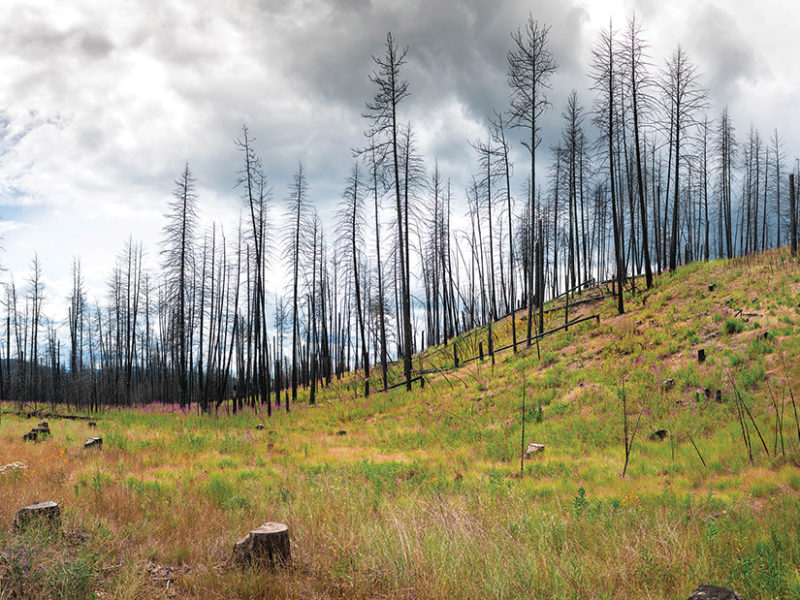
Fire can benefit soils but it still takes time to recover, something BC ranchers with Crown range don’t have as they struggle to place cows this year. FILE

May 1, 2022 byKate Ayers

WESTWOLD – Ranchers in areas hit hard by last year’s heat dome, wildfires and drought shouldn’t count on rushing out on their rangeland this summer, cautions a professional agrologist.

Chris Wellman, a fence contractor and former range agrologist with the Vernon Forest District, says many herds may need to stick close to home this season pending an assessment of range conditions. “The problem with this whole thing about grazing now is that all the Ministry [of Forests] infrastructure has been taken out – all the pasture boundaries, the fencing, the water developments – [they] have been compromised because of the fires,” he says. “As far as getting cattle into these areas, it’s virtually impossible. You could do electric fencing, but the terrain doesn’t lend itself to that.”

Fires can benefit soils by returning nutrients and reducing future fire loads. However, they also leave soils susceptible to erosion.

“The soil has no structure at this time. It needs snow-press, it needs a year or two to establish and really get structure back in the soil,” says Wellman.

Pasture conditions depend on the severity of the wildfires in each area. The province may require that some ranchers take acreage out of their grazing rotations to allow the land to recover.

“I would think that you would be very lucky in these heavily impacted areas if there’s any grazing at all,” says Wellman.

Westwold rancher Russell Clemitson considers himself lucky to have grazing options. Even though 85% of his range was touched by wildfire last year, he will be allowed to turn out cattle, albeit a bit later than normal.

“They did a fire intensity analysis on it, and they said around 30% was blacked out. So, severely burnt and the soil is burnt and everything,” says Clemitson. “And then around 40% was moderately burnt and the rest of it was lightly burnt.”

As it stands, he has just enough feed for his 350 cows until the beginning of June, which is when he would typically put his herd on grass.

“Between the drought and flooding last fall, there is no feed available in BC to purchase. And if it is, it’s so overpriced that you can’t afford to buy it now,” he says.

Fortunately, after meetings with the BC Ministry of Forests and local First Nations, his cattle will be able to return to Crown lands further into June.

“Usually, they don’t let you go back for anywhere between one to four years.  They don’t like to see cattle back on these ranges [after fires],” says Clemitson. “I tried to explain to them that without summer range, five generations of ranching come to an end. … We don’t have any options.”

On one of his ranges, cattle can return at full stock with stringent management practices and he will delay turnout by up to two weeks.

“My other range also has a deferred turnout day to the middle of June rather than the beginning of the month, providing the grass is ready,” he says. To promote rangeland recovery, Clemitson will reduce his stocking rate to 60% of normal. “So, I still need to find a home for some cattle but I’m going to take 60% over 0%,” he says.

Ministry help

The impacts of reduced grazing options aren’t lost on ministry staff. Wellman says they have been doing everything they can to accommodate ranchers through the winter and know a difficult season lies ahead.

“[They’re] trying to find them programs, help them with hay or find other pastures that are vacant or other Crown tenures that are vacant. They are scrambling. It’s chaos,” he says. “It’s a really horrible situation that we’re put in. The Ministry of Forests is absolutely sweating every night trying to figure out how they’re going to help these guys. Those people are run ragged right now.”

In Clemitson’s case, the ministry is using electric fence units to keep cattle away from the blacked-out areas and off highways.

“We solely rely on the Crown ranges to keep our operations alive. I’m thankful that they’re letting us go back out there right afterwards. We are very thankful for the understanding and cooperation,” says Clemitson.

Wellman fears for large ranches that are short on feed and depend on grazing leases to feed their herds. If they can’t access their leases, that will effectively shut them off from natural feed and force them to buy forage. Some may choose to sell.

“Being put in this type of position – I wouldn’t want to be in their place,” says Wellman, who grew up on a ranch and knows the business first-hand. “It’s crazy. Some of these guys run substantial numbers. How are they going to feed these animals during the summer? Hopefully it rains all summer long or we’re going to be in trouble.”

At Lazy L Ranch in Merritt, the Lytton fire jumped the highway and affected the backside of one of the operation’s range units. The fire damage was minimal, but ranch co-owner Haley Rutherford is more concerned about drought for the upcoming season.

“We’ve already had to open up a couple little ponds that were dammed up to get some water flowing down the ditches to water stock,” she says. “Usually, we take some seasonal custom grazing cattle and we’re probably not going to do that this year.”

Rutherford and her family run 400 cows on over 3,000 deeded acres.

“The regular lack of water and drought is going to hurt us more than the fires did,” she says. And Rutherford is not convinced the province will accommodate upcoming water needs for livestock producers. For her to create off-site year-round watering, the government will require that she reallocate irrigation water to livestock watering and acquire alternate-use registration on their water licence.

“I don’t think they’re going to give anyone more water than what they’ve already got. There is no drought-proofing from that perspective,” says Rutherford.
Related Posts

You may be interested in these posts from the same category.

Wildfires rip through Southern Interior

Wildfire threat remains high

Ranchers face rangeland losses

Wildfire 2021: ‘They keep locals in the dark. That is really problematic.’

Don’t blame the wildfires

Wildfire state of emergency ends

Province announces wildfire recovery funds

Province pledges emergency funding

Record temps kill poultry

Wildfires spark emergency declaration

Livestock producers count losses

BC considers making premises ID mandatory

Previous Post: « BC agriculture shrinks
Next Post: Ruckle Farm managers honoured »

Copyright © 2026 Country Life in BC · All Rights Reserved