• Menu
  • Skip to primary navigation
  • Skip to main content
  • Skip to primary sidebar

Country Life In BC Logo

The agricultural news source in British Columbia since 1915

  • Headlines
  • Calendar
  • Subscribe
  • Advertise
  • About
  • Archives
  • Contact
  • Search
  • Headlines
  • Calendar
  • Subscribe
  • Advertise
  • About
  • Archives
  • Contact
  • Search

Primary Sidebar

Originally published:

August 2017
Vol. 103 Issue 8

Subscribe Now!

Sign up for free weekly FARM NEWS UPDATES

Loading form…

Your information will not be
shared or sold ever

Stories In This Edition

Out of harms way: photo

Wildfires put hundreds of ranchers at risk

Popham appointed ag minister

LIFO a hindrance, supply managed groups say

Dream job

Editorial: Trial by Fire

Back Forty: Future of farming – without the farmer

OpEd: Annual fairs celebrate hard work, diversity of farmers

Ranchers first line of defense against wildfires

Photo: Too close for comfort

Wildfire destroys Ashcroft dairy, feedlot

Weather delivers a lighter berry crop

BC turkey allocations fall as consumption lags

Photo: Fan club

Kelowna ag plan looks to strengthen farming

Ag brief: Ag council announces new executive members

Ag Brief: Rollover claims farmer

Ag Brief: Scholarship winner announced

Ag Brief: FCC steps up

Letter: Protect farmland

Village Farms sets to roll with cannibis

Photo: Matsqui retirement

Surprise audits part of tighter food safety regimes

NAFTA on block

Demand for ranchland drives BC property sales

Photo: Strike

Island farmers grapple with armyworm infestation

Berryhill opens new Chilliwack processing plant

Alfalfa winterkill puts chill on Nechako Valley exports

Sidebar: Feed, pasture in short supply

Tractor parade honours well-loved

Cowichan farmer

Partnership creates forage possiblities

Sidebar: How did it work

Cover crop trials aim to throw new

seeds into mix

Research: Is bigger always better

Salmon a cash cow for BC fish farmers

Sidebar: Would you rather be a fish?

Kwantlen gives governments food system options

KPU field lab grows opportunities for students, public

Summerland location of choice for innovation centre

Soft landing

Impacts of farming under stress often hidden

Hedgerows offer native plants for native bugs

Sidebar: Cultivating pollinators

BC sheep producers take honours at national competition

Fair Season

Stock show

Wannabe – when fire rages

Alpacas find a haven in the North Okanagan

Woodshed: Henderson’s mishap no laughing matter

Dairy farm breakfasts welcome public

Dilly-icious dishes

More Headlines

Follow us on Facebook

Comments Box SVG iconsUsed for the like, share, comment, and reaction icons

6 days ago

A BC Forest Practices Board investigation has found overgrazing has damaged grasslands in the Coutlee Range Unit near Merritt — and the range-use plan meant to prevent it was unenforceable. With complaints about overgrazing on the rise and grasslands covering just 1% of BC's land mass, the findings raise fresh questions about how the province manages one of its most vulnerable — and valuable — food-producing ecosyste#BCAg#BCAg ... See MoreSee Less

Link thumbnail

Board finds overgrazing rules unenforceable unmeasurable

www.countrylifeinbc.com

MERRITT – A BC Forest Practices Board investigation has found instances of non-compliance related to overgrazing have damaged open grasslands in the Mine pasture, part of the Coutlee Range Unit near...
View Comments
  • Likes: 6
  • Shares: 6
  • Comments: 6

Comment on Facebook

Several ranchers in recent years have gone into temporary non use on that range , so that means the grass should grow. But drought conditions/lack of rain and snow don’t allow that to happen . Dried up springs , creeks waterholes in various pastures add to over grazing where there is water , as livestock and everything else stay close to the water source . So even though less cattle are on it , over grazing appears. There is a large volume of horses on it 365 days/year which is wrong ! They pull grass right out of the ground when it’s just trying to grow ,, opens the door for weeds to grow in. That don’t help it. Aging infrastructure ( fences) laying on the ground, pipe line building , ( lack of commitment to fence maintenance) amongst all users contributes also to over grazing. Recreational atv users leaving gates open between pastures allows livestock to go back or ahead in pastures also expidites over grazing. Logging ( bcts) has no problem laying out cut locks on both sides of a fence , then it gets smashed down during logging and they don’t take responsibility to stand it back up or clean the cattle gaurds out when they are done , that happened 4 years ago on pasture 5 up there . I bet it is still not fixed . There are lots of contributing factors to the problem.

Tragedy of the commons.

I looked through the report. I saw nothing about the effects of noxious weeds on productive grasslands. This particular area is vulnerable because of the Ministry’a efforts to diversify the use of the Grasslands.

This pasture is under tremendous pressure not only from cattle but from irresponsible local residents who treat it as a landfill dumping all manner of household debris here. And don't even get me started on the mud bogging and camping in sensitive riparian areas. The feral horses are in this pasture 365 days a year just hammering it. Would sure be nice to see some enforcement action on people who are intentionally ripping up the grasslands and riparian areas. Cattle could be a valuable resource for rebuilding soils and native grasses in this area with the help of electric fencing and/or e-collars. The humans will be harder to manage.

The Forest and Range Practices Act was written by lawyers for global forest licencee shareholders. Results-based = unenforceable.

Also, can we talk about the impact of a pipeline being built through the middle of this field for multiple years?

View more comments

1 week ago

East Kootenay rancher Randy Reay is digging a new well after two natural water sources dried up on his Crown tenures. A new Living Lakes Canada assessment found 15% of mapped aquifers in the region are high-priority for monitoring, yet 80% of those go unmonitored. With over 48% of BC's provincial observation wells reporting below-normal groundwater levels, ranchers and researchers are sounding the alarm on water security. The story is in our March edition, and we've posted it to our website thi#BCAgk.

#BCAg
... See MoreSee Less

Link thumbnail

Water woes: groundwater under pressure across BC

www.countrylifeinbc.com

JAFFRAY – As a young boy growing up in the Kootenay-Boundary region, Randy Reay never expected to run out of water. But this year, in mid-February, his fields are bare. There is no snow halfway up t...
View Comments
  • Likes: 8
  • Shares: 7
  • Comments: 1

Comment on Facebook

Jaffrey is in the east Kootenays not kooteney boundary

2 weeks ago

BC farmers are bracing for prolonged higher input costs as war in the Middle East drives up fuel and fertilizer prices. Nitrogen fertilizer costs were already climbing before the Iran conflict began, with prices still roughly 60% above pre-pandemic levels. Farm Credit Canada warns that unlike 2022, strong commodity prices may not offset rising costs this time. Local suppliers expect supply challenges and further price increases ahead.

#BCAg
... See MoreSee Less

Link thumbnail

Fertilizer prices on the rise

www.countrylifeinbc.com

War in the Middle East has delivered a generational shock to energy prices, meaning BC farmers can expect a prolonged period of higher costs not just for fuel but also for fertilizer.
View Comments
  • Likes: 2
  • Shares: 1
  • Comments: 0

Comment on Facebook

2 weeks ago

... See MoreSee Less

View Comments
  • Likes: 1
  • Shares: 0
  • Comments: 0

Comment on Facebook

2 weeks ago

Cameron Stockdale is the new executive director of provincial farm safety organization AgSafeBC. Find out more in this week's Farm News Update from Country Life in B#BCAg#BCAg ... See MoreSee Less

Link thumbnail

New leadership at AgSafe BC

www.countrylifeinbc.com

Cameron Stockdale is the new executive director of provincial farm safety organization AgSafeBC, succeeding Wendy Bennett. Bennett left AgSafeBC in September 2025, following 12 years with the…
View Comments
  • Likes: 5
  • Shares: 1
  • Comments: 0

Comment on Facebook

Subscribe | Advertise

The agricultural news source in British Columbia since 1915
  • Email
  • Facebook

Ranchers first line of defense against wildfires

August 1, 2017 byTamara Leigh

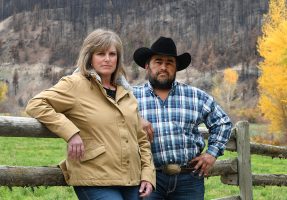
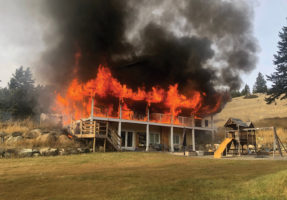
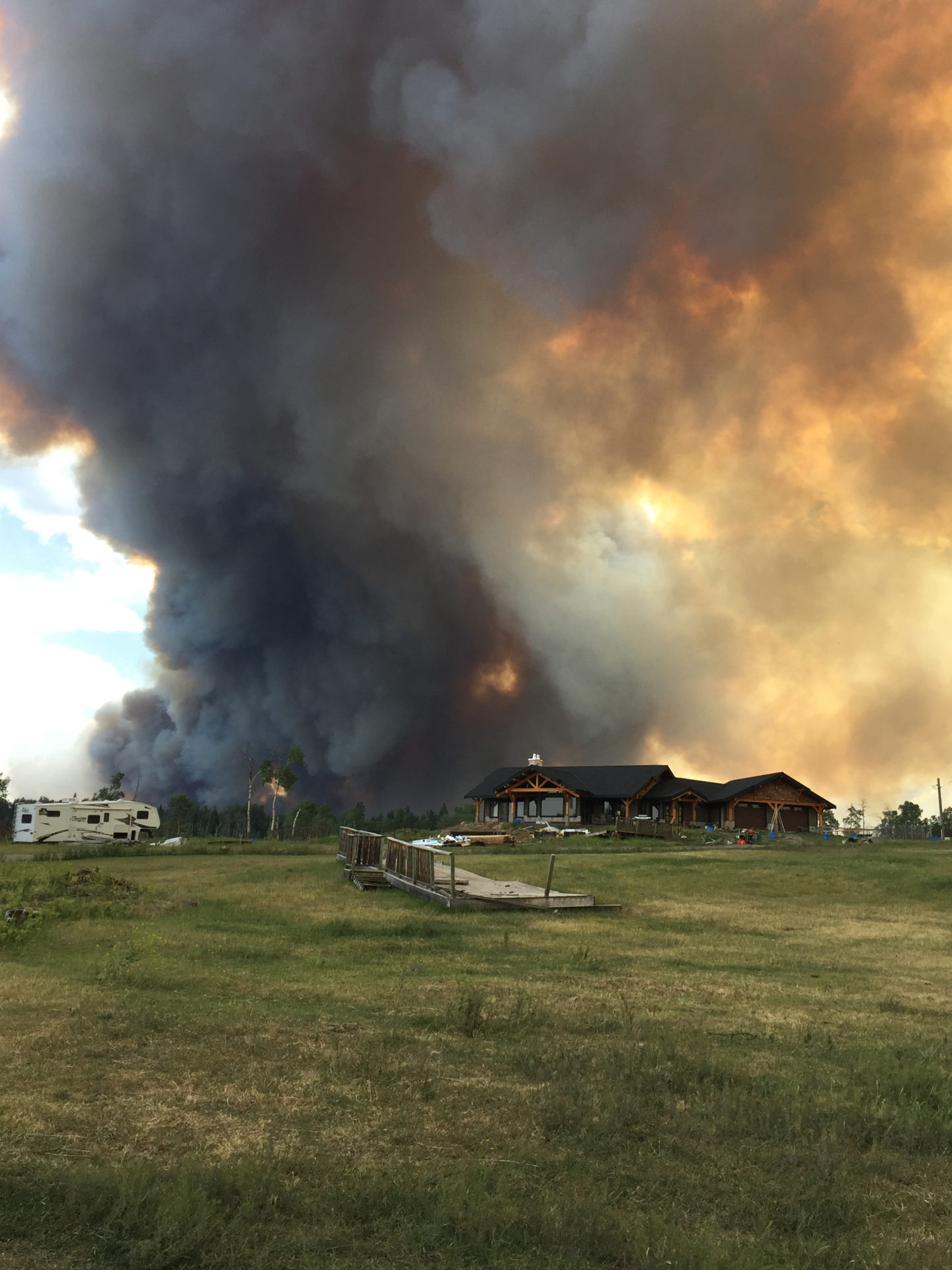
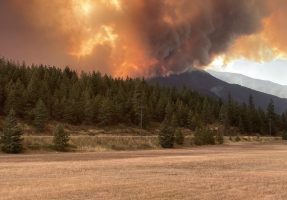
WILLIAMS LAKE – On July 6, Cheryl Monical and her husband Ed noticed smoke over the hill while moving cattle at their ranch near 105 Mile House. Twenty-four hours later, they were fighting a wildfire 200 feet from their doorstep.

“At the time the fire was coming at us, the police showed up and told us that we were under evacuation and we refused to go, so they took our vital information and who our dentist was and wished us luck,” says Monical. “It’s kind of creepy when they ask you for your dental records.”

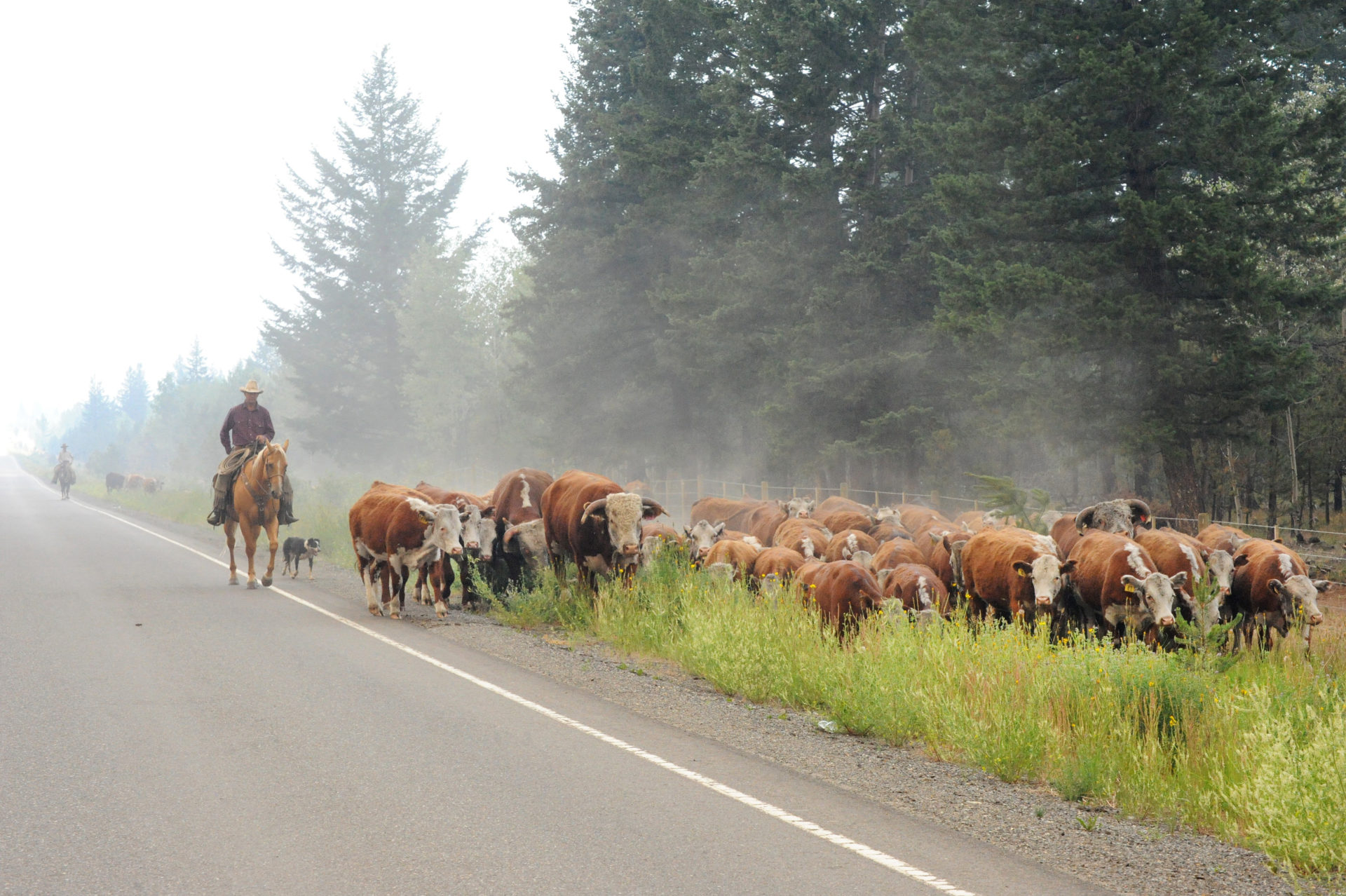
Like many ranchers this summer, the Monicals chose to stay and fight. They built fire breaks, put out spot fires, installed sprinklers on buildings and tried to keep their cattle off the roads. With the support of neighbours and friends, the family fought the fire for five days before fire crews arrived.

“Forestry crews showed up on Wednesday afternoon and the fire boss said, ‘We were wondering why there was a straight line in the fire on the north edge,’” recounts Monical. “The fire crews didn’t know we were out there. The helicopters knew we were out there because they kept dumping water for the boys when they had time.”

Communication in any emergency is key but this year more than 200 wildfires sparked within a few short days. Closing the gaps was more difficult, leaving many ranchers feeling like they’ve been fighting the authorities as much as the fires.

“People were fighting against neighbours and ranchers working together to save their part of the community,” says Monical. “If that fire got past our homemade farmer firebreak, it was going to go straight into a bunch of big fir timber and straight to Lac La Hache from there.”

Kevin Boon, general manager of the BC Cattlemen’s Association, has been working to help improve co-ordination – taking calls from ranchers in need and relaying information to the Emergency Operations Centres.

“So many times, these ranchers are the first line of defense. … These people who stay behind know the lay of the land, know how to manoeuvre through it. They’re out to help the situation,” he says. “We have to work out a better system of communication to be able to get this access for the legit person who needs to be there for a legit reason.”

BCCA would like to see more ranchers receive S-100 Basic Fire Suppression and Safety training, which the BC Wildfire Service offers. In the meantime, he’s working with officials to take the pressure off ranchers like the Monicals who have stayed to fight the ongoing fires, some of which remained uncontained at press time.

“A lot of ranchers can’t get back in if they leave, so they are in greater danger because they are running out of food and fuel. Instead of starving them out, let’s help them stay to look after things we don’t have resources for right now,” says Boon.

His words resonate with Monical.

“What really got us was on the Saturday we had four water tanks and we were beating that fire back. On Sunday, they wouldn’t allow our people to cross security lines and we were down to one tank,” she says. “We had a fellow coming in with a water tank and fuel – he got arrested and they seized the truck. It’s a total lack of good management in my mind.”

Gratitude

While frustrations run high, so does the appreciation of the tremendous effort that has gone into protecting people, property and livestock during the crisis. Wylie Bystedt farms near Kersley, south of Quesnel, and when winds whipped a lightning strike into an inferno near her ranch in only two hours, fire crews hit hard and fast.

“We were advised to leave but we didn’t. When fire happens that quickly, it doesn’t give decision-makers a lot of time in terms of organizing responses or evacuation orders,” she says. “They hit the fire really hard the first night. The second water bomber saved my house and outbuildings. If it was 30 minutes later, I wouldn’t have a house.”

Bystedt and her husband retreated to the highway at the fire’s peak but returned that night to fight spot fires and ground fires while ground crews fought further away.

Despite the speed and intensity of the fire, they didn’t lose any livestock.

“We saved them all. Well, the llamas saved themselves. They were out in the back field so we had no way of finding them or catching them,” says Bystedt. “At the time of the fire, we had no time to even think about evacuating livestock. We put sprinklers on chicken coops and animal sheds and hoped like hell that they weren’t needed.”

With the fire in her area contained, roadblocks are coming down and people are getting on with the work of rebuilding.

“This has been a really tough year for local agriculture. We had floods in the early season; now, we have fires over the summer,” says Bystedt. “We’re not going to know
Related Posts

You may be interested in these posts from the same category.

Wildfires rip through Southern Interior

Wildfire threat remains high

Ranchers facing rangeland losses

Ranchers face rangeland losses

Wildfire 2021: ‘They keep locals in the dark. That is really problematic.’

Don’t blame the wildfires

Wildfire state of emergency ends

Province announces wildfire recovery funds

Province pledges emergency funding

Record temps kill poultry

Wildfires spark emergency declaration

Livestock producers count losses

Previous Post: « Wildfires put hundreds of ranchers at risk
Next Post: Island farmers grapple with armyworm infestation »

Copyright © 2026 Country Life in BC · All Rights Reserved